
SENOTAY
Filter Bag Supplier Audit: Evidence to Request in China
Audit filter-bag suppliers through a traceable order sample, verified certificates, comparable test records and corrective-action evidence. Separate product acceptance from factory marketing claims.
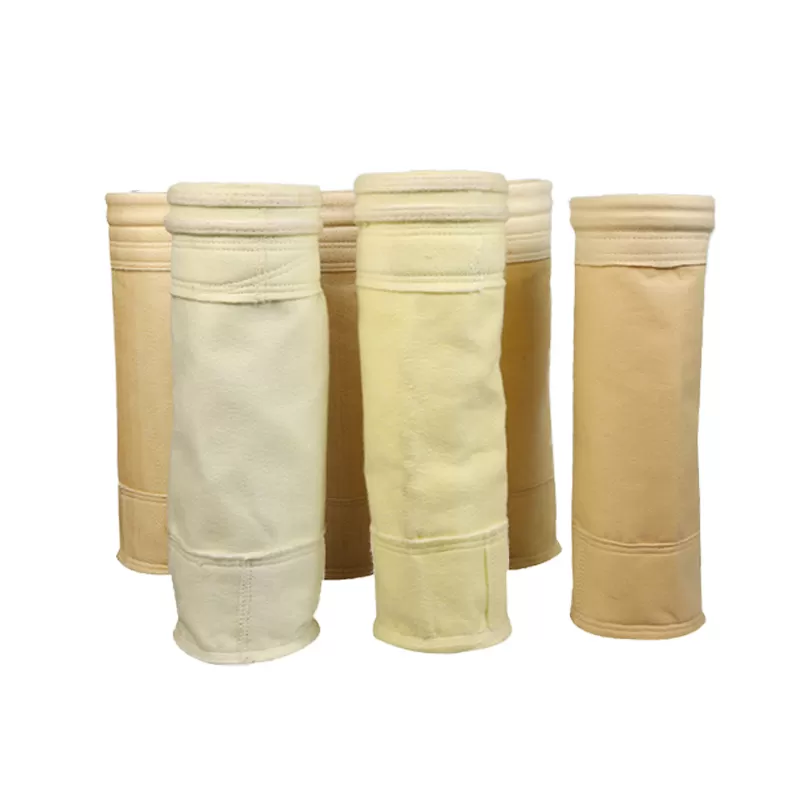
What makes a filter bag supplier audit useful?
A filter bag supplier audit should show whether a manufacturer can repeatedly deliver the approved construction and demonstrate what was supplied. Follow one representative order from drawing approval through material receipt, production, inspection and shipment. Factory photographs and certificate logos cannot provide that record trail on their own.
For buyers evaluating manufacturers in China, the same practical test applies: can the supplier connect its claims to identifiable people, processes and order-specific evidence? This guide explains how to audit a filter bag manufacturer without inventing a ranking or treating a low price as proof of poor quality.
1. Set the filter bag supplier audit scope
Start with the construction and service conditions you intend to buy. A supplier may be capable of making one bag configuration without having demonstrated another. Define the production site, legal selling entity and any outsourced steps, such as media production, membrane application or specialist testing.
Identify the documents needed before order release and those due with the shipment. Assign technical approval to someone who can evaluate the bag, sealing interface and operating conditions. Keep commercial negotiation separate from unresolved technical acceptance.
If the requirements are still incomplete, use the finished-filter-bag RFQ guide first. A supplier cannot demonstrate conformity to dimensions or construction details that have not yet been agreed.
Select a representative evidence trail
Ask to trace a recent, relevant production order or an agreed trial lot. The record should be representative of the proposed process, rather than an unrelated best-case sample. Customer names may be redacted if necessary, while dates, revisions and traceability links remain inspectable.
A remote review can use controlled document sharing and a live walkthrough. An on-site review can inspect the same trail physically. In either format, record what was actually observed, what was supplied later and what remains unverified.
2. Trace filter bags from material to shipment
Choose one finished bag or lot identifier and work backward to the released drawing and incoming material. Then work forward to the inspection record and shipping label. Missing links should become specific follow-up items rather than a vague concern about professionalism.
An order-based filter bag manufacturer evidence checklist
| Stage | Evidence to request | Question the evidence should answer |
|---|---|---|
| Order review | Approved specification, drawing revision and deviation list | Was the exact proposed build released before production? |
| Incoming media | Supplier identification, lot record and incoming acceptance result | Can the fabric in this bag be traced to the material accepted for the order? |
| Production | Work instruction, seam or assembly checks and batch identification | Were operators working to the released construction? |
| Inspection | Dated results, instruments used and release decision | Were the agreed characteristics measured and accepted? |
| Packing and dispatch | Quantity record, label format and shipment documentation | Can received cartons be linked to the approved production lot? |
Check revision and substitution control
Ask how an obsolete drawing is removed from use and who can authorize a change to fiber blend, scrim, membrane, seam thread or top assembly. Review a change example, including the approval and the affected lots. A general promise to use “equivalent material” leaves too much unresolved.
Follow the handling of rejected material. Look for identification, segregation, disposition and reinspection where relevant. If a subcontractor performs a critical step, ask how its output remains linked to the original order and how the main supplier verifies it.
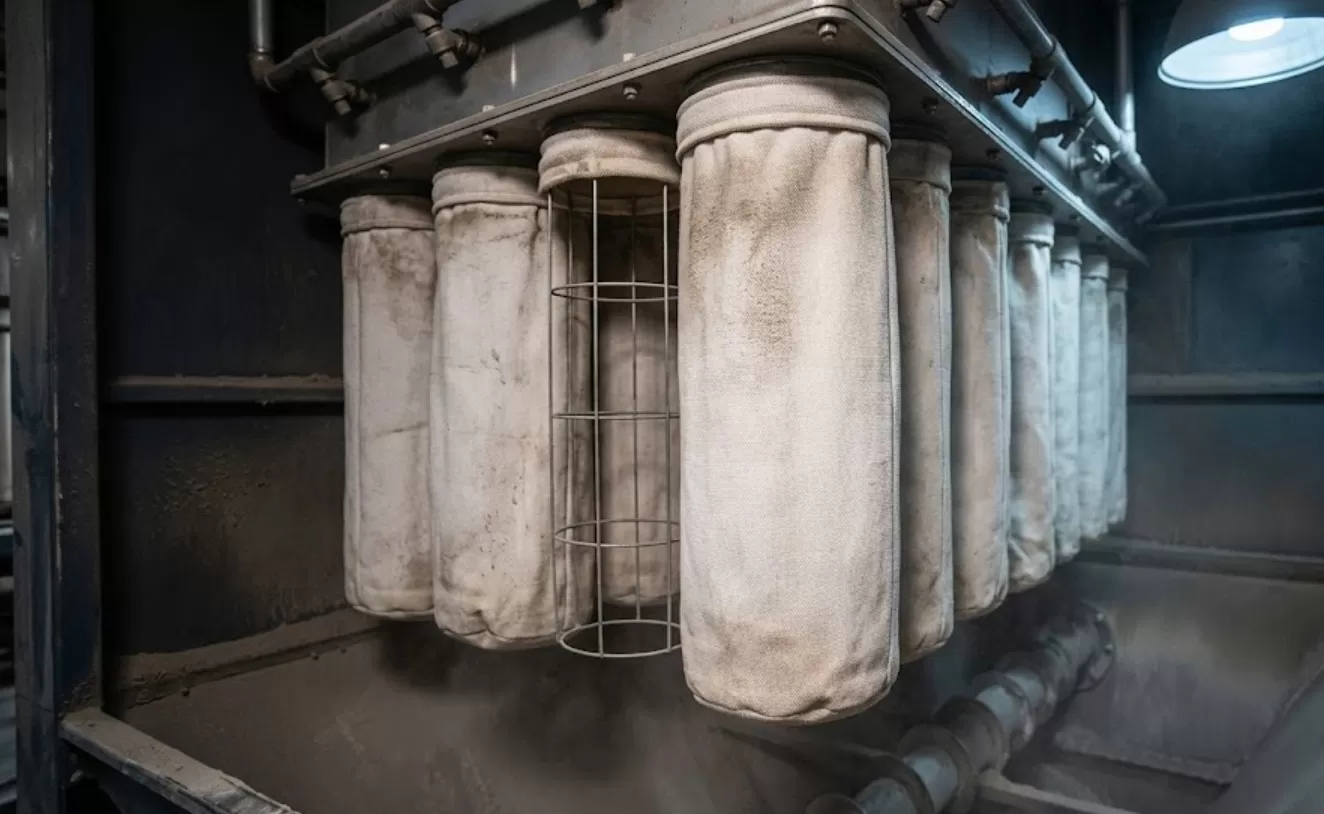
Illustration of bags and a supporting cage. The image does not establish a supplier’s production capability, bag service life or the outcome of a customer installation.
3. Review quality control records on a comparable basis
Read the test method alongside the result
A tensile-strength or permeability value is useful only with a defined test basis. Request the method and edition, specimen dimensions and orientation, conditioning, units and pressure difference where relevant. Confirm whether the specimen was raw media, finished media, a seam or a completed bag.
For aged or heat-exposed samples, record the exposure temperature, duration and atmosphere, plus how the reported change was calculated. A retained-strength percentage without those conditions cannot demonstrate suitability for a different process.
Review instrument identification and calibration or verification status appropriate to the measurement. A laboratory logo alone does not show that a particular report covers the relevant material lot or test scope. Check report identity, dates and any stated limitations.
Dimensional inspection should use the agreed measurement datums. “100% inspection” needs a list of characteristics actually checked; it does not mean every possible defect was excluded. If sampling is used, agree the plan, acceptance criteria and response to failure before production.
Compare the first article with the production release
Inspect the top seal, bottom closure, seam and cage interface against the approved drawing. Where a trial fit is part of acceptance, document the collector or fixture used. Keep a reference sample or equivalent controlled record and define how production is compared with it.
A fit check supports dimensional acceptance. It does not, by itself, establish operating emissions, chemical resistance or service life. Those claims need evidence appropriate to the full operating duty.
4. Verify certificates and safety-related claims
ISO’s supply-chain guidance distinguishes a certified quality-management system from product approval. Check the certificate’s legal entity, covered site, scope and validity against the company and process you intend to use. ISO itself does not issue suppliers’ certification.
IAF CertSearch’s verification guidance describes certificate-status checks and explains that a missing search result can have more than one cause. If a claimed certificate cannot be located, request confirmation from the issuing certification body or the database enquiry route. Do not declare it false solely because one search returned no result.
Ask what any product mark or conformity statement applies to, which document supports it and who is responsible for the claim. Avoid treating a broad “CE” statement as a universal certification of every bag construction or an emissions guarantee.
For combustible dust, the OSHA combustible-dust guidance explains the need to recognize and control the relevant hazards. It is advisory guidance, not a certificate for a filter bag. Conductive fibers, bonding provisions and component claims must be reviewed within the site’s complete dust-hazard assessment and applicable requirements.
Use Senotay’s published quality-control information as a starting point for document requests, then verify the records relevant to your order. Website descriptions should not replace the evidence trail.
5. Close findings before supplier approval
For every finding, write the requirement, observed evidence, missing information, responsible person and closure condition. Prioritize findings by their effect on fit, specified construction, traceability and safe operation. Avoid allowing a strong commercial score to conceal an unresolved critical requirement.
Request a real corrective-action example where available. Check how the cause was established, how affected goods were contained, what changed and whether effectiveness was verified. A promise to replace a defective bag does not demonstrate that recurrence was addressed.
If delivery or defect statistics influence approval, ask for the reporting period, numerator, denominator and exclusions. Distinguish orders, line items and individual bags. A percentage without those definitions cannot fairly compare suppliers, and a small sample should be identified as such.
After technical approval, compare matched offers using the filter bag quote-normalization guide. When choosing a construction from the filter bag range, retain the approved drawing and evidence requirements with the purchase specification.
Key takeaways
Audit the process that will make the bag you intend to buy.
Trace a representative order from approved drawing to shipping label.
Read test methods, conditions and specimen identity with every result.
Verify certificate scope separately from product acceptance.
Close consequential findings with evidence before releasing the order.
6. Frequently asked questions
What is the most useful filter bag manufacturer evidence?
A traceable order record connecting the approved drawing, material lot, production checks, inspection results and shipment identity. It shows whether the supplier can demonstrate conformity to the specific bag being purchased.
Does ISO 9001 certification prove filter-bag performance?
No. It concerns the supplier’s quality-management system within the certified scope. Product dimensions, construction, testing and acceptance still need to be specified and verified for the order.
Does a missing IAF CertSearch result mean a certificate is fake?
Not by itself. IAF identifies several possible reasons for a missing result. Request verification through the issuing body or the database enquiry route before drawing a conclusion.
What should I ask about 100% inspection?
Ask which characteristics are checked, by what method, against which acceptance limits, and how results are recorded. Full coverage of selected checks does not guarantee the absence of every possible defect.
Can a remote supplier audit be useful?
Yes, if it follows an identifiable order and records what was observed and verified. Use document review and a live process walkthrough as appropriate, then decide whether unresolved risks require further inspection or an on-site visit.
Request a quote
Discuss your project with SENOTAY
Send your application and equipment requirements through our contact page.