High-Voltage Ceramic Insulating Bushings
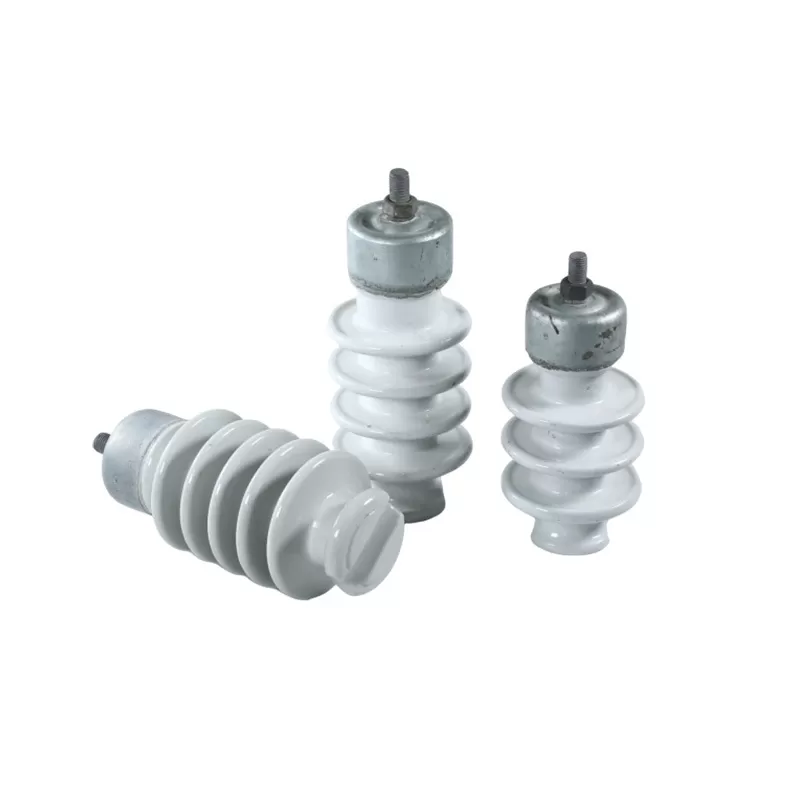
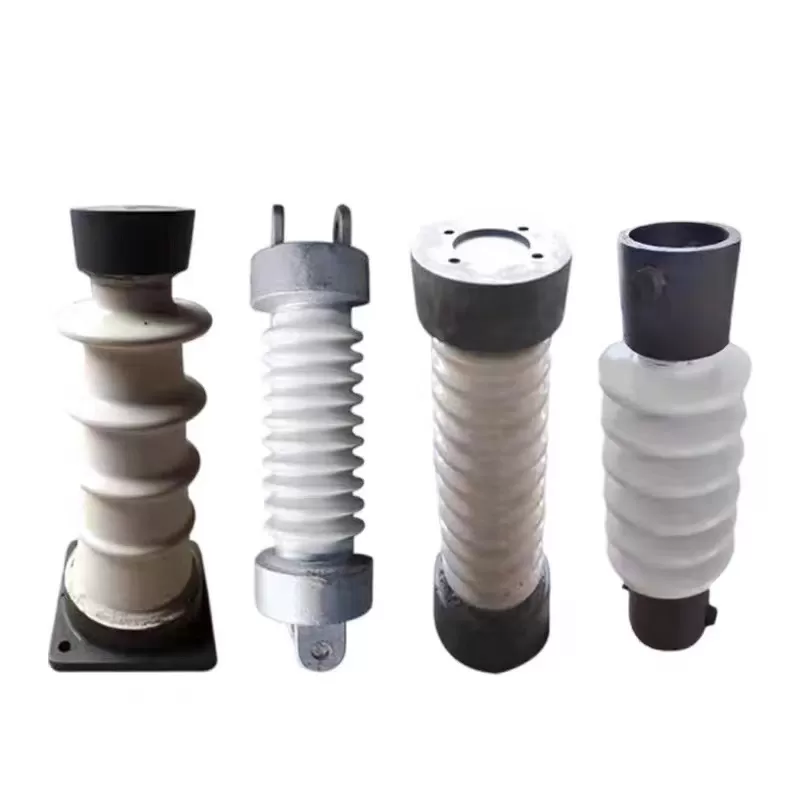
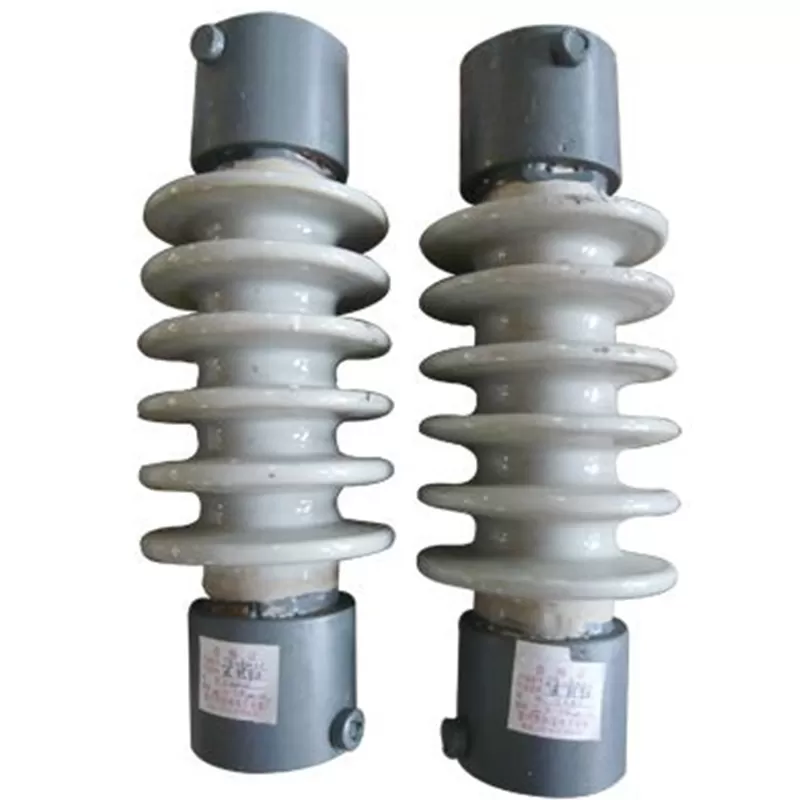
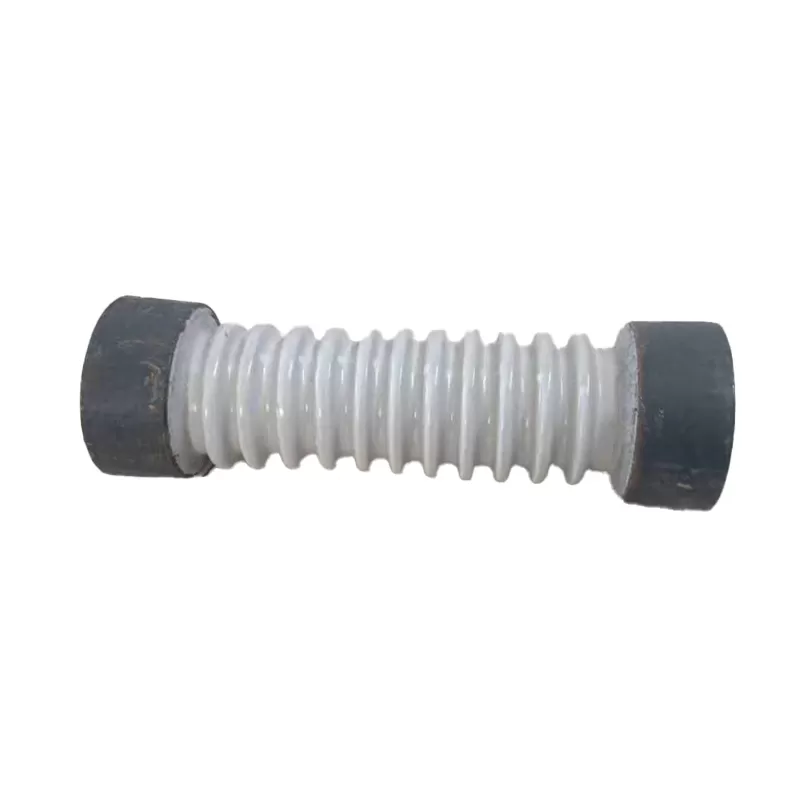
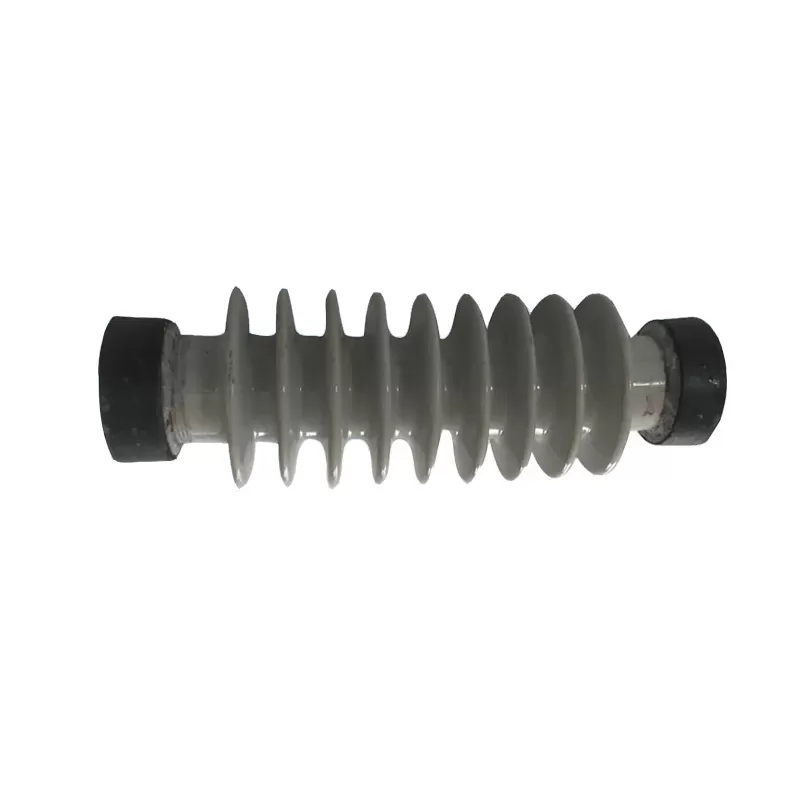
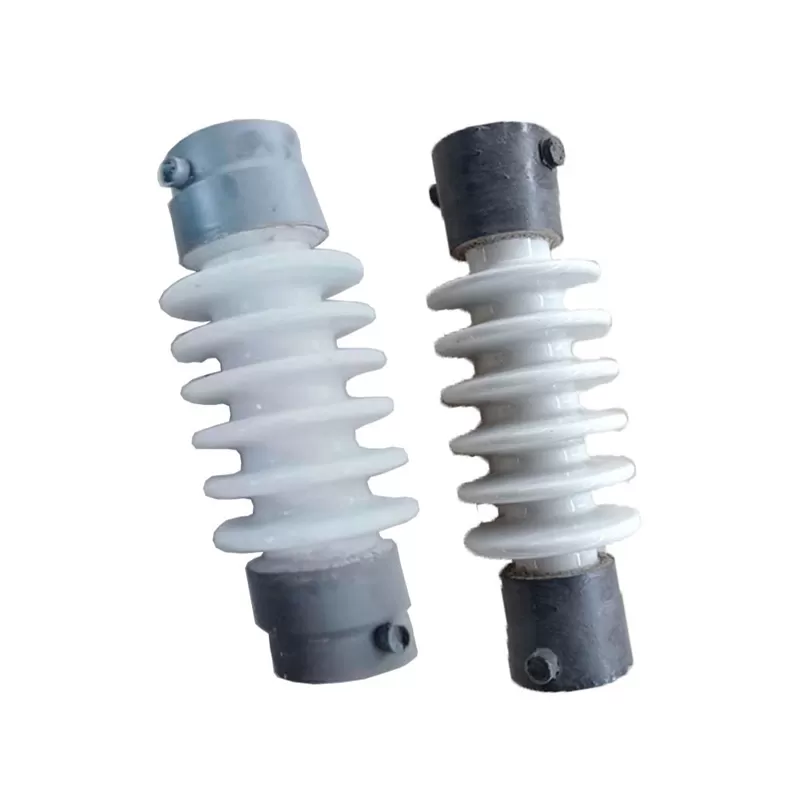
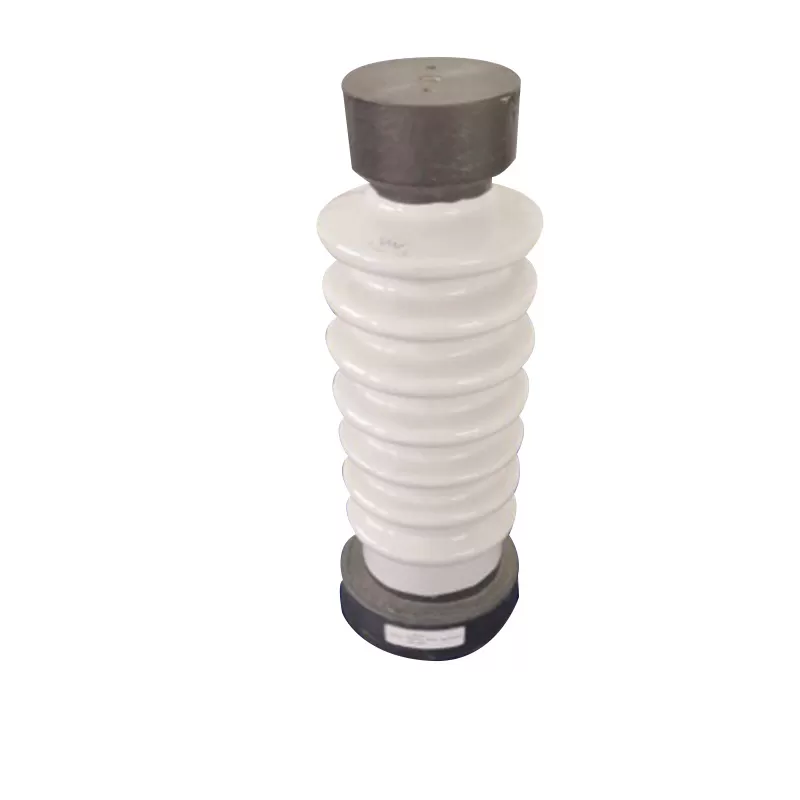
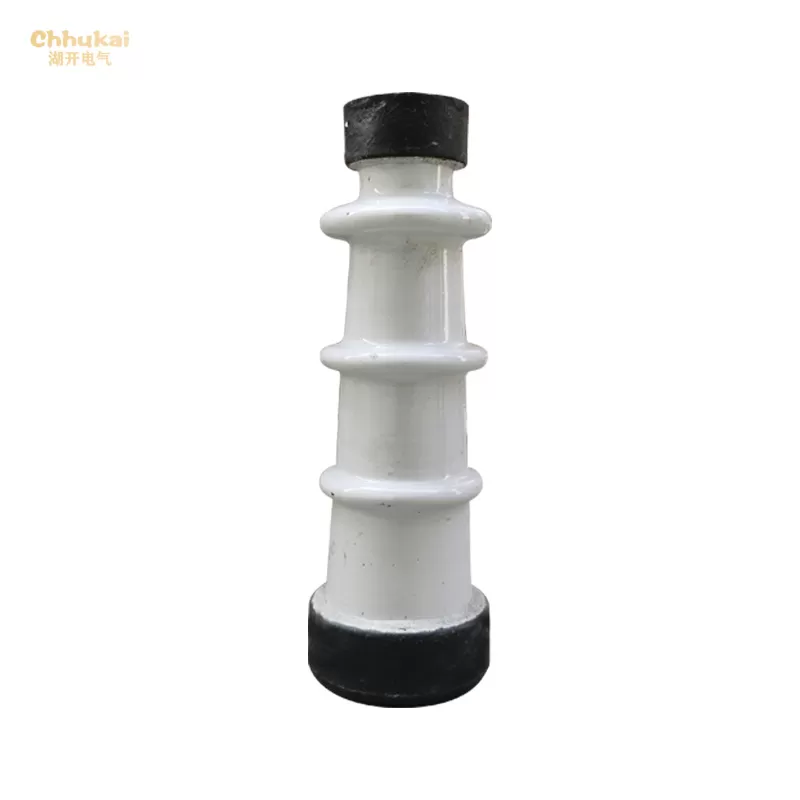
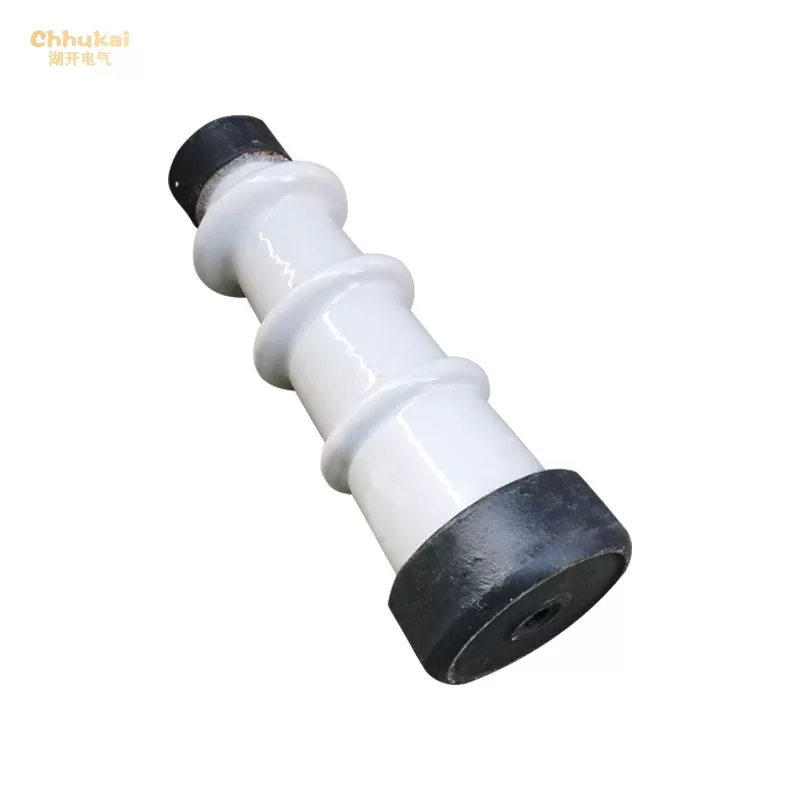
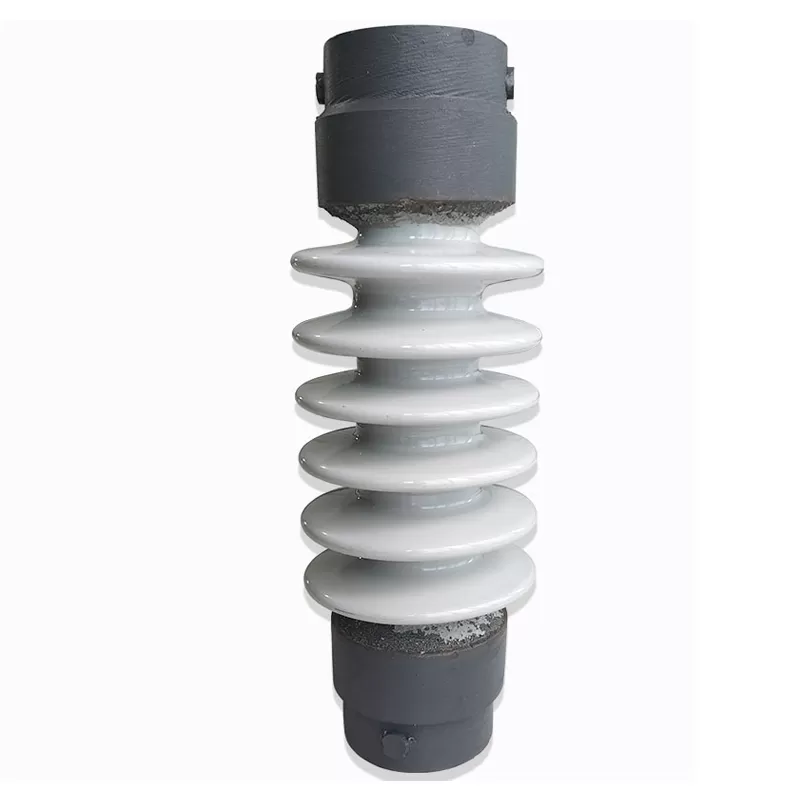
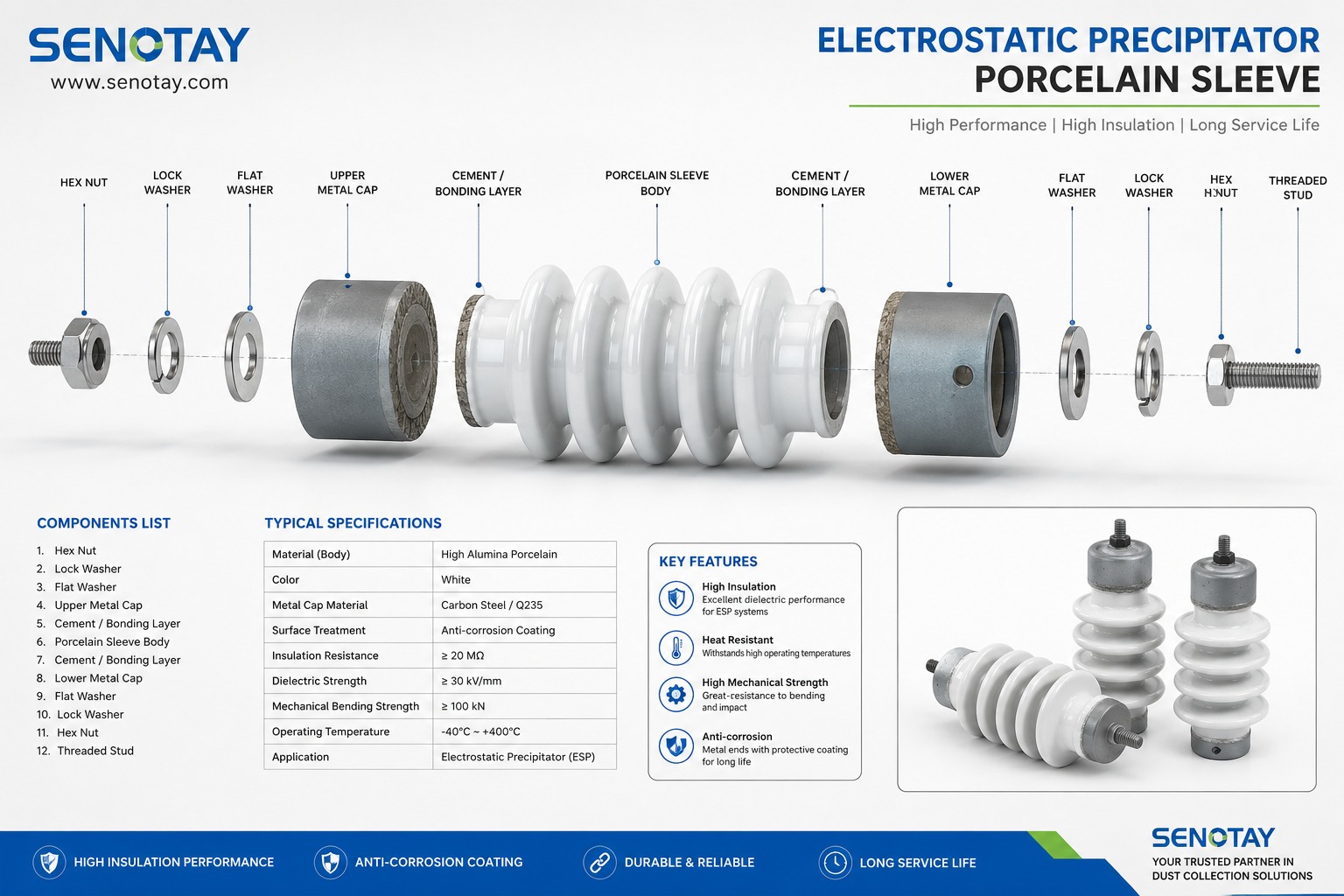
The Electrostatic Precipitator Porcelain Sleeve (or ceramic insulating bushing) is a highly specialized structural insulator designed specifically for the extreme conditions inside an ESP system. It completely isolates the high-voltage discharge frames (typically 20–70 kV) from the grounded outer casing of the precipitator. Manufactured from high-purity alumina ceramics with a specialized glazed skin, these heavy-duty sleeves block current leakage, suppress surface tracking arcs, and maintain a highly stable corona field inside harsh, ash-laden industrial emissions systems.
Featured Model Configurations
PS-03 | Alumina Composite High Voltage Rod
Material: Alumina Composite | Dielectric Strength: 22 kV/mm | Max Temp: 300°C
Engineered for high-voltage rod support, utilizing a composite structure to suppress corona discharge on the insulator surface.
Key Technical Specifications
Material Composition: Formed from a high-purity blend of 45–70% Alumina (Al₂O₃), 20–40% Silica (SiO₂), and Kaolin/Clay minerals, achieving a remarkable hardness of 7–8 on the Mohs scale.
Mechanical Strength: Exhibits immense structural rigidity to support heavy ESP internals, with a compressive strength of ≥ 1000 MPa and excellent impact resistance.
Electrical & Environmental Limits: Delivers a massive insulation resistance of > 10¹² Ω and a water absorption rate of < 0.1%. This ensures long-term dielectric stability, preventing creepage discharge even in highly humid, fluctuating flue gas environments.
Why Leading Plants Choose SENOTAY
Factory-Direct Pricing. Certified Quality. Dedicated Support.
Best Price Guarantee
Certified & Compliant
Fast, Reliable Delivery
Critical Problem-Solving Features
Anti-Flashover Glaze: The ultra-smooth, high-density exterior prevents conductive fly ash from bonding to the surface, eliminating the electrical tracking paths that cause field short-circuits.
Vibration Resistance: Cold-isostatic pressing creates a dense ceramic microstructure that absorbs continuous kinetic shocks from internal rapping hammers without cracking.
Technical Support & Component Matching
Our engineering team provides immediate assistance for thermal expansion clearance calculations and anti-condensation heater settings. We also maintain factory stock of all companion hardware—including custom sealing gaskets, support rods, cathode wires, and collecting plates—for rapid, single-source procurement.
Optimized for high-capacity air filtration and environmental equipment installations worldwide.
Which One is Best — Polymer Insulators or Porcelain Insulators?
While both polymer and porcelain insulators have their applications, porcelain insulators remain the preferred choice for ESP systems due to their unmatched mechanical robustness, electrical insulation, and temperature resistance.
Property | Porcelain Insulators | Polymer Insulators |
Electrical Insulation | Excellent | Good |
Mechanical Strength | Very High | Moderate |
Temperature Resistance | Up to 300°C | Up to 150°C |
Aging Resistance | Excellent (decades of stability) | Limited lifespan |
Surface Pollution Resistance | High | Moderate |
Maintenance | Low | Medium |
Cost | Medium | High (for high-voltage models) |
Note:For Electrostatic Precipitator systems, porcelain insulators are the better choice because they offer superior high-voltage performance, durability, and cost efficiency in the long run.
Types of Electrostatic Precipitator Porcelain Sleeve
Type No. | Outer Diameter (mm) | Inner Diameter (mm) | Length (mm) | Dielectric Strength (kV/mm) | Max Temp (°C) | Material Grade | Application |
PS-01 | 45 | 25 | 200 | 18 | 250 | High Alumina Ceramic | ESP Support Shaft |
PS-02 | 50 | 28 | 220 | 20 | 280 | Porcelain (Al₂O₃ 60%) | Insulator Base |
PS-03 | 55 | 30 | 250 | 22 | 300 | Alumina Composite | High Voltage Rod |
PS-04 | 60 | 35 | 230 | 19 | 270 | Kaolin Porcelain | Rapping System |
PS-05 | 70 | 40 | 300 | 21 | 280 | Electrical Ceramic | Collector Plate Mount |
PS-06 | 80 | 45 | 320 | 25 | 300 | High-Tensile Porcelain | Shaft Anti-Leakage |
PS-07 | 75 | 38 | 280 | 23 | 260 | Glazed Porcelain | Dust Discharge Line |
PS-08 | 65 | 33 | 240 | 20 | 290 | Alumina Porcelain | Discharge Electrode |
PS-09 | 85 | 50 | 350 | 25 | 310 | Reinforced Ceramic | High Torque Shaft |
PS-10 | Custom | Custom | Custom | ≥20 | 250–320 | OEM Designs | Multi-industry ESPs |
Comprehensive Technical Table — ESP Porcelain Sleeves
No. | Sleeve Type | Dielectric Strength (kV/mm) | Max Operating Voltage (kV) | Max Operating Temp (°C) | Thermal Shock Cycles (ΔT = 250 °C) | Compressive Strength (MPa) | Bending Strength (MPa) | Water Absorption (%) | Density (g/cm³) |
1 | Standard Glazed Porcelain | 9 – 11 | 30 – 40 | 400 | 15 | 350 | 90 | 0.20 | 2.35 |
2 | Mullite Porcelain | 12 – 14 | 45 – 55 | 950 | 40 | 420 | 110 | 0.10 | 2.60 |
3 | High-Alumina Porcelain (75 %) | 15 – 17 | 60 – 70 | 1100 | 45 | 500 | 130 | 0.05 | 3.10 |
4 | Steatite Ceramic | 10 – 12 | 35 – 45 | 600 | 20 | 380 | 100 | 0.15 | 2.70 |
5 | Long-Rod Extended Sleeve | 11 – 13 | 50 – 65 | 700 | 25 | 400 | 95 | 0.12 | 2.55 |
6 | Flanged / Sealed Porcelain | 10 – 12 | 45 – 60 | 800 | 30 | 390 | 105 | 0.10 | 2.50 |
7 | Threaded Mount Porcelain | 12 – 13 | 50 – 60 | 700 | 35 | 410 | 115 | 0.08 | 2.65 |
8 | Anti-Corona Glazed Sleeve | 14 – 16 | 55 – 65 | 750 | 30 | 430 | 125 | 0.06 | 2.85 |
9 | Cooling-Finned Porcelain | 13 – 14 | 50 – 70 | 900 | 35 | 440 | 120 | 0.09 | 2.80 |
10 | Reinforced Composite Porcelain | 16 – 18 | 65 – 75 | 1000 | 50 | 520 | 140 | 0.04 | 3.20 |
Physical and Mechanical Properties
· Bending Strength: ≥ 90 MPa
· Compressive Strength: ≥ 1000 MPa
· Impact Resistance: Excellent
· Insulation Resistance: > 10¹² Ω
· Thermal Shock Resistance: Can withstand up to 200°C temperature change without cracking
· Hardness: 7–8 Mohs scale
Material Properties of Electrostatic Precipitator Porcelain Sleeve
Manufactured from high-alumina ceramic material, our porcelain sleeves are designed to offer outstanding dielectric properties and high mechanical resistance.
Common Material Composition:
Material Highlights:
High-voltage resistance (>20 kV/mm).
Water absorption rate<0.1%.
Hardness exceeding Mohs 8.
Excellent anti-aging, anti-pollution, and thermal resistance performance.
Main Features of Electrostatic Precipitator Porcelain Sleeve
Excellent dielectric strength for dependable voltage insulation.
High mechanical torque capacity to withstand vibration and rapping.
Long-term durability in high-temperature and dusty environments.
Non-conductive surface preventing creepage discharge.
Custom dimensions and configurations available.
Smooth, glazed surface for enhanced cleanliness and minimal dust accumulation.
Low water absorption and high temperature endurance up to 300°C
▪ Dust Filter Bag
▪ Polyester Filter Bag | FMS Filter Bag | Basalt Filter Bag | Nomex Filter Bag |
PTFE Filter Bag | Acrylic Filter Bag | Fiberglass Filter Bag | P84 Filter Bag | PPS Filter Bag
▪ Dust Collector Bag Cage
▪ Dust Collector Bag Cage | Galvanized Bag Cage | Silicone Bag Cage | Trapezoidal Bag Cage | Envelope Bag Cage | Cage Venturi Tube
▪ Dust filter element
▪ Air Filter Element | Top-mounted Dust Filter Element | Oblique-insert Dust Filter Element |
Lifting Dust Filter Element | Six-Ear Quick-release Dust Filter Element | Threaded Dust Filter Element | Flange Dust Filter Element
▪ Electromagnetic pulse valve
▪ DMF-Z Right Angle Solenoid Pulse Valve | DMF-Y Submerged Electromagnetic Pulse Valve
▪ Industrial Electric Precipitation Accessories
▪ Cathode Wire | Dust Collecting Plate | Vibrating Hammer | Bearing In Dust | Electrostatic Precipitator Porcelain Sleeve
Why Choose Senotay’s Electrostatic Precipitator Porcelain Sleeve?
· 25+ Years of ESP-Specific Ceramic Expertise
· In-House R&D Lab with high-voltage testing up to 150 kV
· ISO 9001:2015 & IATF 16949 Certified production
· OEM-Compatible with major ESP brands (GE, Hitachi, Babcock & Wilcox, Lurgi, FLSmidth, etc.)
· Global Export Compliance—RoHS, REACH, and CE-ready documentation
· Fast Lead Times: Standard models ship in 7–10 days; custom designs in 3–4 weeks