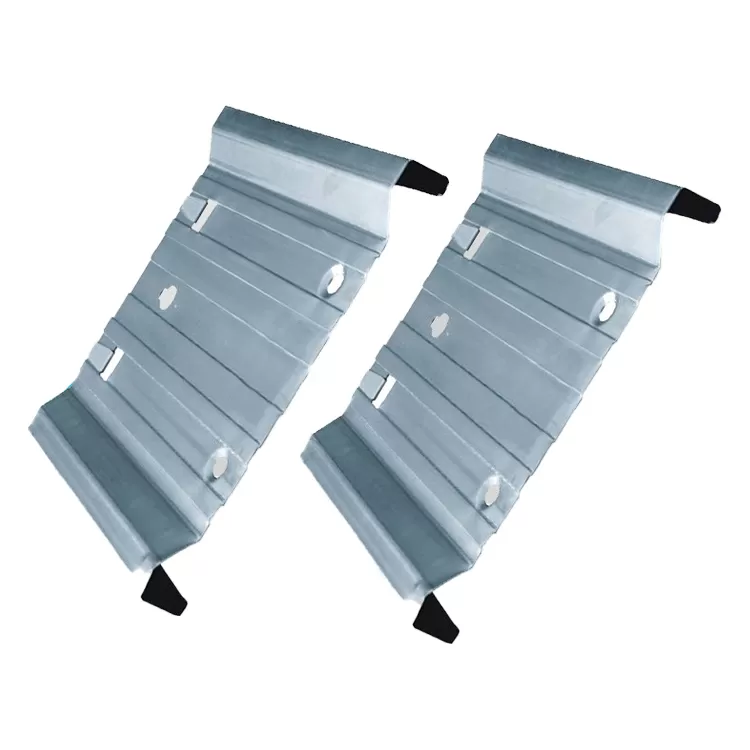
Zero-Bypass Particulate Capture: SENOTAY Dust Collecting Plate
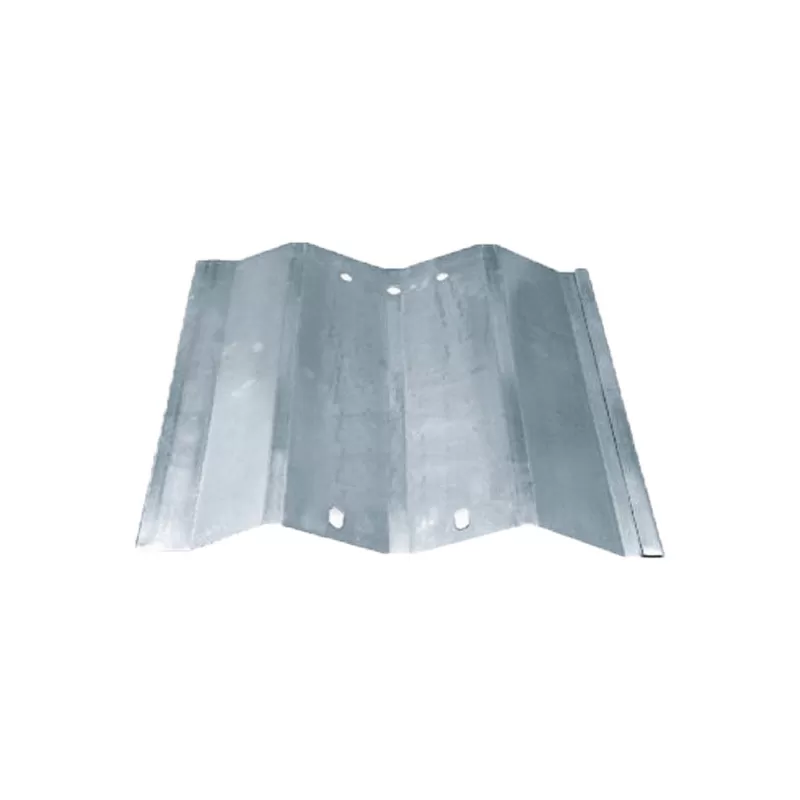
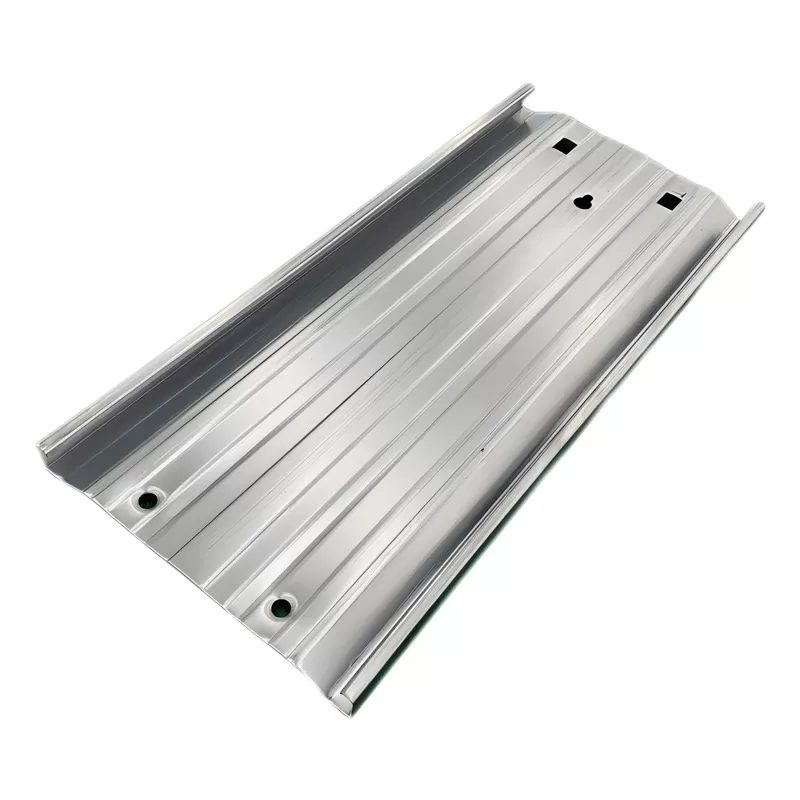
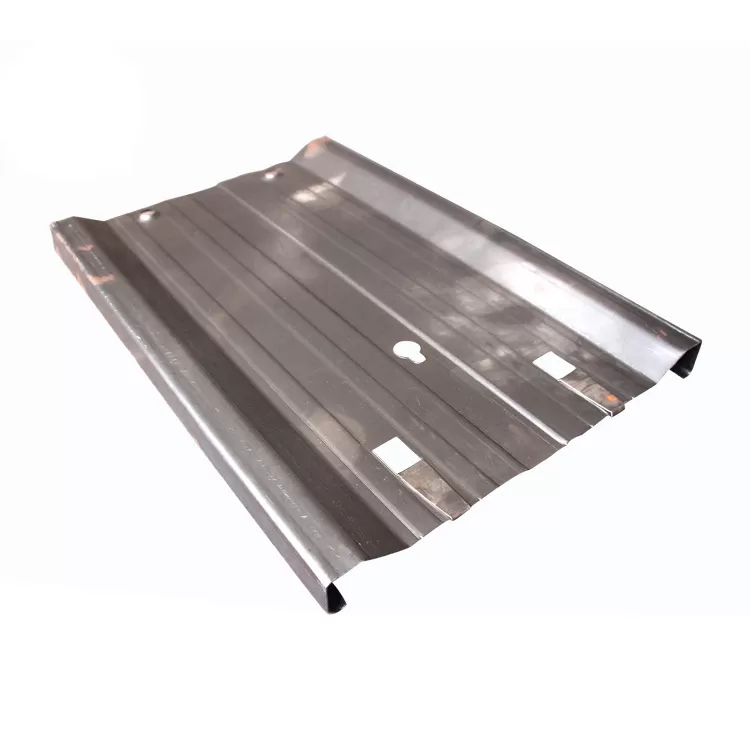
As a leading Dust Collecting Plate supplier in China, SENOTAY manufactures high-performance ESP dust collecting plates (collecting electrodes) engineered to maximize particulate collection efficiency in Electrostatic Precipitators (ESPs). Our precision roll-formed plates feature optimized aerodynamic profiles that minimize dust re-entrainment during rapping while maintaining excellent electrical grounding and structural rigidity. Designed for power plants, cement factories, steel mills, mining, and other industrial air pollution control systems, they deliver reliable long-term performance in harsh operating environments.
Technical Performance Matrix
| Plate Configuration | Standard Collecting Plates | SENOTAY Structural Advantage |
|---|
| Profile Stability | Warping under high temperatures | Precision roll-formed profiles maintain flatness |
| Dust Shedding | Higher dust re-entrainment | Aerodynamic pockets improve dust discharge into hoppers |
| Corrosion Resistance | Premature oxidation | Carbon steel, SS316L, and alloy options for extended service life |
Why Leading Plants Choose SENOTAY
Factory-Direct Pricing. Certified Quality. Dedicated Support.
Factory-Direct Pricing
As a professional Dust Collecting Plate supplier in China, we eliminate trading markups to provide competitive factory-direct pricing for ESP replacement plates, retrofits, and complete collecting electrode systems.
Certified Quality
Manufactured in our ISO 9001-certified facility with CE-compliant production, every collecting plate is produced with strict dimensional and straightness tolerances to ensure optimal electrode spacing, stable voltage, and reduced spark-over.
Fast Global Delivery
Comprehensive Technical Support
Our engineering team provides lifetime support for collecting plate profile selection (SZ, C, and G profiles), ESP field layout optimization, installation guidance, and troubleshooting. We also supply complete ESP internals, including cathode wires, rapping systems, suspension bars, and high-voltage insulators.
Trusted by industrial air pollution control and material handling plants worldwide. Ready to optimize your ESP performance.
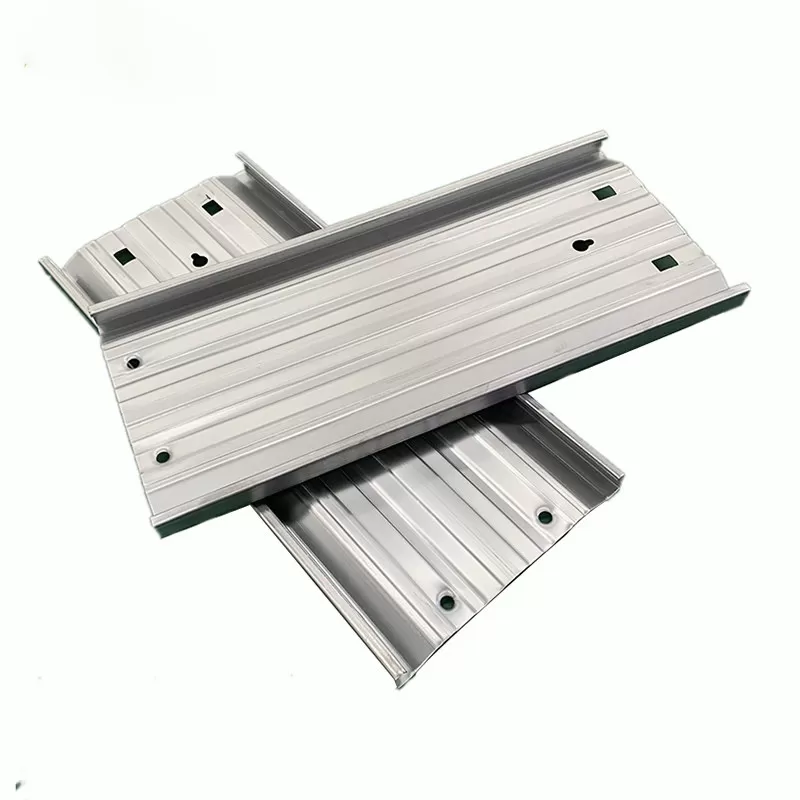
Why Dust Collecting Plates Are Critical in Electrostatic Precipitators
A high-quality dust collecting plate is essential for achieving maximum dust collection efficiency and stable ESP operation. Its profile accuracy, surface finish, and electrical conductivity directly influence overall filtration performance.
High-performance collecting plates provide:
Stable electrical grounding and voltage performance
Higher dust collection efficiency
Reduced dust re-entrainment during rapping
Lower power consumption
Longer service life with reduced maintenance
Choosing an experienced Dust Collecting Plate supplier in China like SENOTAY ensures reliable quality, consistent performance, and long-term environmental compliance for your industrial dust collection system.
Types of ESP Dust Collecting Plate Analysis
Model (Plate Type) | Plate Width (mm) | Plate Spacing (mm) | Length (m) | Weight (kg/m²) | Max Temp (°C) |
DP-01 | 400 | 400 | 6-12 | 18.5 | 250 |
DP-02 | 500 | 500 | 5-10 | 15.2 | 400 |
DP-03 | 600 | 600 | 4-8 | 28.7 | 200 |
DP-04 | 700 | 700 | 6-15 | 22.4 | 350 |
DP-05 | 450 | 450 | 5-12 | 16.8 | 450 |
DP-06 | 800 | 800 | 3-7 | 35.6 | 500 |
DP-07 | 550 | 550 | 4-9 | 24.3 | 300 |
DP-08 | 650 | 650 | 5-11 | 19.7 | 250 |
DP-09 | 750 | 750 | 6-14 | 26.9 | 450 |
DP-10 | 350 | 350 | 3-8 | 12.4 | 350 |
Specifications of ESP Dust Collecting Plate Analysis
Plate Type | Material | Length (mm) | Thickness (mm) | Collection Efficiency | Corrosion Resistance | Typical Application |
Z-Type Corrugated | Carbon Steel Q235B | 4000-8000 | 1.2-2.0 | High | Moderate | Power plants, cement kilns |
C-Type Corrugated | Stainless Steel 304 | 3500-7500 | 1.0-1.8 | Very High | Excellent | Chemical processing, waste incineration |
Flat Plate | Weathering Steel | 3000-6000 | 2.0-3.5 | Moderate | Good | Mining, mineral processing |
Channel Type | Carbon Steel w/ coating | 4500-9000 | 1.5-2.5 | High | Good to Excellent | Steel mills, foundries |
RS-Type Corrugated | Stainless Steel 316L | 4000-8500 | 1.2-2.0 | Very High | Exceptional | Pulp & paper, pharmaceutical |
Tubular Collector | Nickel Alloy 625 | 3000-7000 | 2.5-4.0 | Moderate | Extreme | Petrochemical, high-temp processes |
Chevron Pattern | Carbon Steel Q345B | 3500-7000 | 1.8-2.8 | High | Moderate | Biomass boilers, industrial boilers |
Wave-Type | Galvanized Steel | 3000-6500 | 1.5-2.2 | High | Good | Food processing, grain handling |
Hybrid Composite | Steel core w/ ceramic | 4000-8000 | 2.0-3.0 | Very High | Exceptional | High-corrosion, FGD systems |
Micro-structured | Advanced stainless alloys | 2500-6000 | 0.8-1.5 | Extremely High | Excellent | High-efficiency retrofit projects, clean rooms |
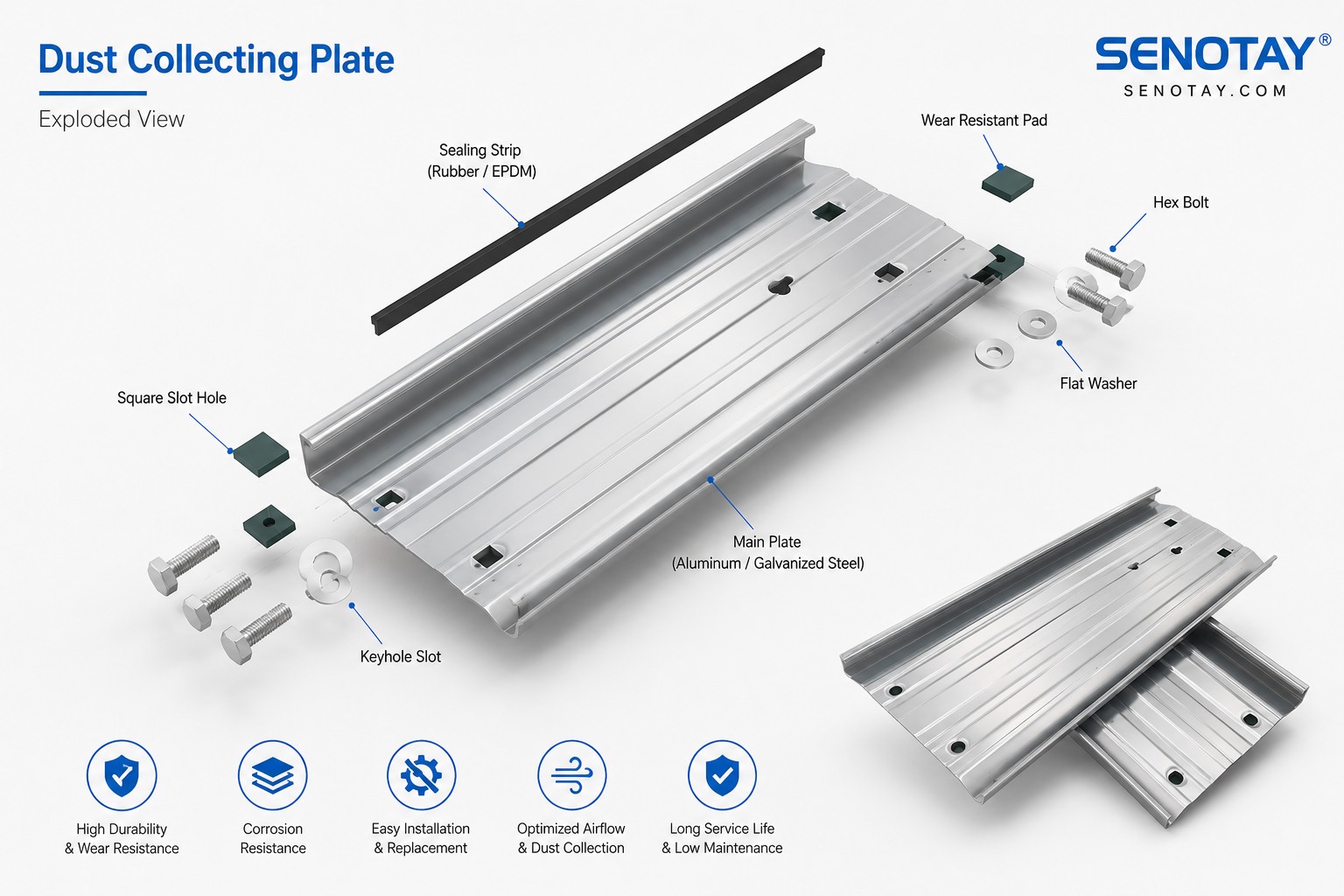
Why ESP Dust Collecting Plate Is Unique Among Other Industrial Electric Precipitation Accessories
Unlike other ESP components, the dust collecting plate serves as the primary dust accumulation surface within the electrostatic precipitator. Our uniquely engineered plates feature:
Optimized corrugation or flat-panel designs to increase collection area.
Advanced coating technology for enhanced anti-corrosion capability.
Superior thickness uniformity, ensuring consistent electrical field distribution.
Compatibility with both DC and pulsating power ESP systems.
This makes our ESP plates more reliable, longer-lasting, and more energy-efficient than conventional models.
What are the Physical and Mechanical Properties of ESP Dust Collecting Plate?
Our ESP dust collecting plates are engineered with precise physical and mechanical properties to ensure optimal performance in demanding industrial environments:
Physical Properties:
Density: 7.85 g/cm³ (carbon steel), 8.0 g/cm³ (stainless steel variants)
Thermal Conductivity: 45-50 W/m·K (carbon steel), 15-20 W/m·K (stainless steel)
Coefficient of Thermal Expansion: 11.7 × 10⁻⁶/°C (carbon steel), 16-18 × 10⁻⁶/°C (stainless steel)
Specific Heat Capacity: 460-480 J/kg·K across material variants
Electrical Resistivity: 0.15-0.20 μΩ·m (ensures proper grounding characteristics)
Surface Roughness: 3.2-6.3 μm Ra (optimized for particle adhesion and release during cleaning)
Mechanical Properties:
Tensile Strength: 370-550 MPa (carbon steel), 520-750 MPa (stainless steel)
Yield Strength: 235-355 MPa (carbon steel), 220-310 MPa (stainless steel)
Elongation at Break: 20-26% (ensures flexibility under thermal stress)
Hardness: 120-150 HB (Brinell Hardness) for optimal wear resistance
Fatigue Strength: 150-200 MPa at 10⁷ cycles (resists vibration damage)
Impact Toughness: 27-47 J at -20°C (Charpy V-notch, maintains integrity in cold environments)
Modulus of Elasticity: 200-210 GPa (carbon steel), 190-200 GPa (stainless steel)
Maximum Operating Temperature: 150-450°C (depending on material grade and coating)
Material Properties of Dust Collecting Plate
Our ESP dust collecting plates are manufactured from premium-grade steel materials with advanced coating protection to withstand high temperature, corrosion and dust impact.Common materials are include,like:
Cold/Hot Rolled Carbon Steel Plates
Stainless Steel (SS304, SS316, SS321)
Weathering Steel (Cor-Ten)
Galvanized or Zinc-Coated Steel
▪ Dust Filter Bag
▪ Polyester Filter Bag | FMS Filter Bag | Basalt Filter Bag | Nomex Filter Bag |
PTFE Filter Bag | Acrylic Filter Bag | Fiberglass Filter Bag | P84 Filter Bag | PPS Filter Bag
▪ Dust Collector Bag Cage
▪ Dust Collector Bag Cage | Galvanized Bag Cage | Silicone Bag Cage | Trapezoidal Bag Cage | Envelope Bag Cage | Cage Venturi Tube
▪ Dust filter element
▪ Air Filter Element | Top-mounted Dust Filter Element | Oblique-insert Dust Filter Element |
Lifting Dust Filter Element | Six-Ear Quick-release Dust Filter Element | Threaded Dust Filter Element | Flange Dust Filter Element
▪ Electromagnetic pulse valve
▪ DMF-Z Right Angle Solenoid Pulse Valve | DMF-Y Submerged Electromagnetic Pulse Valve
▪ Industrial Electric Precipitation Accessories
▪ Cathode Wire | Dust Collecting Plate | Vibrating Hammer | Bearing In Dust | Electrostatic Precipitator Porcelain Sleeve
FAQs About ESP Dust Collecting Plate
Q1: What is the lifespan of an ESP dust collecting plate?
A: Under normal conditions, our plates last 8–12 years, depending on operational environment and maintenance quality.
Q2: Can these plates be customized according to the ESP design?
A: Yes, Hebei Outai provides fully customized plates — including material, size, and surface coatings — to match any ESP model.
Q3: How often should ESP plates be cleaned or replaced?
A: Cleaning cycles depend on dust concentration. Plates should be inspected every 6 months, with replacements as required to maintain efficiency.
Q4: Are stainless steel plates worth the investment?
A: Absolutely. Stainless steel ESP plates offer superior corrosion resistance, longer service life, and improved performance in high-humidity or corrosive gas environments.
Q5: Why choose HEBEI OUTAI?
A: We combine decades of experience, advanced forming and coating technology and strict ISO-certified quality management to deliver exceptional ESP components worldwide.