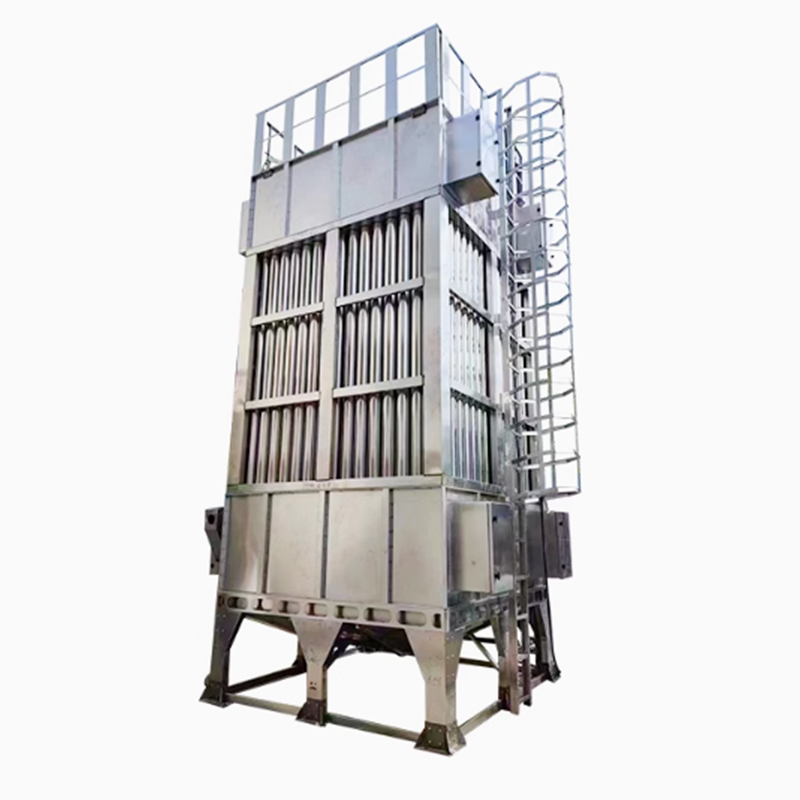
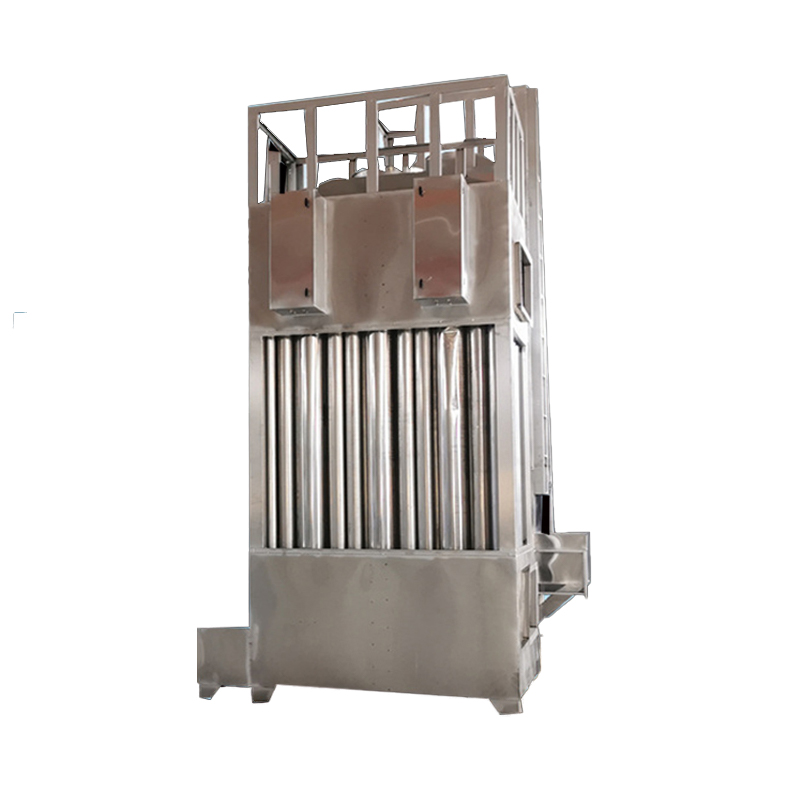
Ultrafine Particulate & Acid Mist Capture for Hazardous Industrial Exhaust
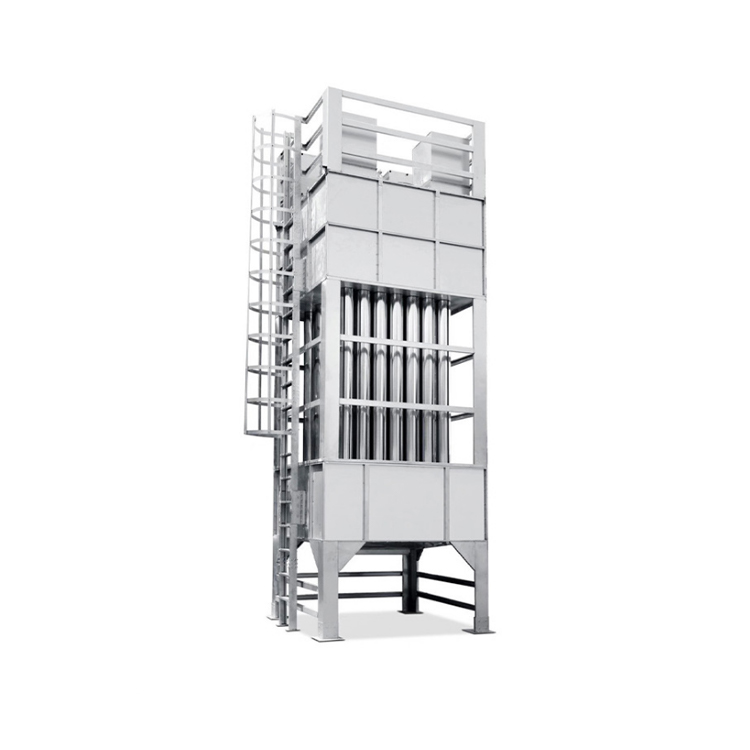
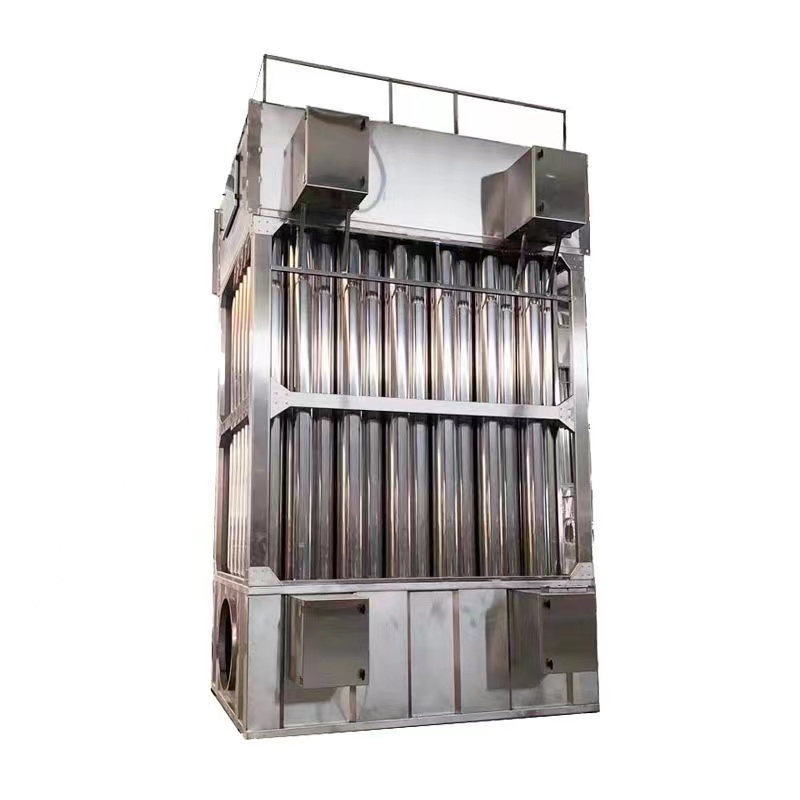
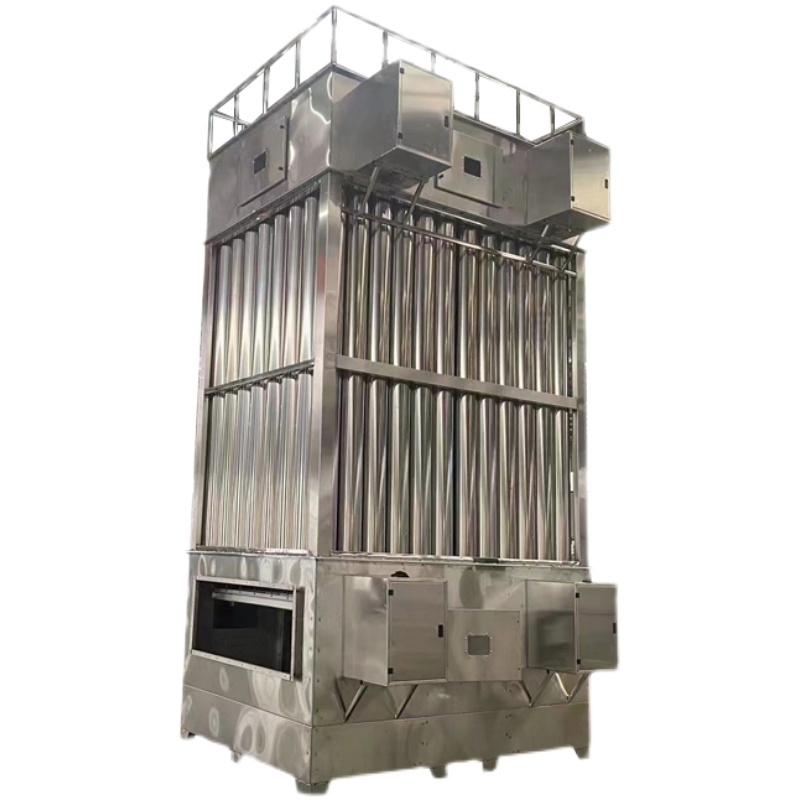
The WESP Series is engineered to capture sub-micron particulates (0.1–5 percent), acid mists, sticky tars, and heavy metal aerosols that conventional dry filters cannot handle. By utilizing high-voltage electrostatic charging combined with continuous water film flushing, the system prevents secondary dust re-entrainment and completely eliminates spark-ignition risks in volatile environments.
Performance Highlights
Explosion & Spark Safety: Saturated wet-state operation eliminates fire and deflagration risks when processing flammable fumes, tars, and organic dusts.
Corrosion-Resistant Construction: Built with high-grade 316L Stainless Steel (or FRP options) to withstand severe sulfuric, nitric, and hydrofluoric acid gas streams.
Ultra-Low Emissions: Achieves up to 99.9% filtration efficiency, maintaining final outlet particulate levels at < 5mg/Nm^3.
Zero Media Clogging: Continuous automated plate washing clears sticky condensables without manual downtime or filter media replacements.
Model Selection Overview
WESP-3000 | Light Chemical & Acid Mist Capture
Processing capacity: 30,000 m³/h | Electric field area: 150 m² | Operating pressure drop: < 250Pa
WESP-8000 | Metallurgy & Coking Exhaust
Processing capacity: 80,000 m³/h | Electric field area: 380 m² | Operating pressure drop: < 300Pa
WESP-15000 | Hazardous Waste & Sludge Incineration
Processing capacity: 150,000 m³/h | Electric field area: 720 m² | Operating pressure drop: < 350Pa
WESP-30000 | High-Volume Power & Smelting Polishing
Processing capacity: 300,000 m³/h | Electric field area: 1,450 m² | Operating pressure drop: < 350Pa
What makes a Wet Electrostatic Precipitator dust collector unique?
A Wet Electrostatic Precipitator (WESP) which is also known as a Wet ESP, Tubular Electrostatic Precipitator, or Wet Scrubber ESP that is an advanced Industrial Air Pollution Control System designed to remove fine particulates, aerosols, fumes, heavy metals, and sticky pollutants from industrial exhaust streams. Senotay who are a leading Wet Electrostatic Precipitator Manufacturer in China and delivers high-performance WESP systems engineered for industries requiring ultra-low emission levels.
It is especially effective for:
Submicron particles (<1 micron)
Acid mists (H₂SO₄, HCl, HNO₃)
Tar, oil mist,resin fumes
Sticky, corrosive, or high-moisture gases
WESP offers 99%+ removal efficiency thats making it ideal for industries with strict environmental requirements.
Why Leading Plants Choose SENOTAY Wet Electrostatic Precipitator
Factory-Direct Pricing. Certified Quality. Dedicated Support.
Best Price Guarantee
Certified & Compliant
Fast, Reliable Delivery
Why choose Wet Electrostatic Precipitator?
Industries choose WESP systems because they:
Capture extremely fine pollutants that other technologies cannot.
Remove hazardous and corrosive aerosols.
Prevent re-entrainment of dust due to wet cleaning.
Provide stable operation even with high moisture content.
Support global emission compliance standards.
A Wet ESP is the most reliable and energy-efficient solution for achieving ultra-low particulate emissions.
Table: Types of Wet Electrostatic Precipitators (10 Types)
Type No. | Gas Flow Capacity (m³/h) | Collection Efficiency | Material | Structure Type | Voltage (kV) | Typical Application |
WESP-01 | 10,000 | 98–99% | SS304 | Tubular | 40–60 | Small chemical exhaust |
WESP-02 | 20,000 | 99% | FRP | Tubular | 50–70 | Food & tobacco |
WESP-03 | 30,000 | 99% | SS316L | Plate-Type | 60–80 | Acid mist removal |
WESP-04 | 40,000 | 99.2% | FRP+SS | Tubular | 70–90 | Petrochemical |
WESP-05 | 50,000 | 99.5% | Titanium | Plate-Type | 80–100 | Heavy corrosion industries |
WESP-06 | 70,000 | 99% | SS316L | Tubular | 70–90 | Metal smelting |
WESP-07 | 90,000 | 99.3% | FRP | Plate | 40–70 | Waste incineration |
WESP-08 | 120,000 | 99.7% | SS304 | Tubular | 80–100 | Power plants |
WESP-09 | 150,000 | 99.5% | SS316L | Tubular | 70–90 | Coke & carbon black |
WESP-10 | 200,000+ | 99.8% | Custom Alloy | Plate+Tubular | 80–100 | Large industrial complexes |
Product Description
The Senotay WESP combines advanced electrical charging and engineered water-film technology and corrosion-resistant construction. Our Wet ESP systems are customizable for heavy industrial use and continuous operation, ensuring maximum safety, durability and removal efficiency.
Key highlights include:
High collection efficiency for PM2.5 and submicron particles.
Fully automatic washing system.
Stainless steel or FRP-lined construction.
Low-pressure drop and low energy consumption.
Long service life and reduced maintenance.
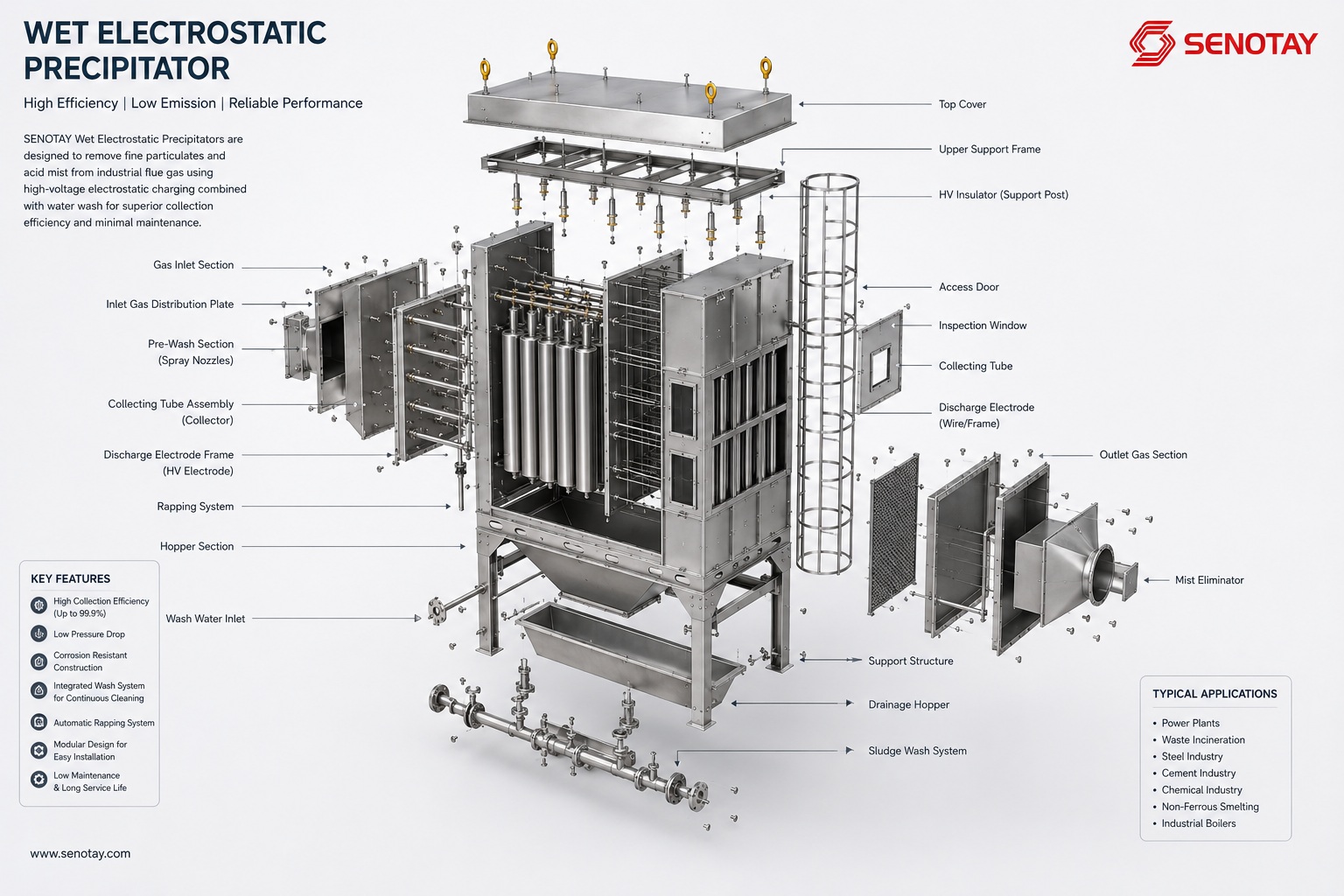
Wet Electrostatic Precipitator (WESP) — Technical Specification Table
Physical Dimensions | Performance Ratings | Material & Construction | Operational Data | Certifications & Lifecycle |
Model Airflow Capacity: 8,000–250,000 m³/h | Collection Efficiency: 95–99.9% for PM₂.₅ / PM₁ | SS304 / SS316L / Duplex 2205 | −2,000 to +1,200 Pa | : 15–20 years |
Length: 3,500–18,000 mm | Corona Voltage: 40–90 kV DC | Stainless Steel — Ø4–6 mm | 0.8–3.5 m³/h per tube | 4,000–6,000 h |
Width: 2,200–7,500 mm | Corona Current: 100–800 mA | FRP / SS316L / Alloy C276 | 20–70 °C | ≥ 1,000,000 cycles |
Height: 4,000–16,000 mm | Mist/Fume Removal: 90–99% | SS304 / PP | 80 °C | ISO 9001 / CE / EN 12779 / GB 13271 |
Inlet Flange: DN500–DN2200 | Pressure Drop: 200–600 Pa | Acid-resistant FRP / Rubber 3–6 mm | 15–250 kW | C4–C5 High Industrial |
Outlet Flange: DN500–DN2400 | Outlet Dust Concentration: ≤ 5 mg/m³ | EPDM / Neoprene | 3–25 kWh per 10k m³/h | IP55–IP65 Electrical Panels |
BCD: 350–2,500 mm | Ozone Production (inside chamber): < 0.02 ppm (controlled) | upport Frame Thickness: 6–14 mm | 4–12 Reinforced Lugs | EU VOC & PM Regulations |
Approx. Weight: 4,500–65,000 kg | Gas Velocity: 0.8–1.6 m/s | Epoxy 120 μm + PU 140 μm | 10–120 min (adjustable) | ≥ 98% |
How Does a WEP Work?
Gas Inlet: Polluted gas enters the WESP.
Ionization Zone: High-voltage electrodes create an electrical field that charges fine particles and aerosols.
Collection Zone: Charged particles migrate to collecting tubes or plates.
Water Film Rinsing: Continuous flushing removes captured pollutants, preventing buildup.
Clean Gas Outlet: Clean, moisture-neutralized gas exits the system.
WESP works effectively even with high humidity, corrosive compounds, and sticky pollutants.
CORE COMPONENTS
High-Voltage Power Supply.
Corona Discharge Electrodes.
Collecting Tubes / Plates.
Insulators and Support Frame.
Water Spray / Cleaning System.
Gas Distribution System.
FRP/Stainless Steel Housing.
Control Cabinet & Sensors.
Technical Advantages in Manufacturing WESP at Senotay
15+ years of engineering experience.
Advanced CNC fabrication.
Corrosion-resistant design technology.
High-voltage, stable power control system.
Modular & customizable engineering.
ISO9001 / CE certified production.
On-site and remote technical support.
Explore More Air Pollution Control Equipment
▪ Industrial Baghouse Series
▪ LDMC baghouse dust collector | PPC baghouse dust collector | DMC Pulse Jet Baghouse Dust Collector | Baghouse Dust Collector
▪ Electrostatic & Gas Treatment
▪ Horizontal electrostatic precipitator | Wet electrostatic precipitator | Electrostatic Dust Collector | PP Spray Tower | Catalytic Combustion Dust Collector
▪ Cyclone Dust Separators
▪ Single-Cylinder Cyclone Dust Collector | Combined Cyclone Dust Collector | Ceramic Multi-Tube Cyclone Dust Collector
▪ Cartridge & Station Extraction
▪ Cartridge Dust Collector | Modular Dust Collector | Mobile dust collector | Welding Fume Purifier | Grinding table dust collector
FAQs - WESP
1. What pollutants can a WESP remove?
Answers:It removes fine particulates, acid mists, heavy metals, tar/oil mist, ammonia aerosol, VOC mists, and smoke.
2. Is a Wet ESP better than a Dry ESP?
Answers:For sticky, corrosive, and submicron particles, WESP is significantly more effective.
3. What is the lifespan of a WESP?
Answers:Typically 15–20 years with proper maintenance.
4. Can WESP handle high-humidity exhaust?
Answers:Yes. WESP is designed specifically for wet, sticky, and moisture-laden gas streams.
5. Does Senotay provide installation and after-sales support?
Answers:Yes. Senotay provides turnkey engineering, installation, commissioning, and lifelong technical support.