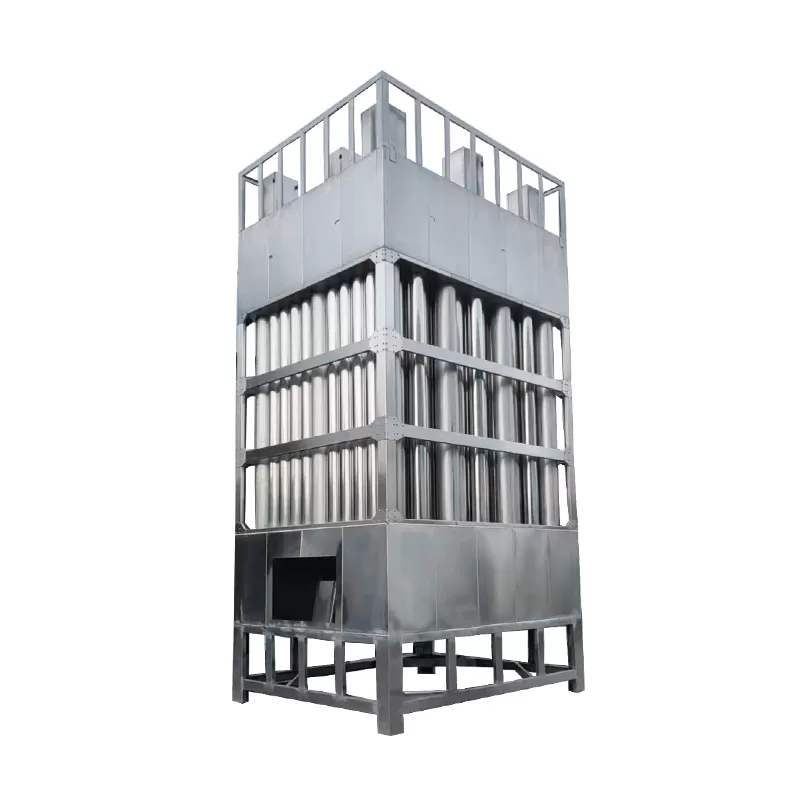
High-Voltage Particulate Charging & Filterless Gas Purification
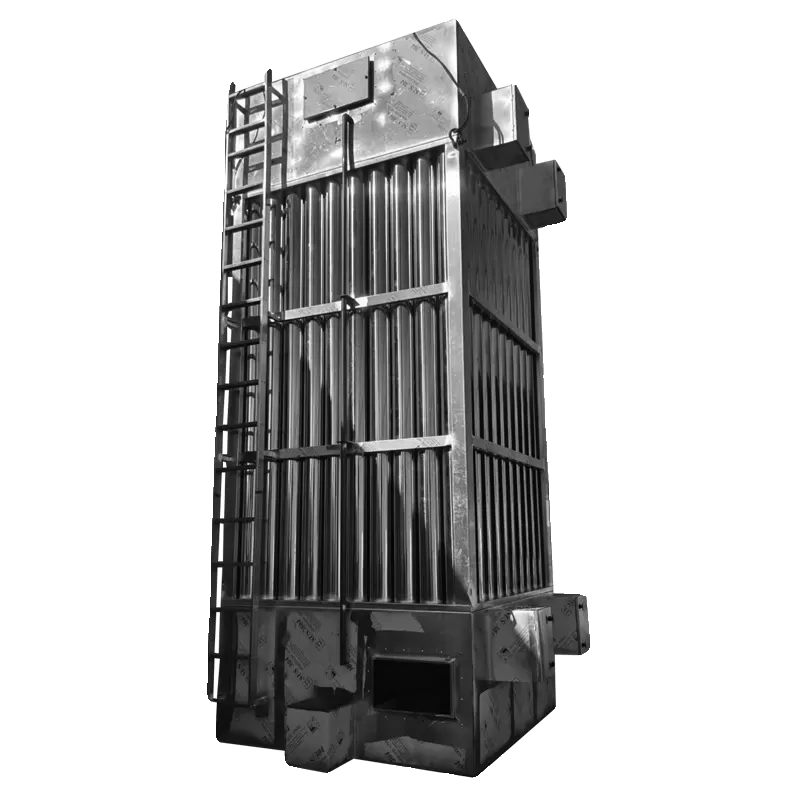
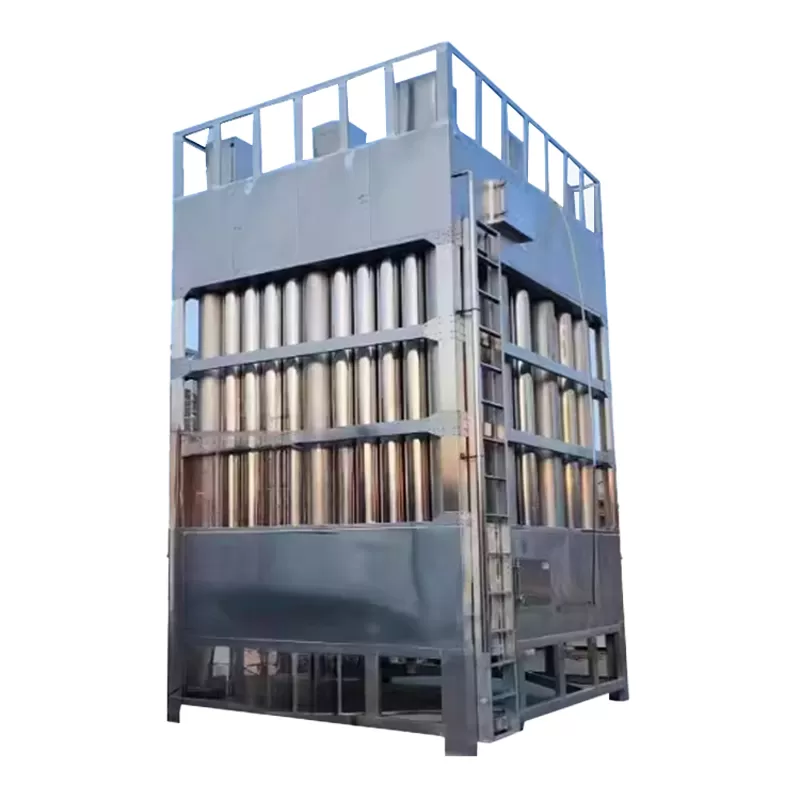
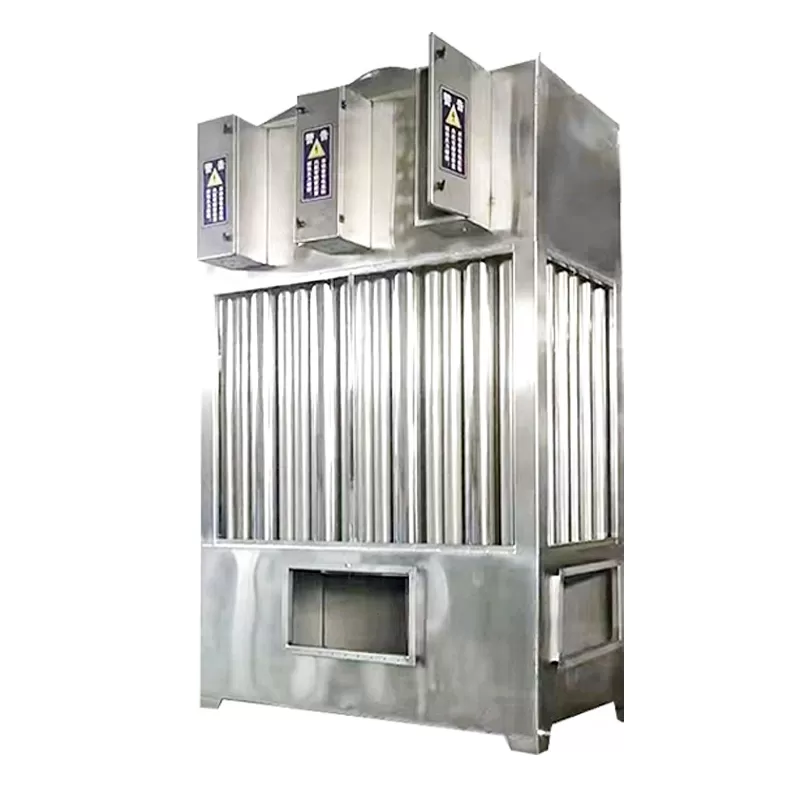
The EDC Series Electrostatic Dust Collector (ESP) uses high-voltage corona fields to charge and capture airborne dust, fumes, and smoke onto corrosion-resistant plates. Operating without fabric filter bags or cartridges, it maintains low pressure drop and zero backpressure buildup while delivering 99.7% to 99.9% collection efficiency for fine particulates (≥ 1 μm). The HES lineup includes dry, wet-type, explosion-proof, and high-temperature configurations engineered for continuous, heavy-duty industrial processing.
Key Operational Advantages
Ultra-Clean Outlet Discharge: Keeps final emission concentrations below 10–20 mg/m³ across large airflows ranging from 10,000 to over 450,000 m³/h.
Process & Thermal Flexibility: Features dedicated models for temperatures up to 450°C, combustible gases (ATEX-certified), and sticky or wet aerosols.
Key Technical Specifications
Processing volumes from 10,000 to 450,000 m³/h with ≥ 99.7–99.9% efficiency for fine particulates (≥ 1 μm). Powered by 48–75 kV DC solid-state transformer-rectifiers with a system resistance of 150–380 Pa.Constructed from SS304/SS316 or Q235B steel with ceramic insulators, providing a 15–25 year service life.
Why Choose Electrostatic Dust Collector ?
Industrial operations generate microscopic dust and pollutants that are harmful to both the environment and human health. Conventional filtration systems often struggle to capture ultra-fine particles or require frequent maintenance. The Electrostatic Dust Collector (ESP) solves these challenges by:
Ensuring<10 mg/Nm³outlet dust concentration — meeting global emission norms.
Offering low-pressure drop operation, resulting in decreased energy consumption.
Providing continuous performance without filter clogging or replacement.
Supporting automatic cleaning through mechanical rapping or water washing systems.
Reducing overall maintenance and lifecycle costs, ideal for 24/7 industrial operations.
With Senotay’s ESP Dust Collectors, industries achieve cleaner emissions, better workplace environments, and regulatory compliance with EU and ISO 9001:2015 standards.
Why Leading Plants Choose SENOTAY Electrostatic Dust Collector
Factory-Direct Pricing. Certified Quality. Dedicated Support.
Best Price Guarantee
Certified & Compliant
Fast, Reliable Delivery
Types of Electrostatic Dust Collectors — Comparison Table
Type No. | Model | Airflow Capacity (m³/h) | Power Input (kW) | Efficiency (% @ 0.3µm) | Operating Temp. Range (°C) | Protection Class |
1 | EDC-5000 | 5,000 | 5.5 | 99.5 | -10 ~ 250 | IP54 |
2 | EDC-12000 | 12,000 | 11 | 99.7 | -15 ~ 300 | IP55 |
3 | EDC-30000 | 30,000 | 30 | 99.9 | -20 ~ 390 | IP55 |
4 | EDC-60000 | 60,000 | 55 | 99.9 | -20 ~ 400 | IP56 |
5 | EDC-80000 | 80,000 | 75 | 99.95 | -25 ~ 450 | IP56 |
6 | WEDC-5000 (Wet Type) | 5,000 | 8 | 99.9 | -10 ~ 200 | IP65 |
7 | WEDC-12000 | 12,000 | 12 | 99.97 | -15 ~ 260 | IP65 |
8 | EX-EDC-15000 (Explosion-Proof) | 15,000 | 15 | 99.8 | -20 ~ 300 | ATEX |
9 | HEDC-25000 (High-Temp Version) | 25,000 | 25 | 99.7 | -30 ~ 450 | IP56 |
10 | RX-EDC-50000 (RFID Monitored) | 50,000 | 40 | 99.99 | -20 ~ 390 | IP67 |
Technical Specification Table
Physical Dimensions | Performance Ratings | Material & Construction | Operational Data | Certifications & Lifecycle |
Length: 2,000–12,000 mm | Filtration Efficiency: ≥ 99.7–99.9% | SS 304 / CS Q235B | 48–75 kV DC | > 80,000 h |
Width: 1,500–8,500 mm | Particle Size Capture: ≥ 1 μm | SS 316 / High-tensile alloy | ≤ 1.5 sparks/min | 15–25 years |
Height: 2,500–10,500 mm | Pressure Rating: –1.5 to –6 kPa | 6–14 mm (CS/SS) | 10,000–450,000 m³/h | ISO 9001 / CE / IEC |
Flue Gas Inlet: DN400–DN2400 | Max Temperature: 150–250°C | Ceramic/Porcelain | 80–220°C | EPA / EN 12741 |
Flue Gas Outlet: DN350–DN2200 | Voltage Ripple: ≤ 5% | Electromagnetic / Mechanical | 150–380 Pa | ≤ 20 mg/m³ |
Access Doors: 500×700 / 600×900 mm | Corona Power: 20–180 kW | 3–8 mm CS/SS | 6–45 kWh | IEC 60060-1 |
BCD (Bolt Circle Dia): 450–2,100 mm | Collection Area: 25–2,800 m² | EPDM / Silicone | 3,500–65,000 kg | Hot-dip galvanized / Epoxy coated |
Base Plate Area: 900–5,200 mm | Migration Velocity: 7–15 cm/s | Carbon Steel + Anti-corrosion coating | Every 4–6 months | Rapper cycle 5–30 min |
Product Description, Material Properties, and Standards
Our Electrostatic Dust Collectors are engineered for reliability, corrosion resistance, and long-term durability. Every component is made from certified structural materials and tested against international industrial standards.
Component | Material / Specification | Properties & Benefits | Standard |
Power Supply | 20–100 kV DC Transformer | Spark suppression, energy-optimized solid-state control | IEC 60204-1 |
Discharge Electrodes | Tungsten / Stainless Steel | High durability, constant corona discharge | ASTM A366 |
Collection Plates | Carbon Steel / Stainless Steel (6–8 m tall) | Corrosion-resistant, optimized spacing | ASTM A240 |
Housing | 4–6 mm Steel with anti-corrosion coating | Structural stability & insulation | ISO 13705 |
Hopper System | Rotary Valves or Screw Conveyors | Automated dust discharge | ASME B16.5 |
Sealing & Protection | IP54–IP55 rated | Weatherproof & explosion-proof | IEC 60529 |
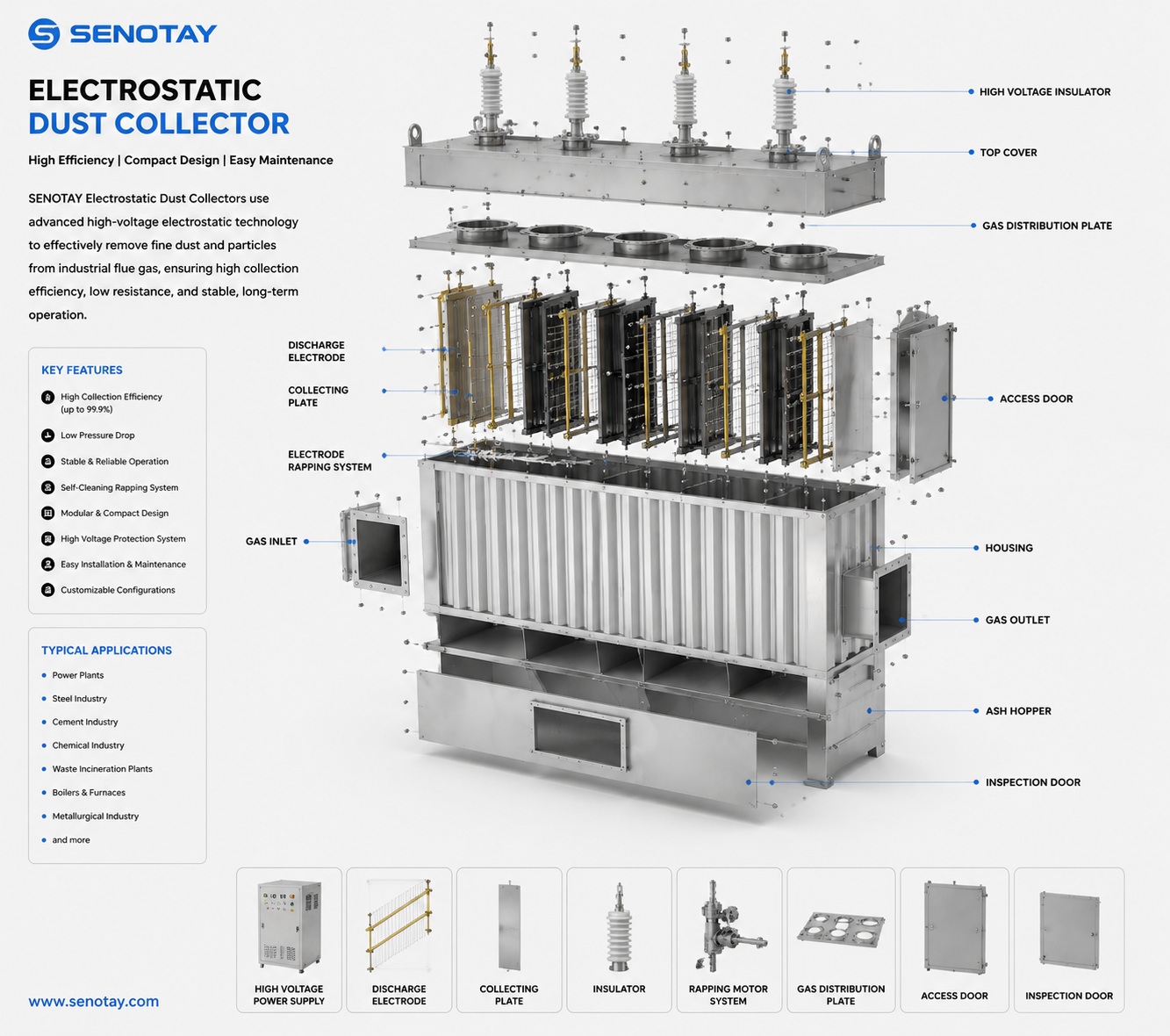
Key Features of Senotay Electrostatic Dust Collector
Ultra-High Filtration Efficiency: 99.9% particle removal rate
Durable, Corrosion-Resistant Materials (Carbon Steel, SS304/316)
Fully Automated Operation and Cleaning
CE, ISO 9001/14001, and ATEX Certified
Customizable Airflow Capacities (5,000–30,000 m³/h)
Energy-efficient transformers and low-pressure operation
Explosion-proof and weatherproof construction options
Core Components
Discharge Electrodes — Create the ionizing corona field.
Collection Plates — Capture charged particles.
Transformer/Rectifier Unit — Provides high-voltage power.
Rapping Mechanism / Water Spray System — Automated cleaning.
Hopper & Dust Conveyor — Smooth dust discharge.
Control Cabinet — Intelligent power regulation and performance monitoring.
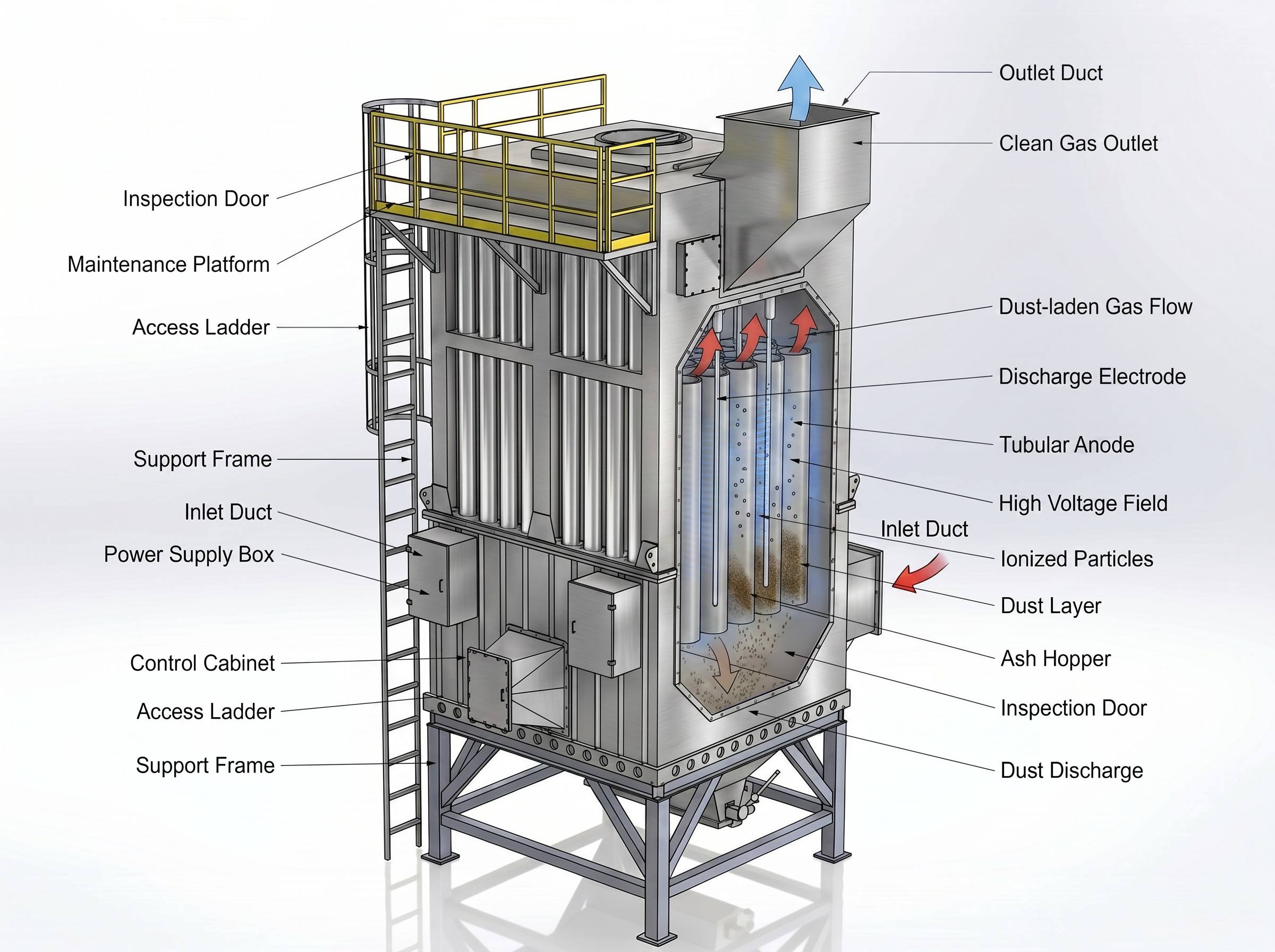
Technical Advantages in Manufacturing — Senotay Expertise
Senotay leverages precision engineering and advanced production technologies to produce high-voltage ESP with superior efficiency and lifespan. Each ESP is manufactured in compliance with ISO 9001:2015 and undergoes performance testing based on EN ISO 16890, AMCA 210, and ASME B16.5 standards.
Our advanced manufacturing advantages include:
Computerized electrode alignment systems for stable corona formation.
CNC-fabricated plates ensuring low resistance and consistent particle capture.
PLC-controlled power supplies with arc suppression logic.
Efficient insulation and anti-corrosion surface treatments.
Modular designs for simplified transportation and installation.
Explore More Air Pollution Control Equipment
▪ Industrial Baghouse Series
▪ LDMC baghouse dust collector | PPC baghouse dust collector | DMC Pulse Jet Baghouse Dust Collector | Baghouse Dust Collector
▪ Electrostatic & Gas Treatment
▪ Horizontal electrostatic precipitator | Wet electrostatic precipitator | Electrostatic Dust Collector | PP Spray Tower | Catalytic Combustion Dust Collector
▪ Cyclone Dust Separators
▪ Single-Cylinder Cyclone Dust Collector | Combined Cyclone Dust Collector | Ceramic Multi-Tube Cyclone Dust Collector
▪ Cartridge & Station Extraction
▪ Cartridge Dust Collector | Modular Dust Collector | Mobile dust collector | Welding Fume Purifier | Grinding table dust collector
FAQs- About ES dust collector
Q1: What is the lifespan of an Esp Dust Collector?
Answers: Typical lifespan ranges between 15–25 years, depending on maintenance and operational environment.
Q2: Does the ESP require special maintenance?
Answers: Minimal. Routine inspection, voltage monitoring, and periodic plate cleaning ensure optimum performance.
Q3: Can it handle oily or sticky dust?
Answers: Yes, Wet ESP models are designed specifically for high-resistivity and sticky particulate removal.
Q4: What certifications do Senotay products hold?
Answers: CE, ISO 9001/14001, RoHS, and ATEX certifications ensure global quality compliance.
Q5: Is customization available for different industries?
Answers: Yes, Senotay offers custom-designed ESPs tailored to unique airflow, temperature, and emission requirements.