
Learn how to calculate water addition for fly ash conditioning using dry-solids flow and wet-basis moisture. This guide compares moisture bases, works through dosing examples, and explains how to verify mixing uniformity, ash handling conditions and truck-loading dust control.
SENOTAY




Cases
Learn how to design crusher transfer point dust control through effective enclosure sealing, airflow calculations and source capture. This guide examines belt openings, process-driven air, leakage, conveyor chute containment, collector selection and commissioning checks under representative operating conditions.
Learn how to plan grain elevator aspiration across receiving pits, bucket elevator heads, boots and discharge points. This guide covers enclosure design, airflow calculations, branch balancing, collector selection, combustible-dust safeguards and commissioning checks for reliable grain handling dust control
Learn how to assess cement silo filling dust control through vent filter sizing, airflow calculations, silo pressure monitoring and filter cleaning checks. Includes illustrative calculations, delivery-phase risks, protective-system verification and acceptance criteria for safer, more reliable cement silo operations.
The airflow examples will remain clearly identified as illustrative calculations—not validated design recommendations or measured Senotay installation results.
Control flour dust during manual sack opening, tipping and empty-sack handling. Learn how to calculate preliminary hood airflow, select a bag or cartridge collector, assess combustible-dust hazards and verify containment, filtration performance and worker exposure.
Diagnose sinter plant ESP flow imbalance by mapping inlet velocity alongside gas duty, field operation and outlet particulate. Approve distribution screens only when the profile is a demonstrated limitation and the fan can sustain the additional resistance.
Balance plastic compounding pickups by setting each hood’s required flow, testing all relevant tasks together and adjusting the complete network. Then verify containment at every hood; total collector flow alone cannot demonstrate effective capture.
Compare mineral unloading layouts by tracing the first dump cloud, restricting unnecessary openings and extracting inside the enclosure. Validate the chosen arrangement with a truck present, then assess filtration and worker exposure separately.
Assess sticky asphalt fines by identifying what binds the deposit, checking cold surfaces and air leaks, and verifying cleaning and discharge before replacing the collector. A retrofit is appropriate only when it addresses the diagnosed limitation and preserves dryer draft within an approved thermal and safety envelope.
Verify a 9-19 process-air blower by locating the required flow and pressure on one model-specific curve at the declared speed, gas density and installation arrangement. Then check absorbed shaft power, electrical demand and the entire permitted operating range. Separate catalogue maxima cannot prove that the required duty exists.
Verify NE100 capacity for a cement silo by converting the required tonnes per hour using operating bulk density, checking usable bucket volume and discharge, and obtaining a separate lift/drive calculation. A model’s volumetric rating does not prove mass throughput, loaded-start capability or suitability for a particular silo height.
Reassess a 9-26 blower after plant expansion by rebuilding the simultaneous branch airflow schedule and the resistance of the controlling flow path. Verify the resulting operating range on a model-specific fan curve before deciding whether to rebalance, modify ductwork or replace the fan.
Illustrative dry-mix mortar application guidance for verifying source capture, module loading and outlet emissions after dust-collector expansion. No customer installation, measured outcome or project timeline is asserted.
Assess an FU600 chain conveyor retrofit by converting peak mass duty to volume at the lowest credible bulk density, then checking the enclosed route, effective material section, chain pull and loaded-start requirement. Nominal width or motor size alone cannot establish throughput.
Application design guidance for evaluating LDMC filtration on kiln and raw-mill exhaust, with installation-specific CO protection, clearly labeled sizing assumptions and evidence-based acceptance requirements. Not a verified customer performance report.
Assess a single-cylinder cyclone for sawmill dust as a coarse preseparator: match the airflow and particle-size distribution, calculate inlet and outlet mass rates, and check the added pressure loss. Total collected mass does not establish fine-dust removal, worker protection or emissions compliance.
Illustrative guidance for checking grinding-table capture and planning representative exposure sampling. Includes clearly assumed airflow and percentage calculations, not measured customer results.
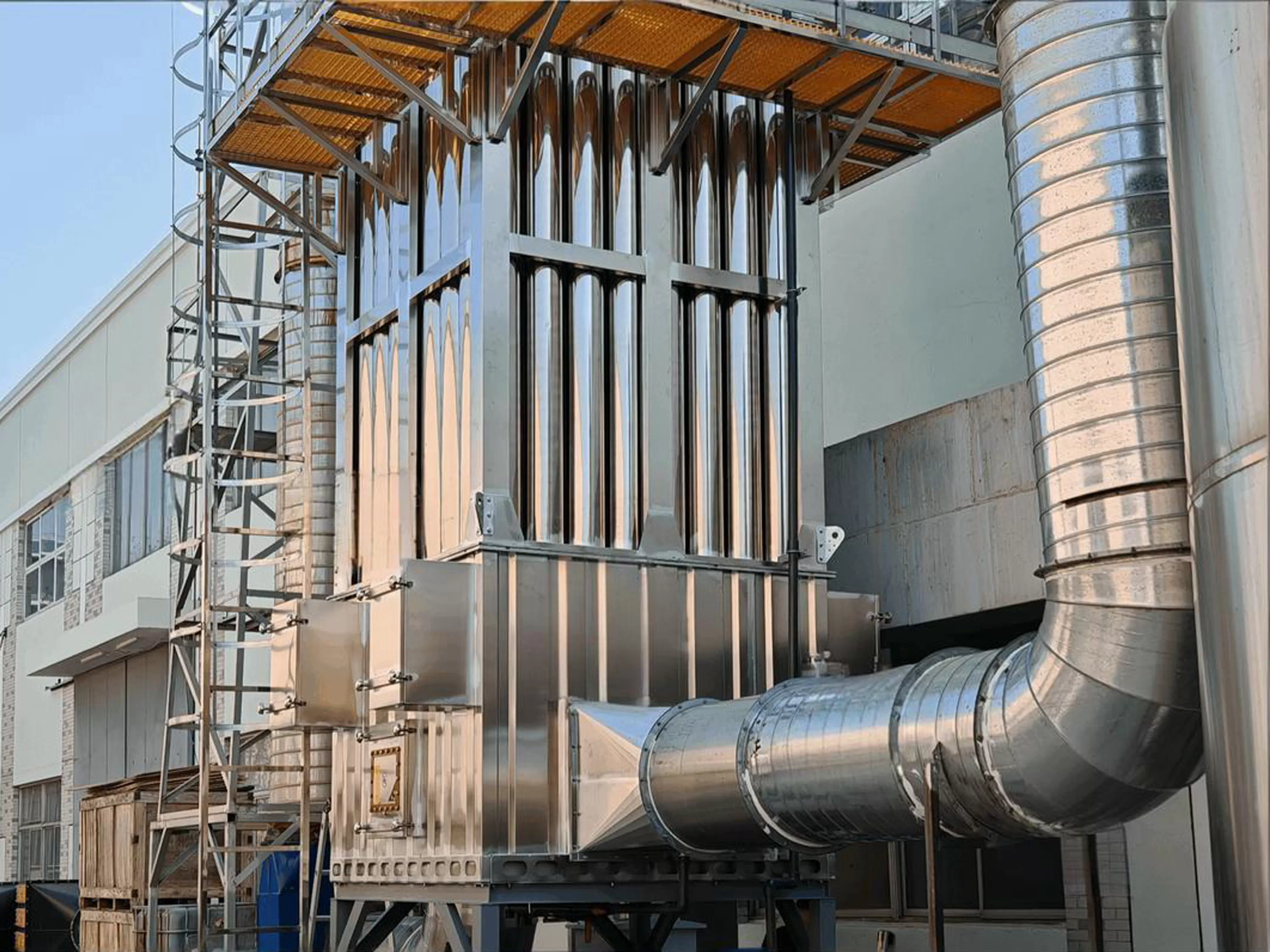
Illustrative WESP acid-mist acceptance guidance for chemical-plant scrubber polishing, with sampling scope, corrosion review and explicitly assumed mass-flow arithmetic. No verified customer result.
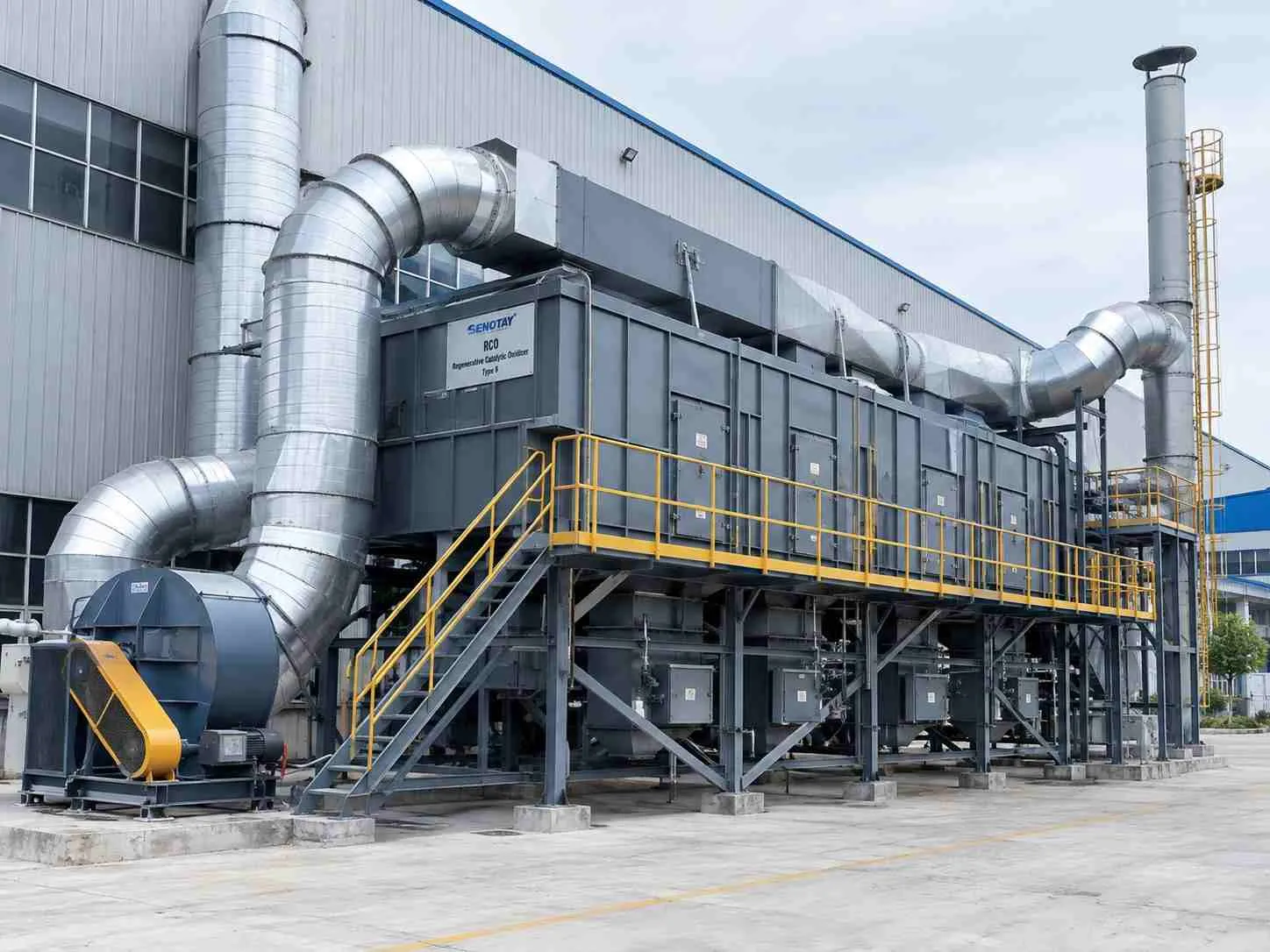
Illustrative coating-exhaust guidance for catalytic oxidizer verification, with mass-flow calculations, analytical-method limits and process-specific safety requirements. No verified customer performance claimed.
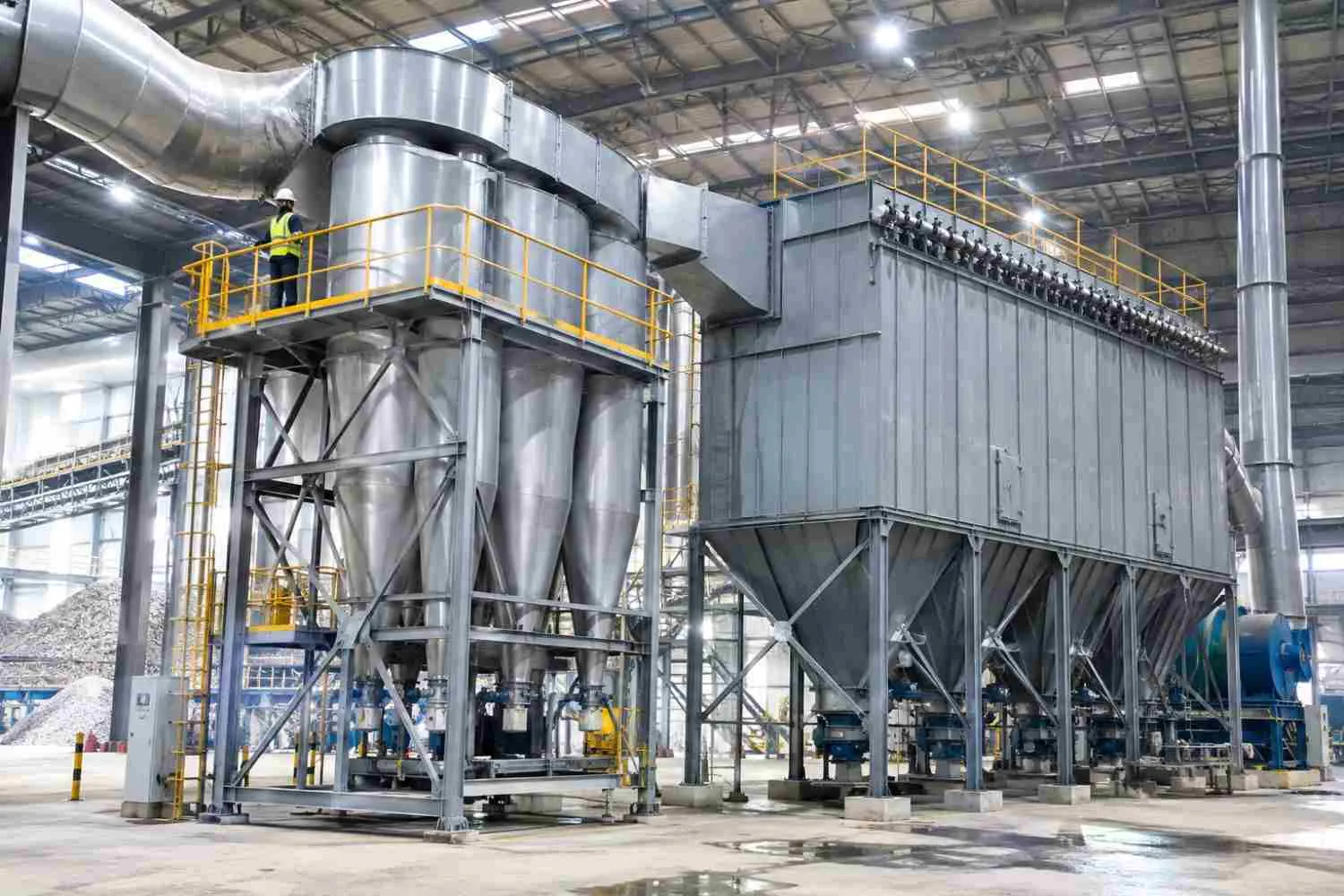
Mineral mill cyclone pre-separation can reduce coarse abrasive solids entering an existing baghouse, provided the added pressure loss does not weaken source capture. Assess the cyclone and baghouse as successive treatment stages, and verify their separate mass balances before claiming a final outlet result.
A laboratory mobile dust collector changeover is complete only when the approved hood, hose, filter and discharge arrangement has been restored and capture has been checked. Moving a collector between benches does not transfer its commissioned performance automatically, even when the motor runs normally.
LDMC-3840 cement mill emission verification requires a defined outlet test basis and evidence from the installed system at the agreed operating duty. Filter area, cleaning pressure and catalogue efficiency are useful engineering inputs, but none independently demonstrates compliance with an outlet limit.
Illustrative acceptance guidance for PPC cement-grinding filtration: define the extraction duty, active filter-area basis, emissions test conditions and operating records. No verified customer result is asserted.
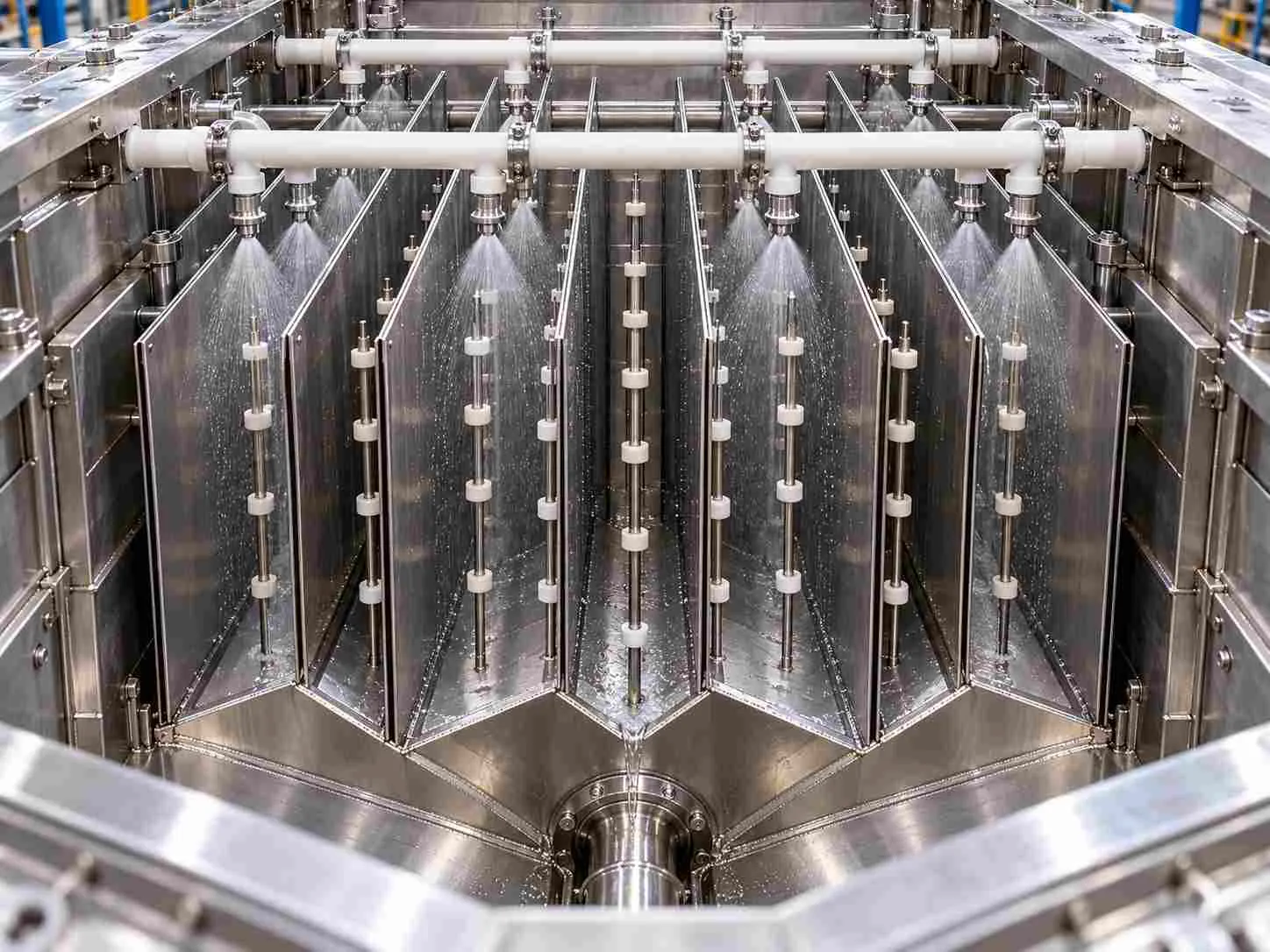
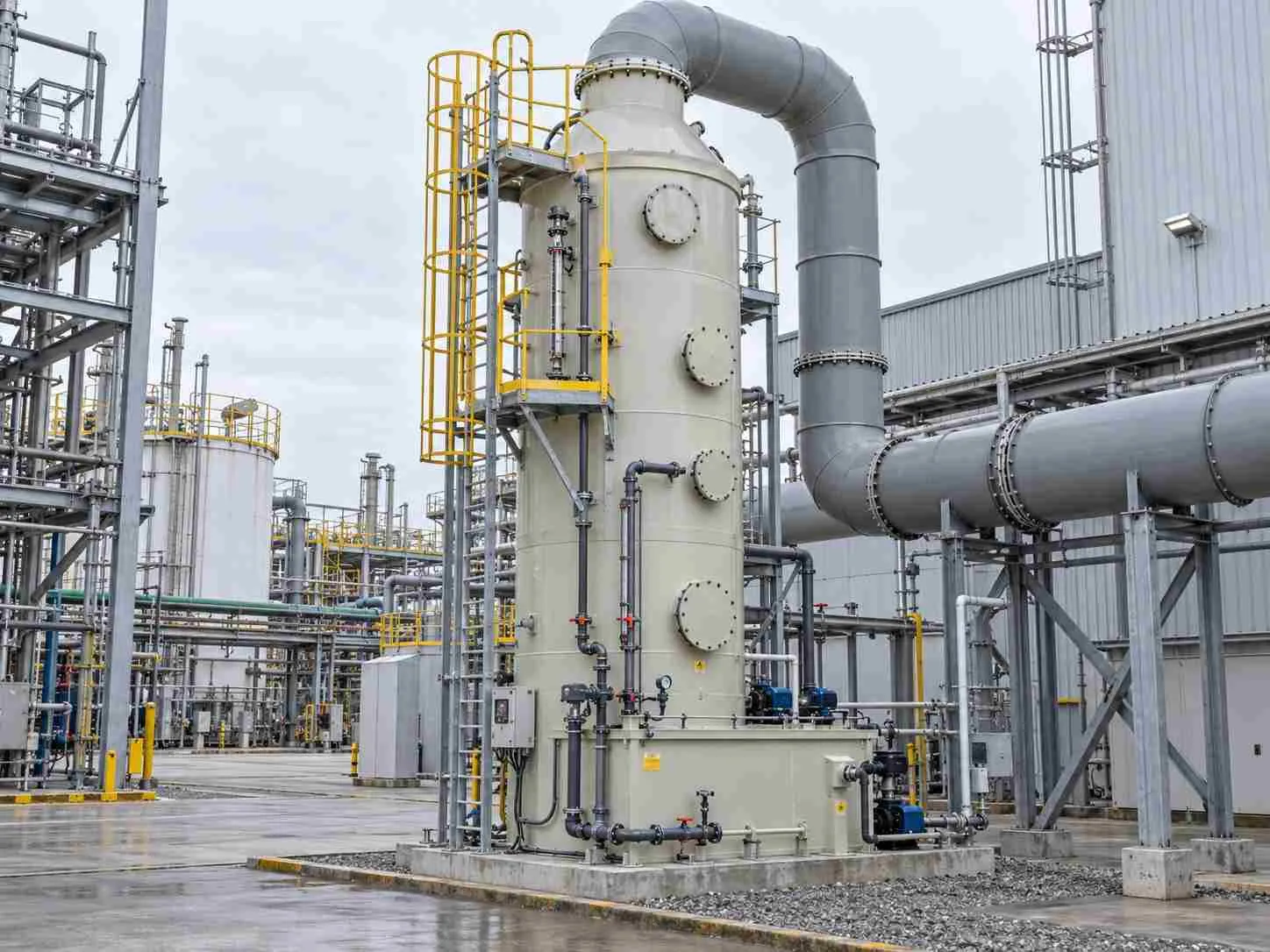
Illustrative application guidance for HCl fume treatment in a PP tower, covering gas–liquid contact, circulation, chemical management and a defined acceptance-test basis. No customer installation or measured performance is asserted.
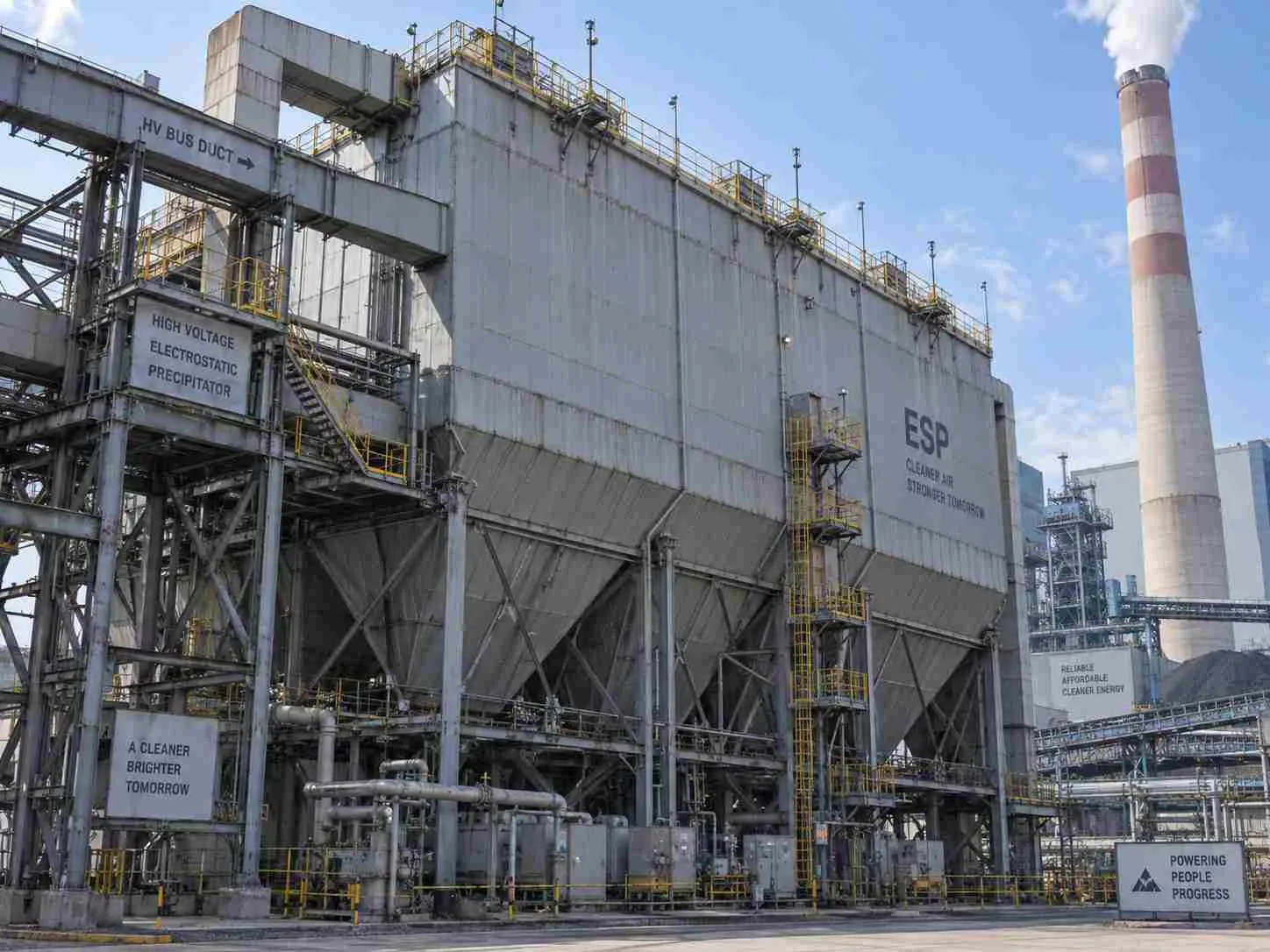
Boiler fly ash ESP emission verification must connect outlet particulate results with fuel, boiler load, actual gas flow, electrical field status and rapping conditions. Collecting area and idealized efficiency calculations help assess sensitivity, but they cannot certify an installed ESP’s emissions.
Senotay’s business philosophy centres on six stated principles: Integrity, Innovation, Quality, Effectiveness, Endeavour and Success. For an industrial filtration project, those principles are most useful when translated into clear specifications, agreed responsibilities and evidence that the delivered equipment meets the agreed scope.
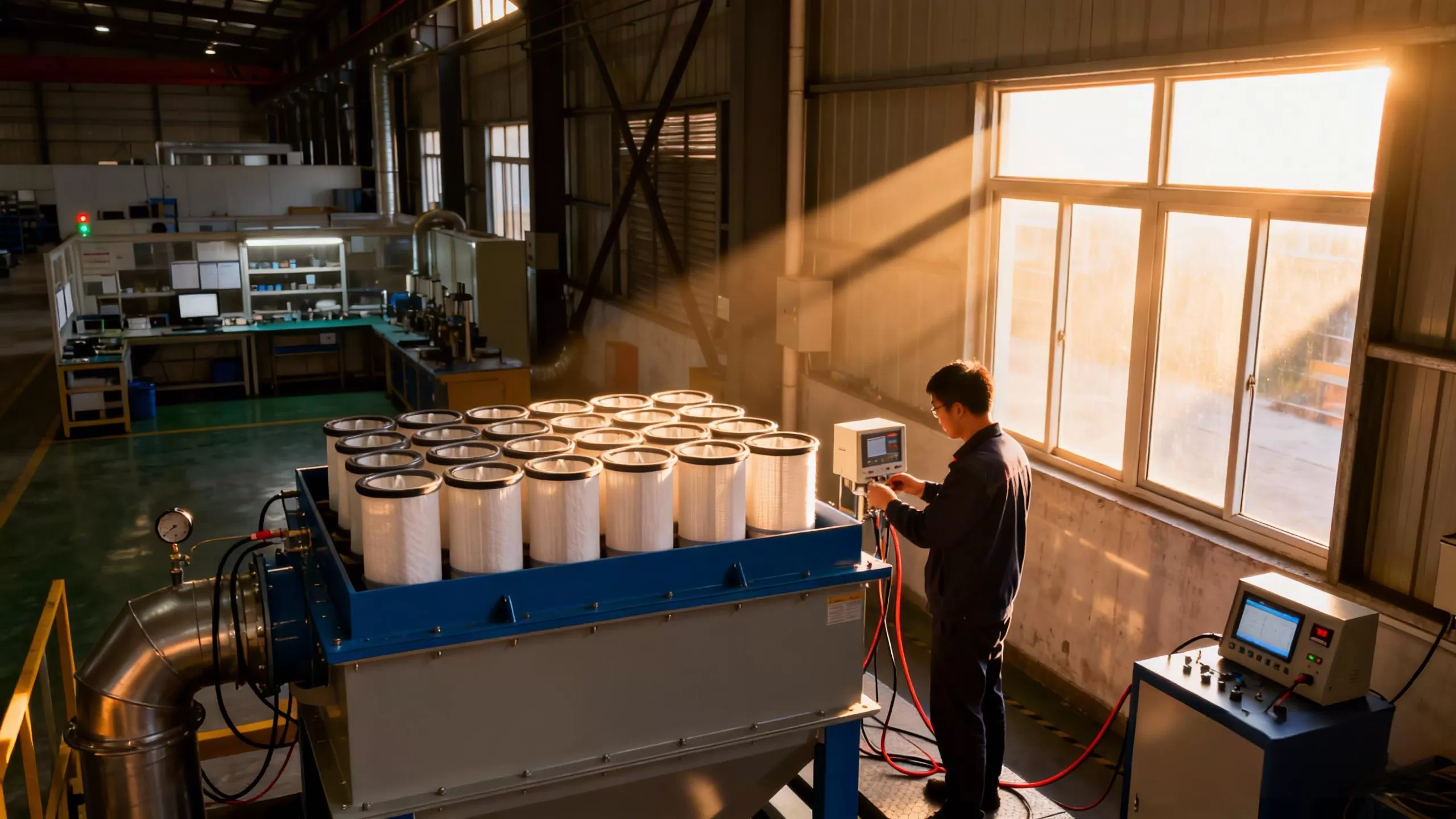
Dust collector manufacturing quality checks should connect the approved process duty to the equipment that is built, tested and delivered. A buyer needs a clear inspection plan, traceable records and defined acceptance criteria, not just a list of workshop activities.
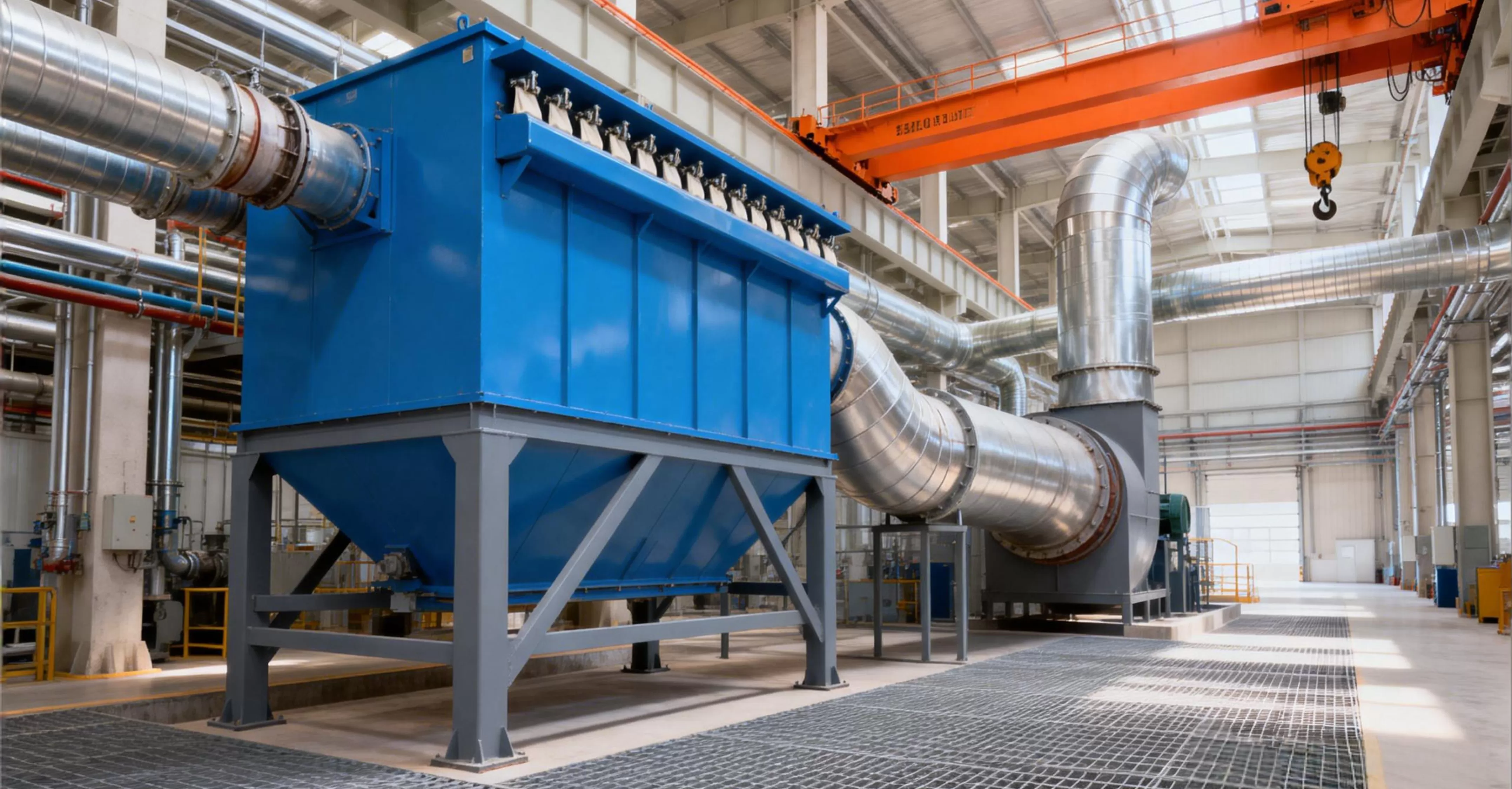
A single pulse bag filter can be considered for a local dust source when the required airflow, material and installation conditions suit the selected unit. For compact point-source collection, the main decision is how to capture the dust, filter the air, clean the bags and return or discharge collected material without creating another problem.