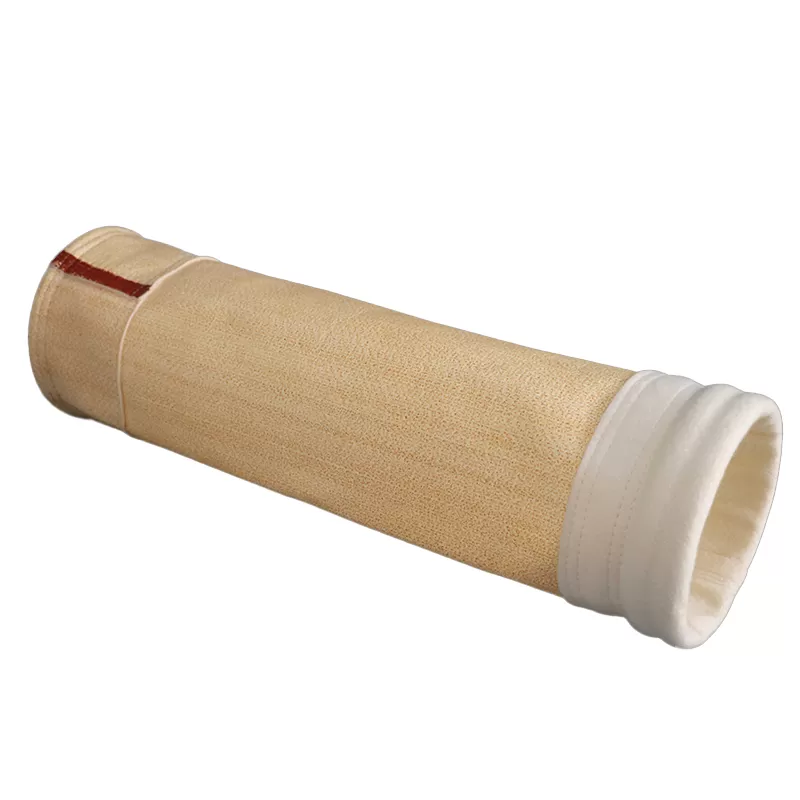
Acrylic PAN filter bags: material, moisture exposure and fit
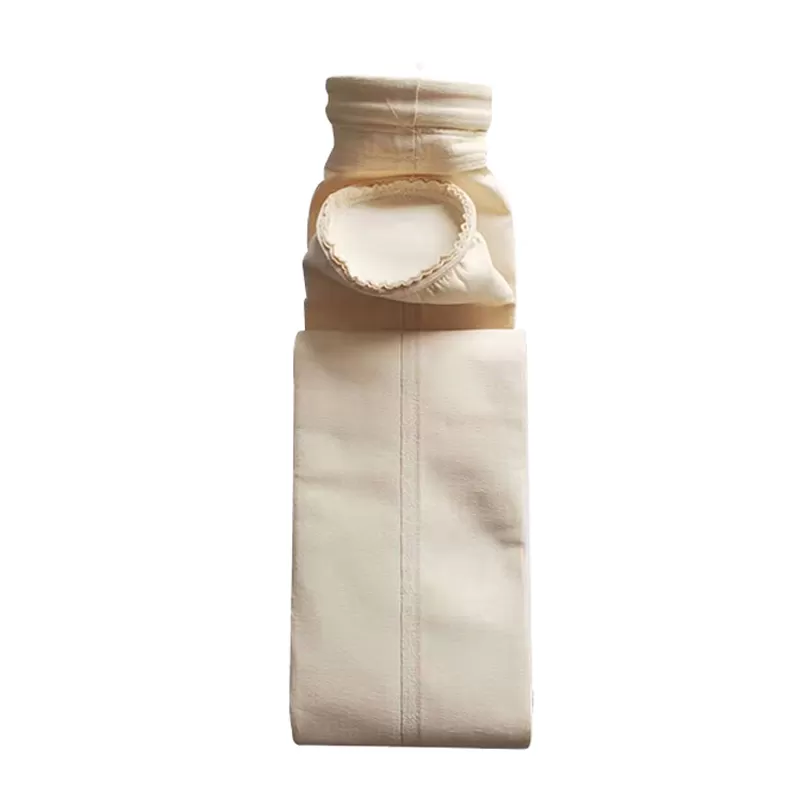
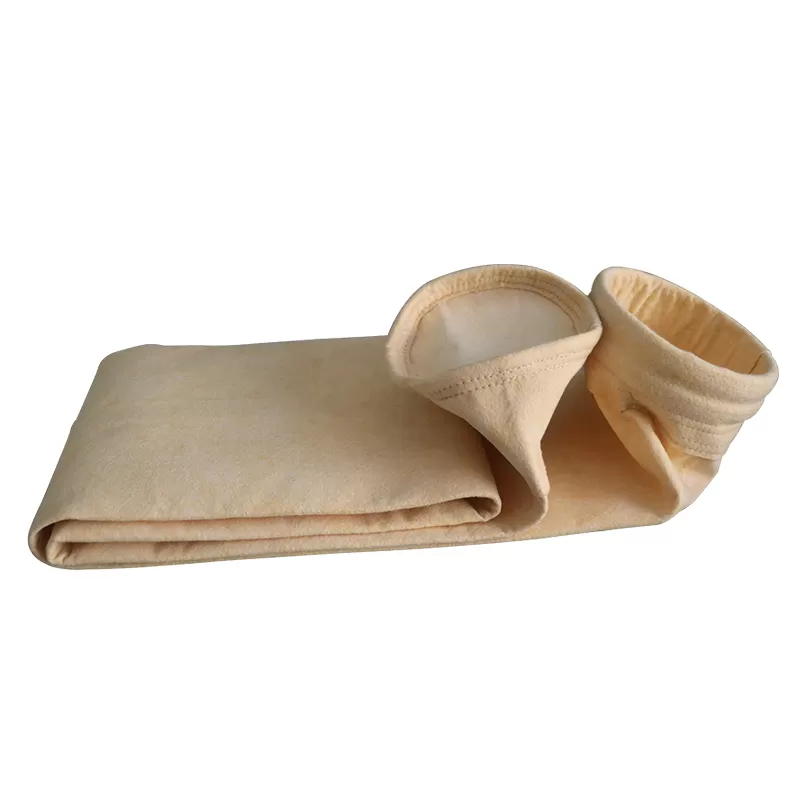
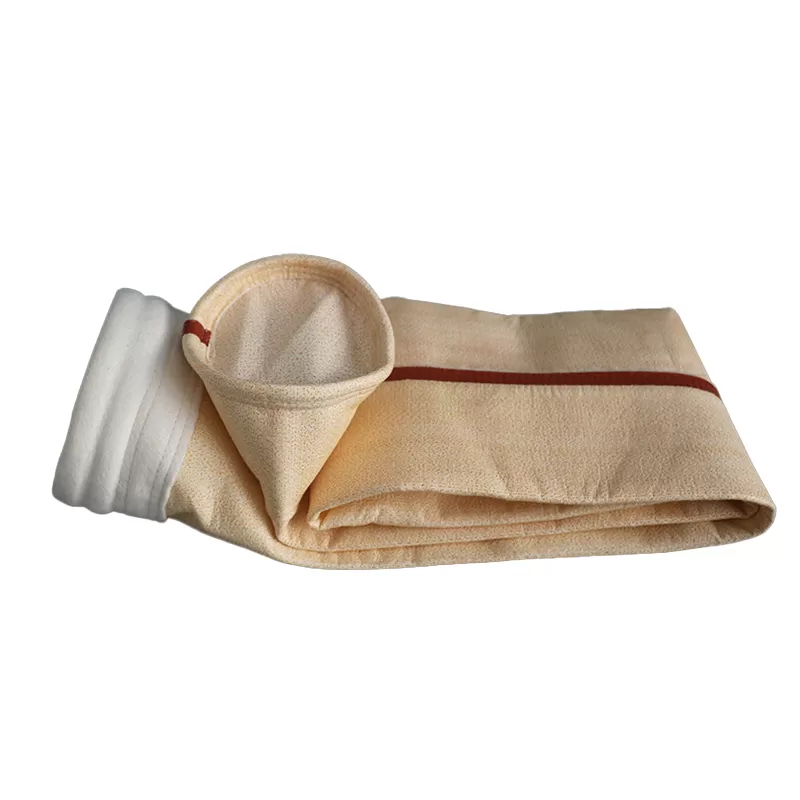
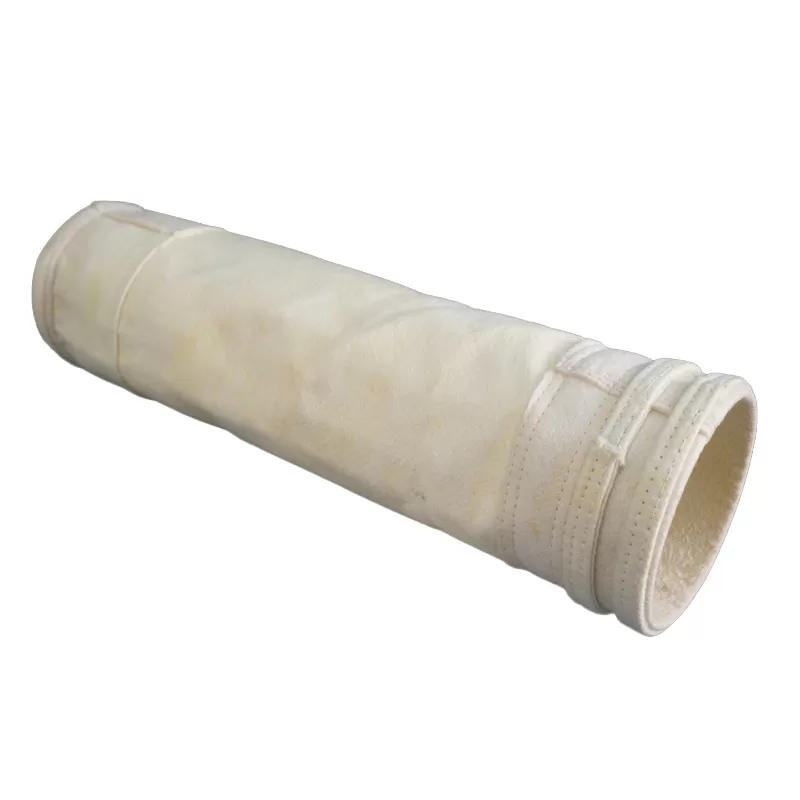
SENOTAY lists homopolymer acrylic needle-felt bags with several finish options for compatible industrial dust streams. Acrylic is a candidate where moisture exposure matters, but it does not prevent condensation, dust caking or chemical damage in every process.
500 ±10 g/m²
Listed base mass
40–70 L/m²/s
Permeability at 200 Pa
<140°C
Published base continuous reference
The base construction lists 160 °C as a transient reference; duration and frequency require confirmation. Alternative grade and infographic temperatures are not interchangeable.
Acrylic filter bag construction and material data
Base homopolymer PAN construction
The source’s waterproof/oil-proof/acid-proof wording describes proposed finishes, not immunity to condensation or chemicals.
product name: | Acrylic filter bag |
|---|
Fiber Type | Homopolymer Polyacrylonitrile |
Weight (g/ ㎡ ) | 500± 10 |
Thickness(mm) | 1.8-1.9 |
Tensile strength (N/5×20cm) | vertical | >1200 |
Weft | >1400 |
Air permeability (L/m2/s·200pa) | 40-70 |
Recommended operating temperature (℃) | <140 |
Instantaneous operating temperature (℃) | 160 |
Surface treatment process | Water/oil-repellent or chemical finish to specify |
AFB type and finish references
Retained codes and permeability values support quotation. Finish names do not establish food contact, anti-static-system safety or universal chemical compatibility.
Type No. | Air Permeability (L/m²/s) | Working Temp (°C) | Surface Treatment | Application Industry |
|---|
AFB-100 | 40 | Confirm grade-specific limit | Singed | Food Processing |
AFB-200 | 50 | Confirm grade-specific limit | Water-repellent finish | Cement Industry |
AFB-300 | 55 | Confirm grade-specific limit | Chemical finish to confirm | Chemical Plants |
AFB-400 | 60 | Confirm grade-specific limit | Oil-Repellent | Petrochemical |
AFB-500 | 68 | Confirm grade-specific limit | PTFE Coated | Pharmaceutical |
AFB-600 | 70 | Confirm grade-specific limit | Glazed Finish | Dust Collection Systems |
AFB-700 | 45 | Confirm grade-specific limit | Anti-static | Fertilizer Plants |
AFB-800 | 50 | Confirm grade-specific limit | Water-repellent / stabilized finish to confirm | Power Industry |
AFB-900 | 60 | Confirm grade-specific limit | Acid-Resistant | Foundry Industry |
AFB-1000 | 65 | Confirm grade-specific limit | Dual Layer Coated | Waste Gas Filtration |
Additional grade and inspection references
This is a separate grade comparison, not a single combined specification. The prior volumetric-permeability range cannot be reconciled with the 40–70 L/m²/s base result, so it must be confirmed rather than converted into a new rating.
Specification Parameter | Standard Value | Test Method | Premium Grade | Economy Grade |
|---|
Continuous Operating Temperature | ≤140°C | Specify applicable test/assessment | 140°C | 125°C |
Maximum Peak Temperature | 150°C | Specify applicable test/assessment | 160°C | 140°C |
Fabric Weight Tolerance | ±5% | Specify mass measurement and sampling method | ±3% | ±7% |
Thickness Tolerance | ±0.15 mm | ISO 9073-2 | ±0.10 mm | ±0.20 mm |
Air Permeability Range | Confirm grade and test differential | ISO 9237 | Confirm same test basis | Confirm same test basis |
Breaking Strength - Warp | >800 N/5×20cm | Applicable nonwoven test method to be agreed | >1000 N/5×20cm | >600 N/5×20cm |
Breaking Strength - Weft | >1200 N/5×20cm | Applicable nonwoven test method to be agreed | >1400 N/5×20cm | >1000 N/5×20cm |
Elongation at Break - Warp | 20-35% | Applicable nonwoven test method to be agreed | 25-35% | 20-40% |
Elongation at Break - Weft | 25-45% | Applicable nonwoven test method to be agreed | 30-45% | 25-50% |
Thermal Shrinkage @135°C | <2% | Internal Method | <1% | <3% |
Specify PAN textile, finish and operating environment
Homopolymer PAN identifies the fiber chemistry. It should not be confused with an acrylic plastic panel or with an unspecified acrylic blend. Request the medium, scrim, seam thread and finish together so compatibility is assessed for the supplied assembly.
Moisture resistance does not keep a baghouse above its dew point. Review water ingress, start-up/shutdown, saturated gas and deposits that can retain liquid. Name the chemicals and their concentrations rather than describing a gas only as “mildly acidic.” Water-repellent treatment can still be overcome by wet dust or condensate.
Cement handling, fertilizer and other industrial processes are possible uses when the duty is compatible. Food, pharmaceutical and combustible-dust applications need their own conformity and hazard documentation; an anti-static finish label alone is insufficient.
Use consistent permeability units
At200 Pa, the base 40–70 L/m²/s converts to 2.4–4.2 m³/m²/min using the factor 0.06. A different value in m³/m²/min must not be assumed equivalent merely because it appears in another table. Confirm grade, finish and measurement differential before comparing samples.
Mass500±10 g/m² corresponds to±2% about500 g/m²; it is not the same tolerance as the alternative±5% grade reference. Put the chosen specification and test sampling basis on the purchase order rather than combining the tightest values from different tables.
Fit checks and diagnosis during service
Record tube-sheet diameter/thickness, cuff profile, bag length, bottom reinforcement and cage diameter. Keep the selected tolerances on an approved drawing; the former general±0.5 mm marketing statement is not a universal production guarantee.
Use approved isolation before inspection. Check pressure drop at comparable flow and cleaning state, then examine pulse supply, hopper discharge and moisture deposits. Replace bags on the evidence of damage or unacceptable performance, not automatically after a generic 1.5–3 year interval. Ask whether any proposed cleaning or washing procedure is compatible with the exact finished medium.
Quality documents and order acceptance
Review the published ISO 9001, ISO 14001 and ISO 45001 management-system documents on our Quality Control page. They concern Hebei Outai’s management systems; they are not blanket certification of filter-bag performance or CE/ATEX approval.
Specify the exact fiber blend, backing, finish, seam thread and connection drawing. Agree fabric mass, permeability test differential, tensile specimen/orientation, dimensions and identification. State whether acceptance concerns a media coupon, a finished bag or the installed collector; these are different tests.
For technical coordination, use our technical support information. Inspection scope, test reports, warranty, delivery and site-service arrangements should be confirmed in the quotation, rather than inferred from a material name.
Acrylic PAN filter bag questions
Is this filter bag made from an acrylic sheet?
No. The listed material is homopolymer polyacrylonitrile textile fiber processed into filter media. The earlier thermoformed-sheet description was incorrect for this product.
Will acrylic prevent wet dust from blinding the filter?
No guarantee follows from the fiber name. Condensation, retained moisture, dust chemistry and cleaning can still produce deposits. Assess the gas conditions and finish together.
Which temperature should I specify?
Use the selected construction’s written continuous/transient limits. The listed base reference is below 140 °C continuous with 160 °C transient, but other grade references are not interchangeable and transient duration must be agreed.
Can I compare different permeability units directly?
Only after conversion and confirming the same test conditions. The base 40–70 L/m²/s at 200 Pa equals 2.4–4.2 m³/m²/min; it is not the same as the unassigned higher range formerly shown elsewhere.
Request acrylic bags for your moisture and dust conditions
For acrylic filter bags for moisture-prone dust collection, send bag/cage dimensions, quantity, normal and peak temperature, moisture/condensation history, named chemicals and dust details. Specify the required PAN grade, finish and material test basis in the RFQ.
Related components and media