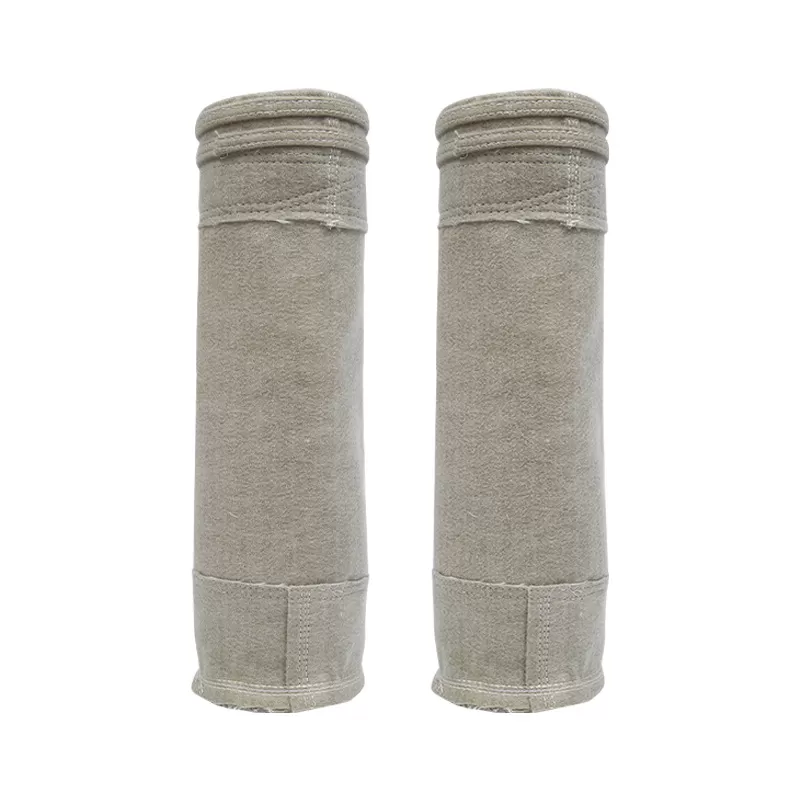
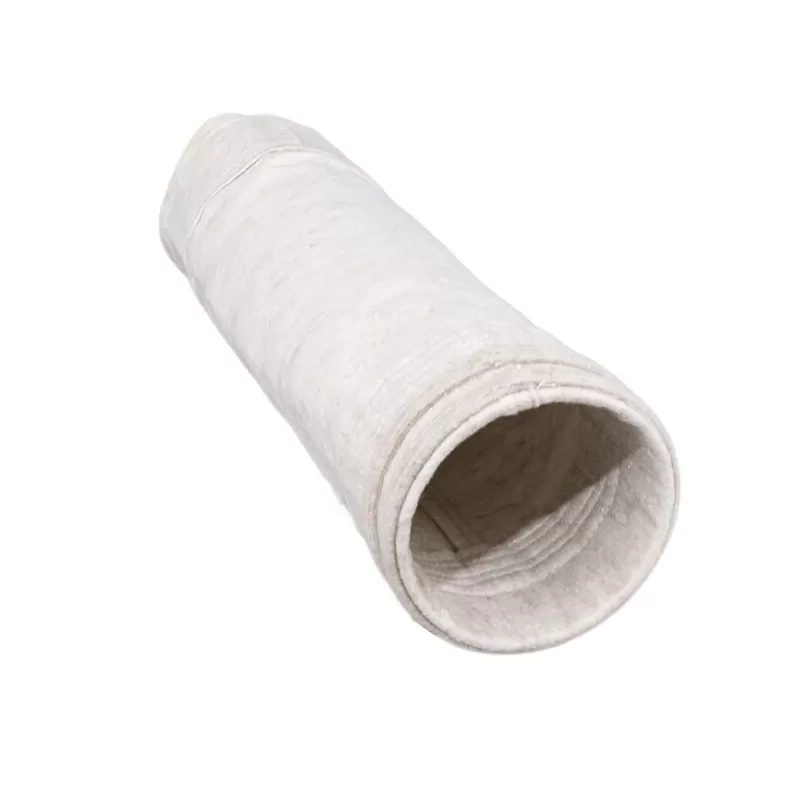
Spark-Immune, Extreme-Temperature Volcanic Rock Filter Media
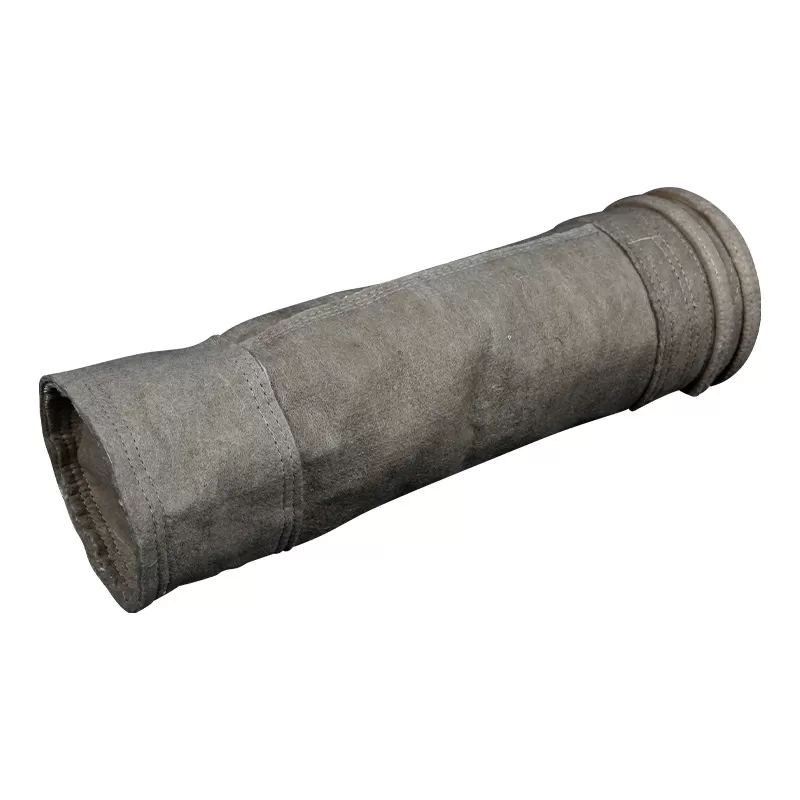
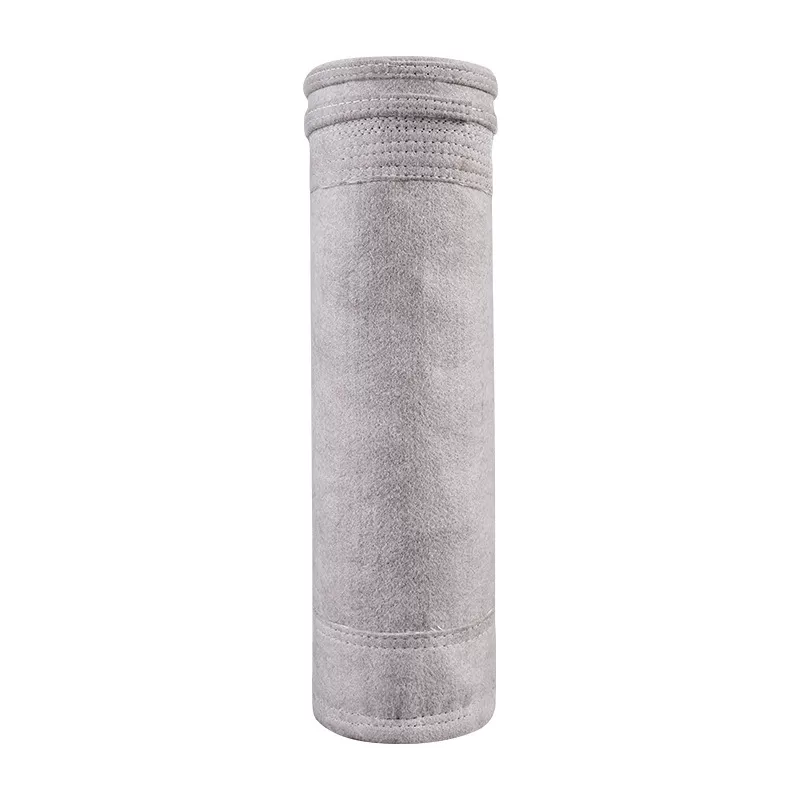
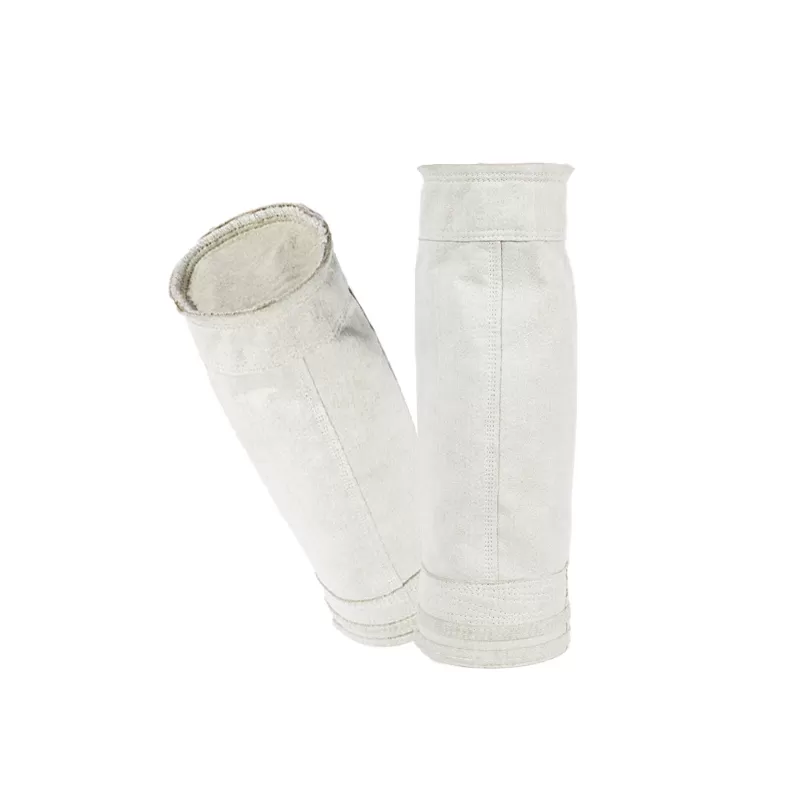
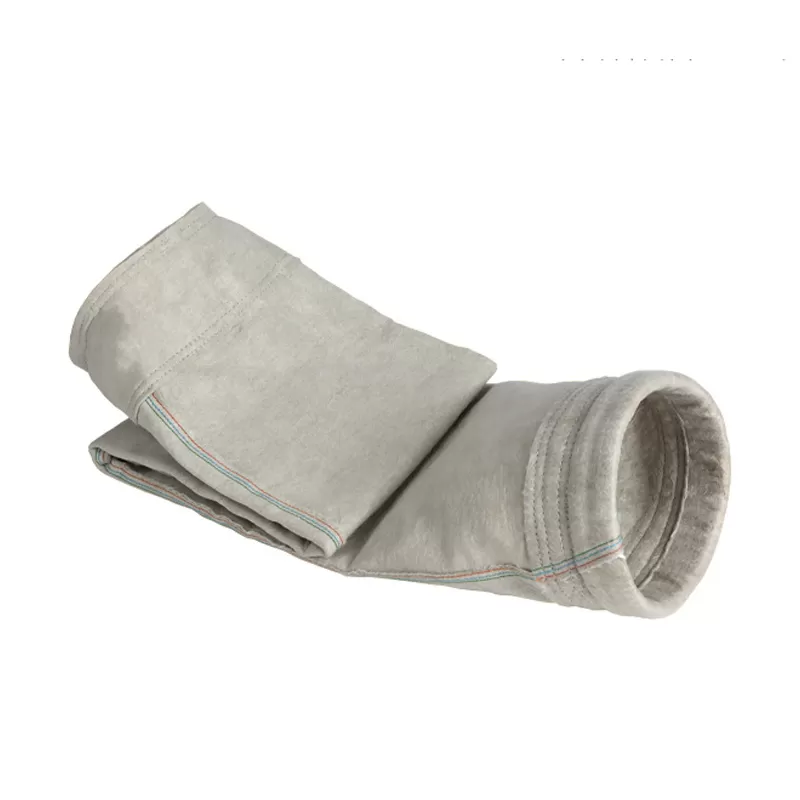
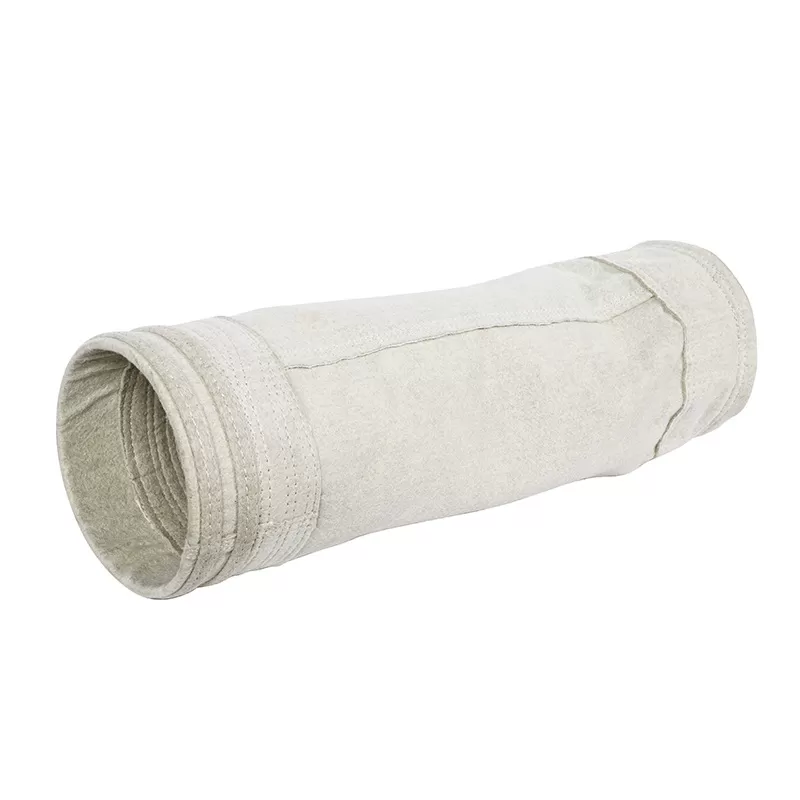
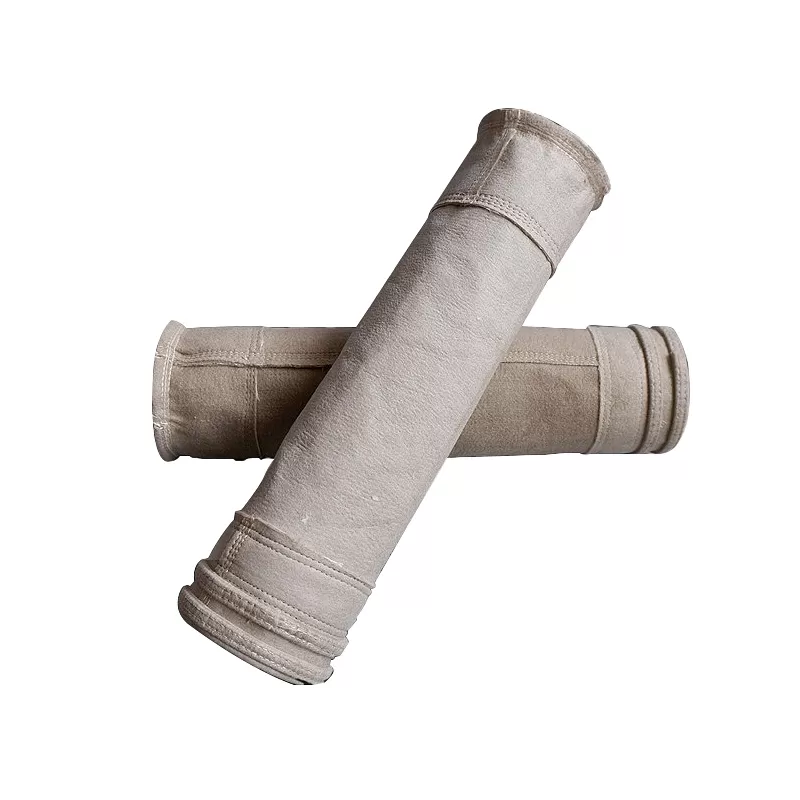
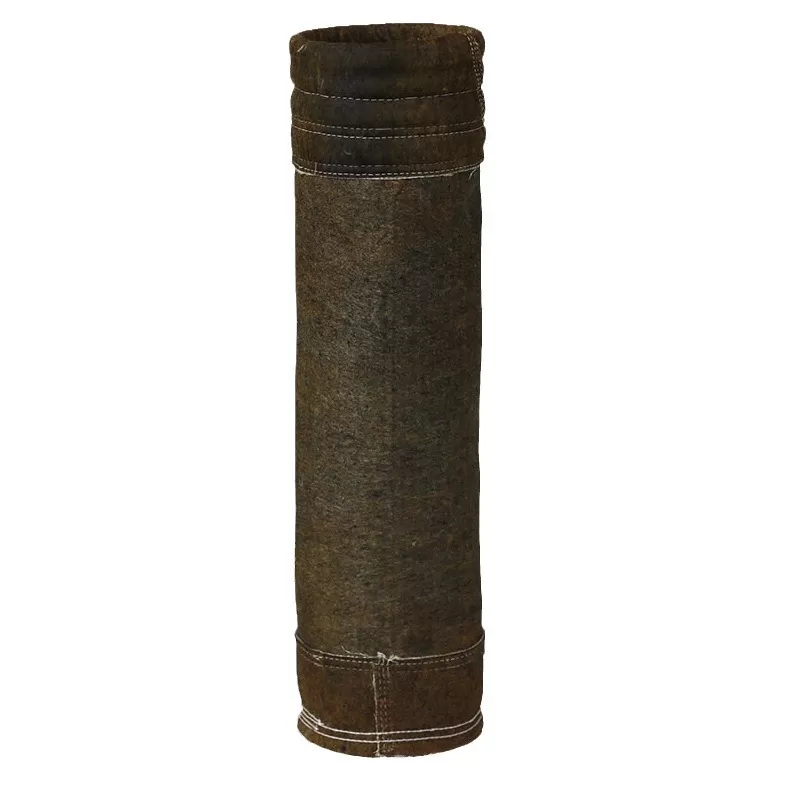
The Basalt Filter Bag (BFB Series) is an elite industrial dust filtration media spun entirely from natural volcanic rock fibers. Engineered for the most punishing high-temperature environments, it sustains continuous operation between 260°C and 300°C and can withstand transient heat spikes up to 350°C. Its defining characteristic—and its greatest advantage over synthetic media like Polyester or FMS—is its complete immunity to spark burn-through. Because basalt melts at over 1,000°C, glowing embers passing into the baghouse will not ignite the media. This makes it the ultimate, fire-safe choice for biomass power plants, waste incinerators, and metal smelting operations.
Featured Material Blends
BFB-90/10 | Power Generation Bag
Composition: 90% Basalt / 10% Glass | Max Temp: 270°C (Surge 290°C) | Treatment: Anti-Static
Engineered to prevent static charge buildup in high-volume utility power generation and coal boilers.
BFB-85/15 | Waste Incineration Bag
Composition: 85% Basalt / 15% P84 | Max Temp: 280°C (Surge 300°C) | Treatment: Water Repellent
Blended with P84 fibers to increase surface area and treated to repel moisture in municipal waste incinerators.
BFB-100% (HT) | Extreme Heat & Glass Manufacturing
Composition: 100% Basalt | Max Temp: 300°C (Surge 350°C) | Treatment: Heat Stabilized
The highest temperature rating available, designed specifically for glass manufacturing and extreme-heat smelting.
Key Technical Specifications
Heavy-duty 900±20 g/m² needle-punched felt with a thickness of 2.0–2.5 mm, spun from continuous basalt filaments rather than staple fibers to enhance dust release. Achieves >99.9% filtration efficiency (capturing particles down to 0.5μm) with high air permeability of 100–200 L/m²/s (@200Pa). Standard hot-pressed PTFE film creates a hydrophobic (water-repellent) and oleophobic (oil-repellent) surface, preventing sticky dust from blinding the pores.
Why should industry choose Basalt Filter Bag?
Complete Spark & Burn Immunity: Spun from 100% natural volcanic mineral fibers with a melting point over 1000°C, eliminating baghouse fire risks from ember carryover in biomass, incineration, or smelting operations.
Higher Continuous & Surge Heat Capacity: Handles continuous working temperatures of 260°C to 300°C with short-term spike resistance up to 350°C, exceeding the thermal limits of standard polyester and FMS composite media.
Exceptional Tensile Strength & Stability: Features extremely high fracture strength (>3900 N meridional) and minimal thermal elongation, maintaining bag dimension and structural integrity without stretching or tearing during pulse-jet cleaning.
Hydrophobic & Chemical Resistance: Naturally resists moisture absorption to prevent mud-blinding in high-humidity gas streams, while offering broad chemical resistance across acidic and alkaline flue gases.
Sub-Micron Filtration Efficiency: Dense fiber structure traps over 99.9% of dust particles down to 0.5 µm while providing balanced air permeability (100–200 L/m²/s) to maintain low operational pressure drop.
Why Leading Plants Choose SENOTAY Basalt Filter Bag
Factory-Direct Pricing. Certified Quality. Dedicated Support.
Best Price Guarantee
Certified & Compliant
Fast, Reliable Delivery
Comprehensive After-Sales Support
Lifetime Technical Support: Engineering assistance for pulse-jet pressure calibration, air-to-cloth ratios, and gas chemistry compatibility under extreme heat.
Full System/Parts Availability: Direct factory access to matching structural support components, including high-temperature stainless steel or silicone-coated filter cages.
Remote Troubleshooting: Fast diagnostic response for field issues such as unexpected pressure drops, localized abrasive wear, or structural tension adjustments.
Trusted by industrial environmental equipment and air filtration plants worldwide. Ready for yours.
Types of Basalt Filter Bags Analysis
TYPE NUMBER | COMPOSITION | TEMPERATURE RATING (°C) | SPECIAL TREATMENT | PRIMARY APPLICATION |
BFB-100% | 100% Basalt | Continuous 260 / Peak 280 | Standard | Cement kilns, general industrial |
BFB-85/15 | 85% Basalt / 15% P84 | Continuous 280 / Peak 300 | Water repellent | Waste incineration |
BFB-70/30 | 70% Basalt / 30% PTFE | Continuous 280 / Peak 300 | PTFE membrane | Chemical processing |
BFB-90/10 | 90% Basalt / 10% Glass | Continuous 270 / Peak 290 | Anti-static | Power generation |
BFB-100% (AR) | 100% Basalt | Continuous 290 / Peak 320 | High abrasion resistant | Metallurgical processes |
BFB-75/25 | 75% Basalt / 25% P84 | Continuous 290 / Peak 320 | Acid resistant | Metal smelting |
BFB-60/40 | 60% Basalt / 40% PTFE | Continuous 290 / Peak 320 | Hydrophobic | Pharmaceutical processing |
BFB-80/20 | 80% Basalt / 20% Aramid | Continuous 270 / Peak 290 | Oil repellent | Wood processing |
BFB-100% (HT) | 100% Basalt | Continuous 300 / Peak 350 | High temperature stabilized | Glass manufacturing |
BFB-65/35 | 65% Basalt / 35% PTFE | Continuous 300 / Peak 350 | Complete chemical resistant | Petrochemical refining |
Technical Specifications
PARAMETER | STANDARD VALUE | TEST METHOD | APPLICATION RANGE | NOTES |
Fiber Type | Basalt | Visual inspection | All types | May include composite materials |
Weight | 900±20 g/m² | ISO 9073-1 | 800-1000 g/m² | Higher weights for abrasive applications |
Thickness | 2.0-2.5 mm | ISO 9073-2 | 1.8-3.0 mm | Measured at 200 Pa pressure |
Meridional Tensile | >3900 N/5×20cm | ISO 9073-3 | 3500-4500 N | Room temperature |
Latitudinal Tensile | >3300 N/5×20cm | ISO 9073-3 | 3000-4000 N | Room temperature |
Air Permeability | 100-200 L/m²/s | ISO 9237 | 80-250 L/m²/s | At 200 Pa pressure |
Continuous Temp | ≤300°C | ASTM D6413 | 260-300°C | Varies by composite |
Peak Temp | 350°C | ASTM D6413 | 320-350°C | Short-term exposure |
Filtration Efficiency | >99.9% | EN 1822 | @ 0.5μm particles | Depends on surface treatment |
Minimum Bend Radius | 50mm | Internal test | Application specific | Critical for installation |
Specification of Basalt Filter Bag
product name | Basalt filter bag |
Fiber Type | Basalt fiber |
Weight (g/ ㎡ ) | 900± 20 |
Thickness(mm) | 2-2.5 |
Tensile strength (N/5×20cm) | Meridian direction | >3900 |
WeftLatitudinal direction
| >3300 |
Air permeability (L/m2/s·200pa) | 100-200 |
Recommended operating temperature
(℃) | <300 |
Instantaneous operating temperature
(℃) | 350 |
Surface treatment process
| Hot pressed PTFE film, water and oil repellent surface |
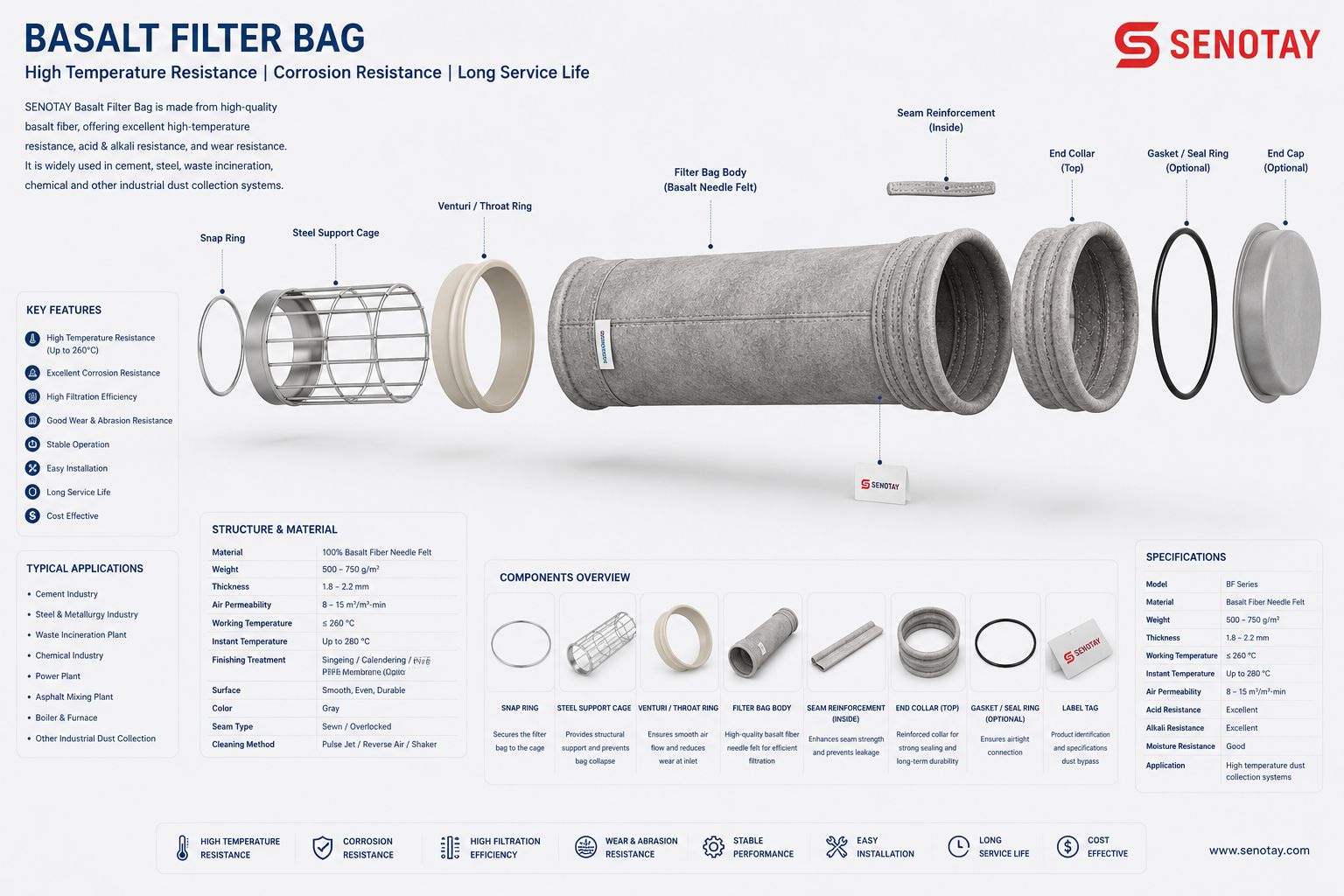
What are the Special Production Processes for Basalt Filter Bags?
The superior quality of our Basalt Filter Bags is a direct result of our specialized manufacturing techniques:
· High-Purity Raw Material Selection: We source only the highest grade of basalt rock to ensure consistent fiber quality.
· Advanced Fiber Spinning: The basalt rock is melted in furnaces at over 1,400°C and spun into continuous filaments, which provide greater tensile strength and dust release properties compared to staple fibers.
· Precision Needle Punching: Our state-of-the-art needle looms create a uniform and stable felt structure with optimal porosity for high filtration efficiency and low-pressure drop.
· Specialized Finishing Treatments:
o Heat Setting: The fabric is heat-set under tension to ensure dimensional stability during operation, preventing bag shrinkage or elongation.
o PTFE Coating (Optional): We offer a protective PTFE membrane coating for ultra-high filtration efficiency (>99.99%) and enhanced dust release for sticky, fine dust.
Features of Basalt Filter Bag
Basalt filter bag is a kind of high temperature filter material product, which is made of basalt fibre as the main raw material and filter material through special process. Basalt filter bag has the following features and advantages:
High temperature resistance: basalt filter bag can be used for a long time in a high temperature environment, according to different manufacturing processes and formulations, its temperature resistance level can reach 350 ℃, to fill the international high temperature synthetic fibre needle punched filter media blank.
High mechanical strength: basalt fibre itself is high strength, made of filter bags are generally more than 3000N fracture strength, able to withstand large mechanical loads.
Dimensional stability: Due to the low elongation of basalt fibre, the filter bag size is stable and not easy to deform due to temperature change or mechanical vibration.
Corrosion resistance: basalt filter bag has good corrosion resistance, can be used in acid, alkali atmosphere of the gas, suitable for a variety of industrial environments.
High filtration efficiency: the filter bag has smooth surface, good air permeability, low no-load pressure loss, high dust collection efficiency, and good filtration effect on dust particles below 0.5mm in diameter.
Strong adaptability: Basalt filter bag has strong adaptability to the concentration of dust content in flue gas, handling large amount of dust, convenient operation and maintenance, and easy to clear dust.
Long service life: due to the performance advantages of the material itself and the special manufacturing process, the basalt filter bag has a long service life.
Material in addition to basalt fibre, may also be compounded with glass fibre, P84, PTFE, etc., in order to adapt to different working conditions, can meet the needs of industrial dust removal and flue gas purification.
Overall, basalt filter bag as a new type of high temperature filter material, in the iron and steel, electric power, chemical industry and other industries of high temperature flue gas dedusting and purification has a wide range of application prospects.
What are the Advantages of Basalt Filter Bags?
Basalt Filter Bags provide significant benefits over other high-temperature filter media like fiberglass or P84®.
· Exceptional Temperature Resistance: Withstands continuous high temperatures, protecting your system from thermal damage.
· Superior Chemical Resistance: Excellent resistance to most acids and alkalis, ensuring longevity in corrosive environments.
· High Mechanical Strength: Excellent resistance to abrasion, vibration, and pulsing, leading to a longer bag life.
· Great Filtration Efficiency: The fine, continuous fibers create a dense felt that captures sub-micron dust particles effectively.
· Hydrophobic & Non-Hygroscopic: Does not absorb moisture, preventing clogging and maintaining a low pressure drop in humid conditions.
· Environmentally Friendly: Made from natural basalt rock, a sustainable and abundant resource.
Technical Support and Implementation Services
At Senotay, we understand that superior filtration products require expert implementation to achieve optimal results. Our comprehensive technical support services include:
Baghouse Assessment: On-site evaluation of your current filtration system to identify improvement opportunities
Performance Analysis: Detailed review of your operational parameters to recommend the ideal filter media solution
Operational Training: Comprehensive training for your maintenance staff on proper handling, installation, and care of Basalt Filter Bags
Performance Monitoring: Ongoing support with regular check-ins to verify optimal operation and address any concerns
Troubleshooting Assistance: Rapid response technical support for any operational challenges that may arise
Our commitment extends beyond the sale where we partner with you to ensure your filtration system delivers peak performance throughout its operational life.
▪ Dust Filter Bag
▪ Polyester Filter Bag | FMS Filter Bag | Basalt Filter Bag | Nomex Filter Bag |
PTFE Filter Bag | Acrylic Filter Bag | Fiberglass Filter Bag | P84 Filter Bag | PPS Filter Bag
▪ Dust Collector Bag Cage
▪ Dust Collector Bag Cage | Galvanized Bag Cage | Silicone Bag Cage | Trapezoidal Bag Cage | Envelope Bag Cage | Cage Venturi Tube
▪ Dust filter element
▪ Air Filter Element | Top-mounted Dust Filter Element | Oblique-insert Dust Filter Element |
Lifting Dust Filter Element | Six-Ear Quick-release Dust Filter Element | Threaded Dust Filter Element | Flange Dust Filter Element
▪ Electromagnetic pulse valve
▪ DMF-Z Right Angle Solenoid Pulse Valve | DMF-Y Submerged Electromagnetic Pulse Valve
▪ Industrial Electric Precipitation Accessories
▪ Cathode Wire | Dust Collecting Plate | Vibrating Hammer | Bearing In Dust | Electrostatic Precipitator Porcelain Sleeve
Basalt Filter Bags: Quick FAQ
Q1: What exactly is a Basalt filter bag material?
Basalt filter bags are fabricated from 100% natural volcanic basalt rock that is melted at temperatures exceeding 1400°C and drawn into continuous filaments. These mineral fibers are then punched into a heavy-duty needle felt matrix, providing a completely natural, high-density alternative to synthetic polymers.
Q2: What is the maximum operating temperature threshold?
Basalt filter bags deliver an incredible thermal range, maintaining a reliable continuous operating temperature of up to 260°C (500°F), with short-term dry-heat surge limits reaching 300°C (572°F). They stay completely stable and will not deform or melt under extreme high-heat exhaust conditions.
Q3: How do Basalt filter bags compare to pure fiberglass media?
While both are mineral-based, basalt fibers offer superior structural performance over standard fiberglass:
Higher Tensile Strength: Basalt fibers possess raw tensile strength ratings significantly greater than E-glass fibers.
Flex Wear Resistance: Basalt is less brittle than glass filaments, vastly reducing fiber fracturing and punctures caused by continuous pulse-jet mechanical shaking.
Q4: What is the chemical and acid resistance profile?
Basalt filter elements offer excellent chemical stability across a operational window of pH 3 to pH 11. They demonstrate outstanding resistance to mineral acids, sulfur compounds, and alkaline flue gases, preventing early chemical breakdown in harsh coal-fired boilers or biomass plant emissions.
Q5: Are Basalt filter bags completely non-combustible?
Yes. Because they are derived entirely from volcanic rock, basalt fibers are inherently non-combustible and have a melting point exceeding 1000°C. They offer absolute immunity to spark burn-through, eliminating the fire risks commonly associated with synthetic bags like Nomex or polyester when glowing embers enter the dust collector.
Q6: What are the standard physical manufacturing tolerances?
To ensure a completely airtight seal against the baghouse tubesheet and prevent particle bypass, precision production lines manufacture these bags to strict industrial tolerances of ±0.5mm on the steel snap-band diameter and ±10mm on the overall flat bag length.
Q7: Which surface treatments are applied to Basalt needle felts?
PTFE Bath Coating: Impregnates the volcanic fiber matrix to create a protective barrier against moisture-driven acid hydrolysis.
ePTFE Membrane: Laminates a micro-porous membrane to the surface, boosting filtration efficiency to capture PM2.5 particles down to emission outputs under 5 mg/Nm³.
Q8: What specifications are needed to request a factory price quote?
When submitting a B2B procurement request for senotay.com, please provide your cell plate hole diameter, total flat length, top snap-band type (e.g., carbon steel, stainless steel, or double-beaded rubber), and the exact dust composition or gas chemistry of your application.