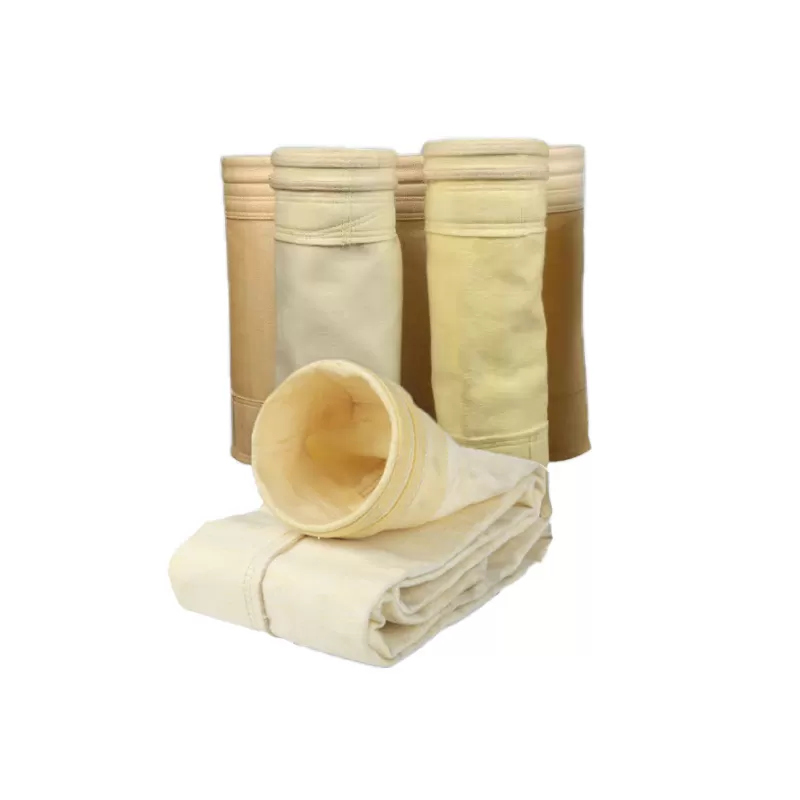
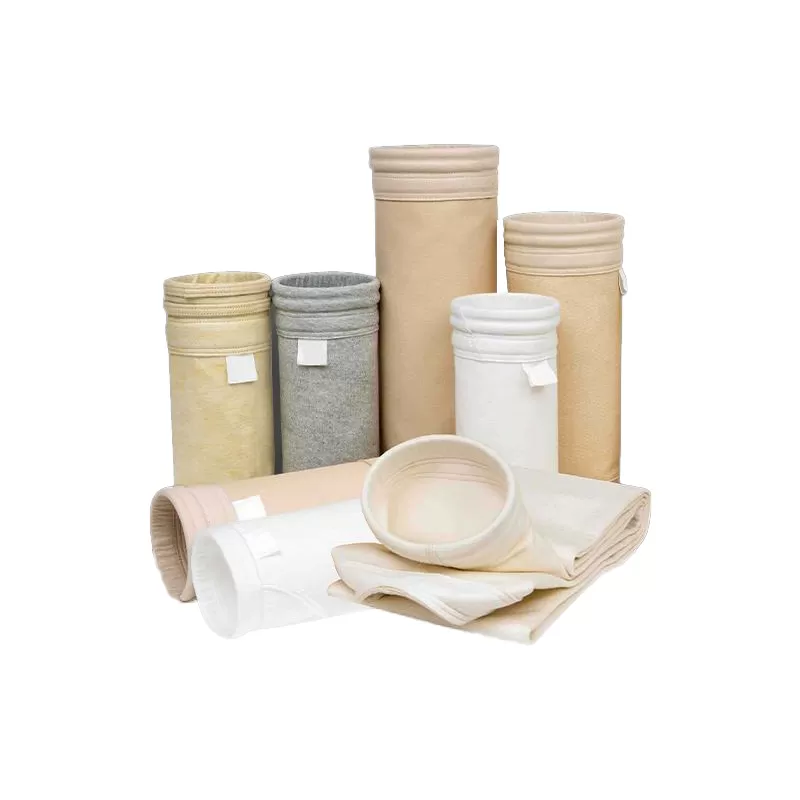
High-Temperature, Broad Chemical Resistance Industrial Filter Media
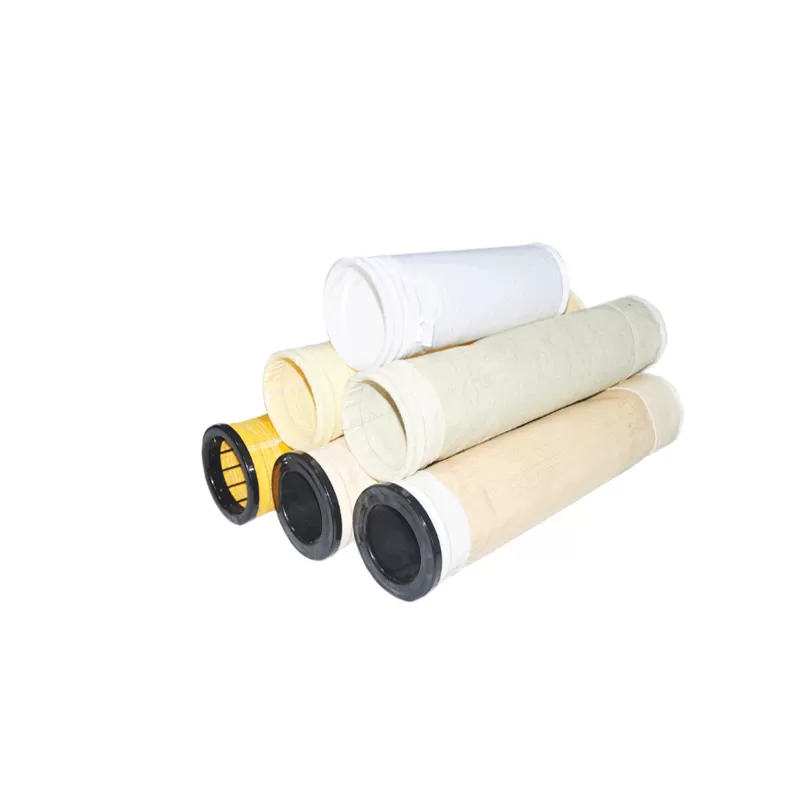
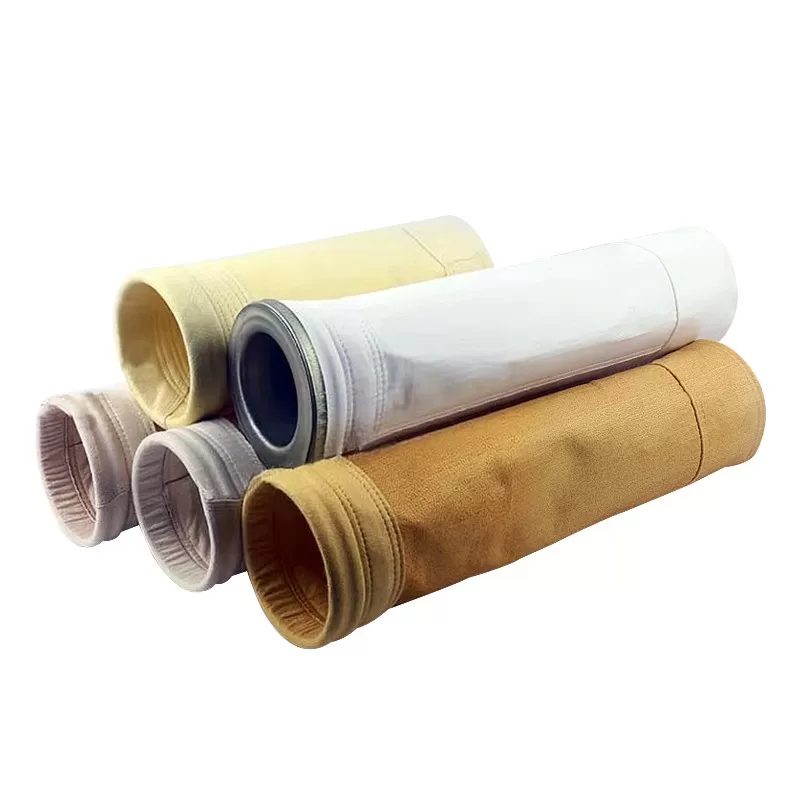
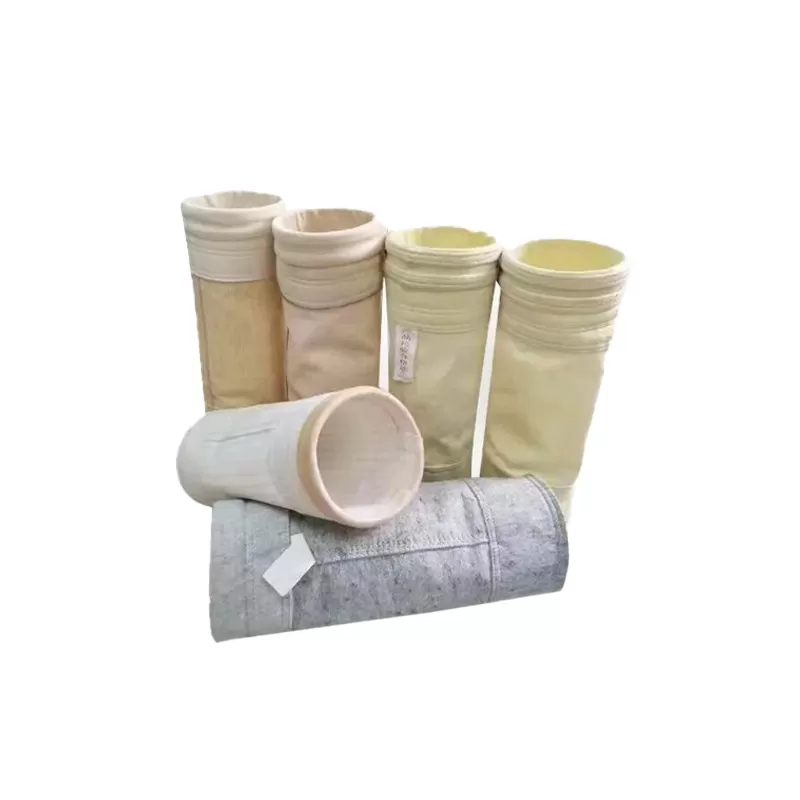
The PPS Filter Bag (Polyphenylene Sulfide) is a high-performance industrial filtration media engineered specifically for heavy-duty environments where chemical tolerance is just as critical as heat resistance. While it trades the extreme temperature ceiling of FMS or Basalt bags for a continuous operating range of 170°C to 190°C, it offers a vastly broader chemical resistance window (spanning pH 2 to 12). Its remarkably low moisture absorption (<0.2%) makes it virtually immune to hydrolytic degradation, establishing it as the premier choice for waste-to-energy plants, metallurgical sintering, and chemical processing facilities dealing with highly humid, acidic, and alkaline flue gases.
Core System Advantages
Exceptional Hydrolytic Stability: With moisture absorption below 0.2%, PPS fibers exhibit a hydrolytic mass loss of less than 1%. This prevents the rapid fiber breakdown that destroys standard polyester or acrylic bags in wet, corrosive gas streams.
High Thermal & Dimensional Stability: Operates continuously at up to 190°C (with transient spikes to 220°C) while maintaining thermal shrinkage below 3%. The pore structure remains stable under continuous thermal cycling, ensuring consistent differential pressure.
Featured Model Configurations
PPS Woven Fabric
Micron Rating: 5–50 µm | Temp Rating: 150–170°C | Surface: Calendered
A structurally rigid woven option utilized for bulk material sieving and coarse dust extraction.
PPS + ePTFE Membrane Laminate
Micron Rating: 0.1–0.5 µm | Temp Rating: 140–170°C | Surface: ePTFE Film
The highest efficiency configuration, capturing sub-micron particulate for stringent pharmaceutical and food-grade applications while maintaining low pressure drop
Why Choose PPS Filter Bag?
Choose SENOTAY PPS Filter Bags if your process generates high-moisture, acid-laden flue gas operating continuously at temperatures up to 190°C (220°C peak), where lower-temp synthetics degrade from hydrolysis and high-temp mineral felts are unnecessary.
Broad Chemical Resistance (pH 2–12): Delivers outstanding tolerance to acids, alkalis, and organic solvents, outperforming Nomex in corrosive flue gases carrying sulfur and chemical vapors.
Near-Zero Hydrolytic Degradation: Absorbs less than 0.2% moisture with under 1% hydrolytic mass loss, preventing premature fiber breakdown and blinding in humid exhaust streams.
Stable Thermal Performance (170°C–190°C): Maintains structural integrity and tight dimensional tolerance (under 3% thermal shrinkage) under continuous medium-to-high heat cycling.
Sub-Micron Membrane Upgrades: Available with PTFE or ePTFE membrane laminates to capture fine particulates (0.1–0.5 µm) while ensuring rapid dust cake release and low pressure drop.
Proven Coal & Waste Boiler Reliability: Trusted across coal/biomass power plants, waste-to-energy incinerators, cement clinker production, and metallurgical sintering units
Why Leading Plants Choose SENOTAY
Factory-Direct Pricing. Certified Quality. Dedicated Support.
Best Price Guarantee
Certified & Compliant
Fast, Reliable Delivery
What is PPS fiber?
Polyphenylene Sulfide (PPS) is a semi-crystalline, high-performance engineering polymer. PPS fiber used in filter media is produced to withstand continuous high temperatures (typically up to 170–200°C in service), retain structural integrity in corrosive environments, and resist acids, alkalis and organic solvents. PPS fibers are commonly processed into needle-felt, woven and membrane-laminated fabrics to meet specific filtration needs.
Main features of PPS filter
High thermal stability: Continuous operating temperatures up to ~170–200°C and short-term resistance to higher temperatures.
Excellent chemical resistance: Stable against most acids, alkalis and organic solvents (except powerful oxidizers).
Low thermal shrinkage and dimensional stability: Keeps pore structure under heat cycling.
Good dust cake release: Facilitates pulse-jet cleaning and longer bag life.
Low moisture absorption: Reduced risk of hydrolysis and clogging in humid conditions.
High filtration efficiency: Fine particle capture with consistent airflow and low pressure drop.
Available surface treatments: PTFE/ePTFE membrane laminates, silicone-free finishes, anti-static treatment and oleophobic/hydrophobic options.
PPS filter fabric manufacturer
Hebei OuTai is an experienced PPS filter fabric manufacturer in China, with production lines that produce needle-felt, woven fabrics and membrane-laminated PPS media. We control raw material quality, fabric formation, needling density and finishing treatments to ensure each filter bag meets client specifications for efficiency, temperature rating, dust load and mechanical durability. Custom sizes, cuff types, and finish treatments are available to match retrofit and new-system requirements.
Standard Certificates
ISO 9001:2015 — Quality Management System
Cert. No.: Available on request
Scope: Design, manufacture and supply of industrial filter media and filter bags.
CE Declaration of Conformity (where applicable for exported equipment/assemblies)
SGS / Intertek Laboratory Test Reports
Report No.: Available on request
Typical tests: Air permeability, tensile strength, ash content, thermal shrinkage, chemical resistance.
RoHS / REACH Compliance Statement
Types of PPS Filter Bag — comparison table
Type (No.) | Construction | Typical Micron Rating | Max Continuous Temp (°C) | Typical Application |
1 | Standard PPS Needle-felt | 1–10 µm | 170–180 | Cement, clinker dust |
2 | PPS Woven Fabric | 5–50 µm | 150–170 | Bulk material sieving, coarse dust |
3 | PPS + PTFE Membrane Laminate | 0.1–1 µm | 140–170 | Fine dust, high efficiency pulse systems |
4 | Silicon-free PPS Felt | 1–10 µm | 170–180 | Foundries, paint booths (silicone-sensitive) |
5 | Anti-static PPS Felt | 1–10 µm | 150–170 | Carbon black, coal plants |
6 | High-Temp PPS Felt (enhanced) | 1–10 µm | 180–200 | Incinerators, heat-recovery systems |
7 | PPS with ePTFE Membrane | 0.1–0.5 µm | 140–170 | Pharmaceutical, food grade (low migration) |
8 | Oleophobic/Water-repellent PPS | 1–10 µm | 150–170 | Oil mist, sticky particulates |
9 | Calendered/Compact PPS Fabric | 0.5–5 µm | 150–170 | Improved surface smoothness for easy cake release |
10 | Multi-layer Composite PPS | 0.3–5 µm | 140–180 | High dust loading, staged filtration systems |
Standard Physical & Mechanical Properties
Below are typical physical and mechanical characteristics of industrial PPS filter media (values are representative; exact values vary by product/process):
· Density: ~1.35–1.38 g/cm³
· Melting point: ~280–285°C (polymer)
· Continuous service temperature: up to 170–200°C (application dependent)
· Tensile strength (felt/woven): high; engineered by needling density and fabric weight
· Elongation at break: low to moderate (depending on weave/needling)
· Moisture absorption: very low (<0.2%)
· Chemical resistance: excellent to acids/alkalis/solvents (except strong oxidizers)
· Thermal shrinkage (typical): <3% at service temps when preconditioned
Product specifications (additional technical parameters )
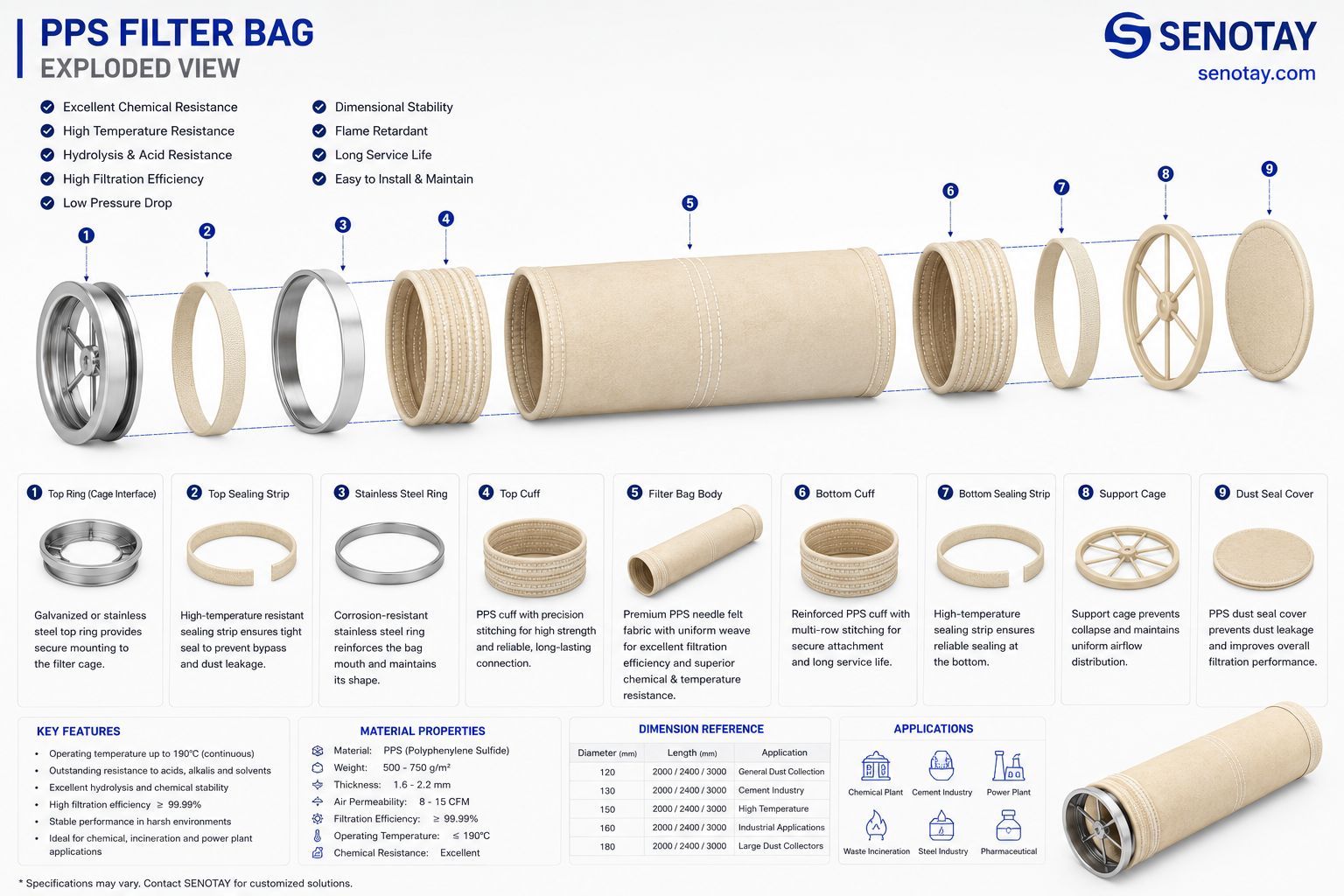
Specification of PPS Filter Bag
product name: | PPS filter bag |
Fiber Type: | Polyphenylene sulfide fiber |
Weight (g/ m²) | 500±10 |
Thickness(mm) | 1.8-2 |
Tensile strength (N/5×20cm) | vertical | > 1000 |
Weft | > 1200 |
Air permeability (L/m2/s·200pa) | 150-350 |
Recommended operating temperature (℃) | < 190 |
Instantaneous operating temperature (℃) | 220 |
Surface treatment process | Heat pressing treatment, heat setting treatment |
No. | Parameter | Unit | Typical Range / Value | Test Standard / Note |
1 | Fabric Weight | g/m² | 300 – 1200 | dependent on type and application |
2 | Fabric Thickness | mm | 0.8 – 3.5 | measured per ASTM standard |
3 | Air Permeability | m³/m²·min | 20 – 350 | higher = more open; depends on needling |
4 | Ash Content | % | 1 – 10 | lower preferred for high-temp processes |
5 | pH Stability | — | 2 – 12 | broad chemical tolerance |
6 | Hydrolytic Stability | % mass loss | <1 (typical) | after moisture/heat exposure |
7 | Surface Resistivity (anti-static) | Ω/sq | 10^6 – 10^9 | lower values for anti-static grades |
8 | Abrasion Resistance | cycles | 50,000+ | depends on finishing and backing |
9 | Dimensional Tolerance | % | ±2 | production tolerance for cut length/diameter |
10 | Standard Bag Length Options | mm | 1000 / 1500 / 2000 | custom lengths available |
(These parameters supplement the earlier “types” table and Physical & Mechanical Properties — We provide measurable spec ranges customers request when selecting bags.)
Applications
Cement & clinker, coal & biomass power plants, metallurgy & sintering, chemical processing, incineration, ceramics, glass, and industries requiring high-temp resistant filtration.
Installation & Maintenance
Best Practices
Confirm cage condition and bag seating.
Use correct cuff type to prevent leaks.
Monitor ΔP and replace when cleaning fails to restore pressure.
Avoid mechanical abrasion and chemical exposure beyond spec.
Ordering, Customization & Lead Times
We accept sample orders for fit and filtration trials. Customization includes cuff style (steel ring, snap band, Teflon collar), length, diameter, finish and micron rating. Contact our sales team with application details for a quotation and lead-time estimate.
▪ Dust Filter Bag
▪ Polyester Filter Bag | FMS Filter Bag | Basalt Filter Bag | Nomex Filter Bag |
PTFE Filter Bag | Acrylic Filter Bag | Fiberglass Filter Bag | P84 Filter Bag | PPS Filter Bag
▪ Dust Collector Bag Cage
▪ Dust Collector Bag Cage | Galvanized Bag Cage | Silicone Bag Cage | Trapezoidal Bag Cage | Envelope Bag Cage | Cage Venturi Tube
▪ Dust filter element
▪ Air Filter Element | Top-mounted Dust Filter Element | Oblique-insert Dust Filter Element |
Lifting Dust Filter Element | Six-Ear Quick-release Dust Filter Element | Threaded Dust Filter Element | Flange Dust Filter Element
▪ Electromagnetic pulse valve
▪ DMF-Z Right Angle Solenoid Pulse Valve | DMF-Y Submerged Electromagnetic Pulse Valve
▪ Industrial Electric Precipitation Accessories
▪ Cathode Wire | Dust Collecting Plate | Vibrating Hammer | Bearing In Dust | Electrostatic Precipitator Porcelain Sleeve
FAQ (short)
· Q: What is the usual lifetime of a PPS filter bag?
A: Lifetime depends on process conditions — with correct selection and maintenance, typical service life ranges from several months to multiple years.
· Q: Can PPS bags handle intermittent high-temperature spikes?
A: PPS media tolerate short spikes above continuous rating, but continuous exposure should remain within manufacturer limits to avoid degradation.
· Q: Do you supply replacement bags for older collectors?
A: Yes — we offer retrofit sizing and custom collars to match legacy equipment.
Call to Action
· For technical help selecting the right PPS Filter Bag, compatibility checks, sample requests or a quotation, contact Hebei OuTai Environmental Protection Equipment Co., Ltd. — your trusted filter bag manufacturer and PPS filter bag supplier in China. Provide your application details (dust type, temperature, flow rate, bag dimensions) and we will recommend the optimal product and customization options.