
EN
What are you looking for?
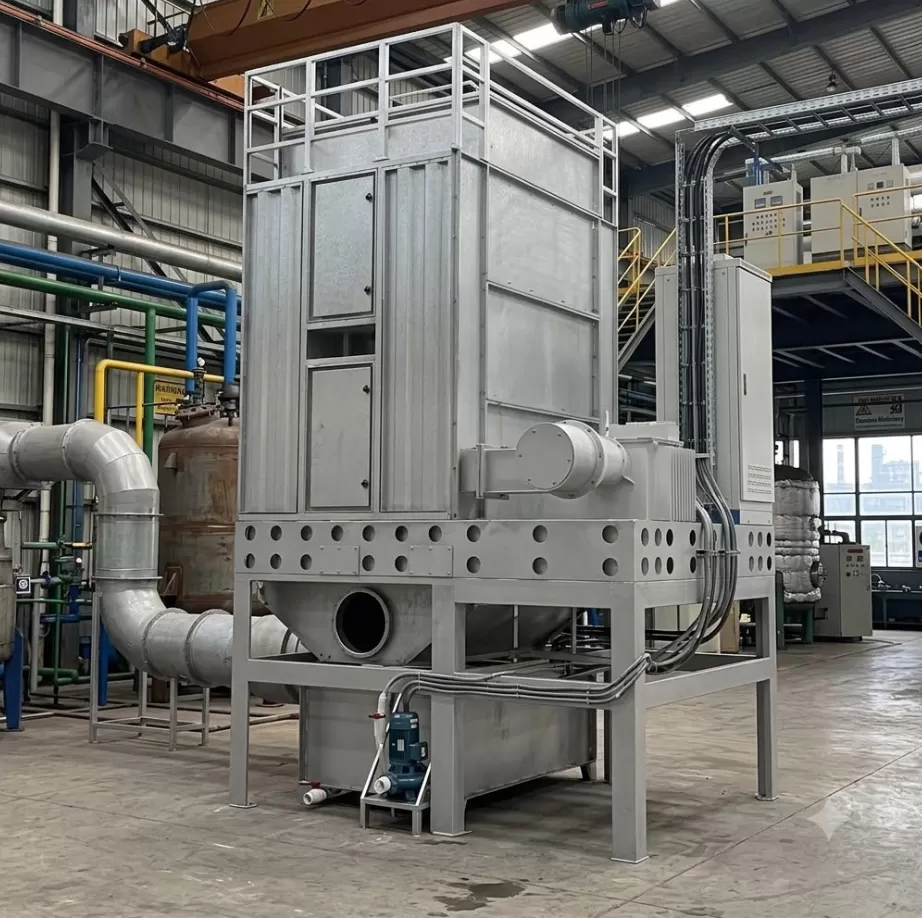
Baghouse Dust Collector Cost is one of the biggest recurring line items in any facility's operational budgets that deal with heavy industrial processes. A mid-sized manufacturing plant has an average annual operating and maintenance cost for a baghouse between $15,000 and $80,000 — and an inefficiently managed baghouse can cost much more. It's our job at Senotay to bring those dollars back to industries with smart engineering and precision filtration solutions.
If you want to realize a 20-40% operating savings that is a sustainable kind, you need to really understand the cost drivers, such as the filter bag replacement cost, the cost of compressed air, pressure drop loss of efficiency, etc.
The majority of facility managers only consider the cost of the equipment, and not the Total Cost of Ownership (TCO). Here is realistic representation of the sources of annual baghouse cost:
Source: Industrial Filtration Industry Reports, EPA Compliance Cost Studies, and Senotay field data (2022–2024).
The lifespan of standard polyester bags is 12–18 months. In real-world applications at cement and steel plants, Senotay's filter bags are well proven to last for 36-60 months. This Texas-based steel mill saved 38% by saving on bag replacement from $42,000 to $26,000 per year after switching to Senotay's ePTFE-membrane bags.
One of the largest hidden costs of baghouse operation is inefficient pulse-jet cleaning. When the pulsing is over, it wastes compressed air, and when the pulsing is under, it leads to the premature blinding of bags. On demand cleaning cycles with Real-Time differential pressure monitoring rather than timed cycles.
In this Case Study, a food processing facility was installed with Senotay's demand-based pulsing system in Ohio. The reduction in compressed air use was 27% resulting in an annual cost savings of about $9,200.
If the pressure is above 6 inches w.g. (water gauge) is an indication of excessive dust cake formation or damaged bags. The use of manometers recommends that audits be done quarterly, says Senotay. Proactive plant pressure management can save the fan energy by 18-22% annually.
Many of the facilities are over-sized or under-sized units that were acquired from previous operations. If the ratio of air to cloth is too high, bag wear will increase too quickly, and if it is too low, capital will be wasted. At no cost, Senotay's engineering team will audit your system to determine if it's mis-sizing, which accounts for 10–15% of the unnecessary annual costs.
The cost of a reactive repair is 3-5 times the cost of a planned repair(McKinsey & Company, 2021). The vibration sensors, opacity meters and remote diagnostics capabilities provided by the smart monitoring solutions developed by Senotay have helped clients reduce unplanned downtime incidents by an average of 52%.
Inspect filter bags every 6 months for abrasion, blinding, or pin-hole leaks
Calibrate differential pressure gauges annually to ensure accurate readings
Replace pulse-jet diaphragm valves every 2–3 years or after 500,000 cycles
Monitor inlet dust loading — loading above design spec by 20%+ shortens bag life significantly
Keep compressed air pressure between 90–95 PSI for optimal cleaning performance
Industry: Cement Manufacturing | Location: Southeast Asia | System Size: 48,000 CFM baghouse
Prior to the contract with Senotay, this plant was operating a baghouse, which cost them $74,000 annually. The pain points were: Bag changeout every 14 months; Compressed air valve failures frequently; 2 regulatory Notices in 18 months.
After a full Senotay audit and upgrade program:
Filter bag lifespan extended to 48 months with Senotay ePTFE membrane bags
Annual bag replacement cost dropped from $31,000 to $9,500 (−69%)
Compressed air savings of $11,200/year via demand-based pulsing
Zero regulatory violations in the 24-month post-implementation period
Total annual operating savings: $27,800 — a 37.6% reduction in total baghouse costs.
Not all people are Industrial Engineers. The following is a list of simple definitions on terms used in the efficiency improvement of baghouses:
Air-to-Cloth Ratio: The air flow (in cubic feet per minute) through the filter divided by the total filter area. Lower ratios indicate reduced stress to bags, and increased life of the bags.
Pulse-Jet Cleaning: Cleaning by high pressure bursts of air to remove dust from filter bags. The timing and pressure are of critical importance to the control of costs.
Differential Pressure (Delta-P): The pressure drops from one end of the filter bags to the other. A high delta-P will result in less airflow and cause fans to run harder and longer, using more energy.
An extremely fine layer of PTFE (Teflon-like) material is laminated to the filter fabric, giving better dust release and life.
For a mid to large system, the cost of operation ranges from $15,000 to $80,000 a year, considering the cost of bags, energy, compressed air, labour, and downtime. The reduction for the Senotay clients usually ranges between 20% and 40% on these totals.
Normally, standard bags will have a shelf life of 12-18 months. If bag life is optimized with high-quality membrane bags and optimized cleaning cycles (as Senotay suggests) then bag life can be extended to 36-60 months per year, bringing about a substantial drop in replacement costs.
The most often achieved ROI is by optimizing the cleaning interval of the pulse-jet (reducing compressed air loss) and the use of longer filter bags. These two changes combined can start to save 15-25% a year in the first year.
Yes. Emissions levels are kept well below the regulatory limits with Senotay's filtration solutions. Clients are protected from the expensive violation notice and fines that can have an impact between $10,000 and $100,000+ per violation thanks to our smart monitoring tools that give us real time data on opacity and particulates.
Absolutely. After an audit by Senotay, annual savings of $4,000 to $12,000 have been achieved, even for systems as small as 5,000 CFM systems. The audit is generally provided at no cost; and the recommended improvements generally pay for themselves in 6–18 months.