
EN
What are you looking for?
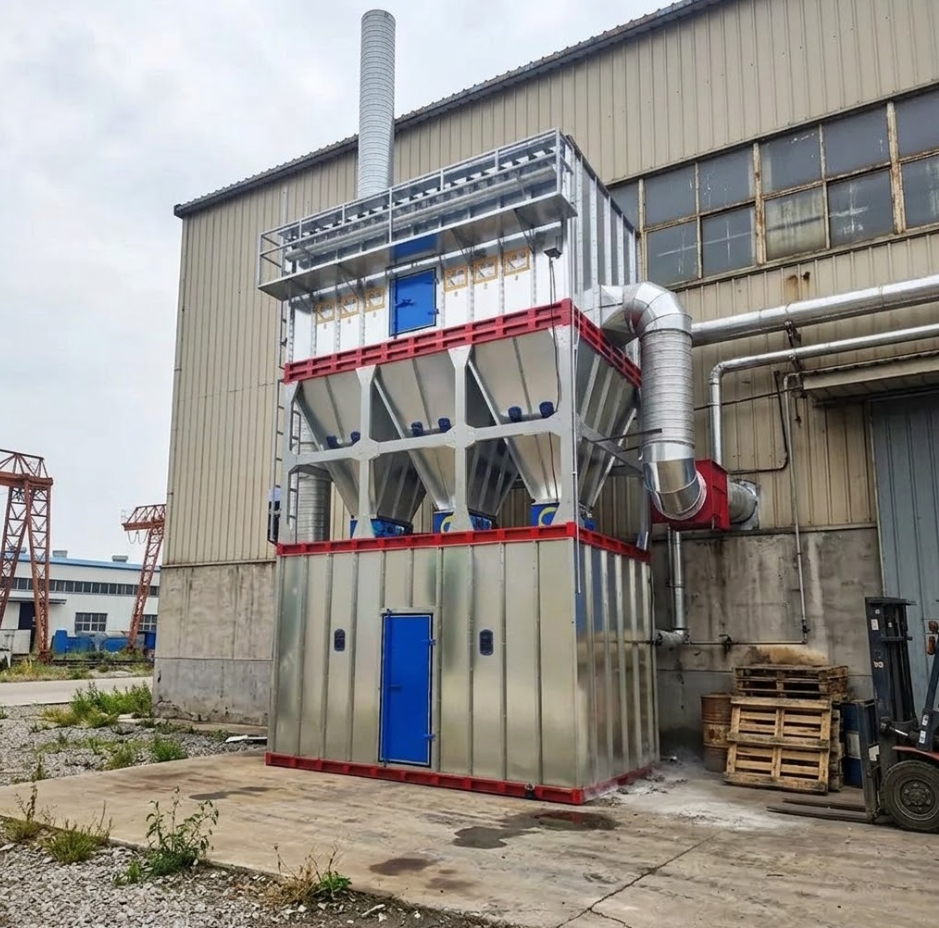
Picking the right industrial air purification system is never just a casual choice, it needs a pretty rigorous technical look at particulate behavior plus fluid flow dynamics. And when you’re stuck between a Baghouse Vs. Cartridge Filter framework, engineers really have to examine how the structural media shape, kind of steers the whole processing ability. A typical baghouse enclosure uses these elongated fabric cylinders, meant to isolate particulates from high-volume exhaust gas, and it forms a dust cake that becomes this extra filtering layer over time . On the other hand, cartridge systems usually rely on tight accordion-style pleats that wrap around a central core, so they pack huge surface area into what is basically a compact housing. That architectural core difference then ends up controlling how each option copes with air velocities, pressure changes, and the way particulates pack during steady production runs, without interruption.
To build a solid Dust Collector Comparison, you have to examine core performance characteristics across the two technology tracks. A frequent slip is thinking that more media volume automatically equals better facility output. But that’s not quite it. Instead, you have to weigh the required specific airflow against usable floor space and the actual structural headroom clearance heights available in the plant layout.
Cartridge collection systems lean on advanced synthetic membranes to push higher localized surface loading ,and still keep the system pressure pretty much steady. In practice, these units kinda weave high-efficiency media into compressed accordion-style patterns, so you get more real active surface contact ,while internal face velocities stay low.
Nanofiber web coatings build specialized superficial networks that help stop sub micron dust from embedding way down inside the substrate fibers
Automatic pulse-jet cleaning systems use compressed air blasts to shake off buildup cakes without really wearing the internal structural elements
Uniform pleat spacing profiles reduce localized blinding, like clogging inside media channels, when you move dense or very fine process dust
Horizontal slide-out containment designs let field technicians swap filter cartridges quickly, with no tools, from outside the machine housing
In heavy industrial setups, like foundry plants, cement kilns, or asphalt production, you really need rugged fabric filtration networks. When the air streams run above 275°F (135°C), typical cartridge-media adhesives tend to degrade fast, and then the structural components can collapse.
Fully welded heavy-gauge carbon steel housings resist intense twisting under load from large, high-volume exhaust blowers
Special aramid and PPS (polyphenylene sulfide) fabrics keep structural integrity even around 500°F (260°C)
Supersonic cleaning nozzles improve how pressure waves spread along the full 12-foot length of fabric bags, so heavy caked dust comes loose
Integrated spark arrestor arrays catch burning embers before they reach the internal fabric array, which prevents severe baghouse fires
When you’re analyzing what you can call the ultimate Filtration Efficiency, it’s basically about separating those nice “nominal” particle size claims from what you actually see on lab verified performance curves, especially while you keep dust loading going for a while. Cartridge filters usually run at higher base capture levels for sub-micron dust because the whole arrangement is a dense layered substrate, so it’s not just luck.
High-grade nanofiber elements, in practice, hit a verified MERV 15, or MERV 16 rating, and they claim capture above 99.99% for particles down to about 0.5 microns.
Conventional polyester felt bags, more or less, depend on early dust cake formation to reach their stated 99.9% capture rate at 2.5-micron particles.
Specialized ePTFE, expanded polytetrafluoroethylene membrane coatings, can push fabric bag performance so sub-micron particles are captured with comparatively minimal resistance.
Total emissions from high-efficiency cartridge setups usually remain under 0.001 grains per dry standard cubic foot of processed air.
The air-to-cloth ratio is the volumetric airflow rate divided by the total active surface area of the filtration media. If that ratio is right, particulates are less likely to become sort of permanently forced into the media backing structure, which is the whole point.
Heavy robotic welding operations typically need reduced air-to-cloth ratios around 1.5:1 to 2.1:1, to deal with thick sticky fumes without causing trouble.
General woodworking, or wood chip handling, can use higher baghouse ratios, sometimes up to 7:1, because coarse particles behave differently.
Going past the recommended velocity index tends to trigger rapid pressure drop spikes, it speeds up media wear, and it also drives up compressed air demand.
Lower face velocities help preserve delicate surface structures, because abrasive wear from hard high-velocity impacts is reduced, and that part matters more than people think.
Operating expenses over a multi-year window often outpace the initial capital acquisition cost of an industrial air filtration installation. Engineers must balance the frequency of element replacements against total maintenance hours and lost proIn a multi year span, operating expenses can end up running past the early capital price of an industrial air filtration installation, so the team has to kind of juggle priorities. In practice, engineers are always weighing how often the elements get swapped, against the number of maintenance hours, and those annoying lost production minutes.
Fabric filter bags typically hang on for about three to five years in heavy duty configurations. That’s because they’re built with dense mechanical construction and they tolerate stress pretty well.
Pleated cartridges usually need replacement in the 12 to 24 month range, especially with continuous fine dust loading, where the airflow keeps doing its job every day.
Cartridge systems often use a smaller quantity of units overall. That detail matters because it lowers the total time technicians spend on a full changeout.
Baghouse replacements tend to require confined space entries , plus a lot of manual effort to tension bags and then lock internal snap band seals in place. Duction downtime.
Picking the right material substrate helps prevent chemical degradation and also blocks early physical breakdown when you’re dealing with difficult, corrosive, or humid air streams. If you mismatch the material, you may see premature blinding or element destruction within just weeks after startup .
An international chemical processing facility was having trouble keeping fine, hygroscopic powder under control. You know the kind that just really likes to grab moisture. Their older fabric baghouse kept doing that thing where the filter bags blind and then, because of the pressure spikes, the plant would end up shut down in emergencies about every three weeks. Not great, not stable, and kinda expensive.
In the image you can see a high-durability pleated cartridge element, with rigid, consistent pleat spacing that’s meant to increase the actual active surface contact, but still stay standing even when the suction loads get serious. Senotay stepped in and basically redid the facility air management setup, replacing the old high-maintenance baghouse with a custom built, pulse-cleaned cartridge collection module. Then they deployed advanced spunbond polyester cartridges, paired with an oleophobic surface coating that helps resist oily carryover and related tackiness. The result was a steady, low differential pressure, and over time the recurring downtime went away completely. Also, the facility got a smaller total equipment footprint, about 40% less, and plant emissions dropped by 99.97%.
When should an engineer choose a baghouse over a cartridge collector? For temperatures above 375°F (190°C), for highly abrasive dusts, or when the operation faces extreme continuous dust loading conditions.
How does moisture affect pleated cartridge filters? Moisture makes dust cake tightly inside those narrow pleats, and then it ends up acting like a stubborn barrier that the automatic compressed-air pulses can’t really break apart.
What tracks filter restriction? Differential pressure, measured in inches of water column, tracks how fast dust is building up.
Do pleated bags offer a compromise? Yes, they can behave like a middle ground by combining large cartridge-style surface area with baghouse-like housing performance.