
EN
What are you looking for?
When planning to buy a Dust Collector for industrial or workshop use, price comparison is only one part of a much bigger decision. Buyers looking to order from a factory, source from a Chinese manufacturer, or request a wholesale quote must evaluate multiple performance and cost factors beyond the initial sale price.
For businesses aiming to optimize production efficiency and maintain air quality compliance, choosing the right Dust Collector directly impacts long-term operational cost, maintenance cycles, and system reliability. Companies like Senotay, a trusted supplier and manufacturer, offer factory-direct solutions that balance cost, performance, and durability—making them a strong option for global buyers.
Many buyers focus on finding the lowest cost Dust Collector available in-stock or ready to ship. However, lower upfront pricing can often mean compromises in build quality, filtration efficiency, or system lifespan.
A well-priced Dust Collector should reflect:
High-efficiency filtration technology.
Durable materials suitable for industrial environments.
Optimized airflow capacity (CFM).
Compliance with safety and emission standards.
Low maintenance and energy consumption.
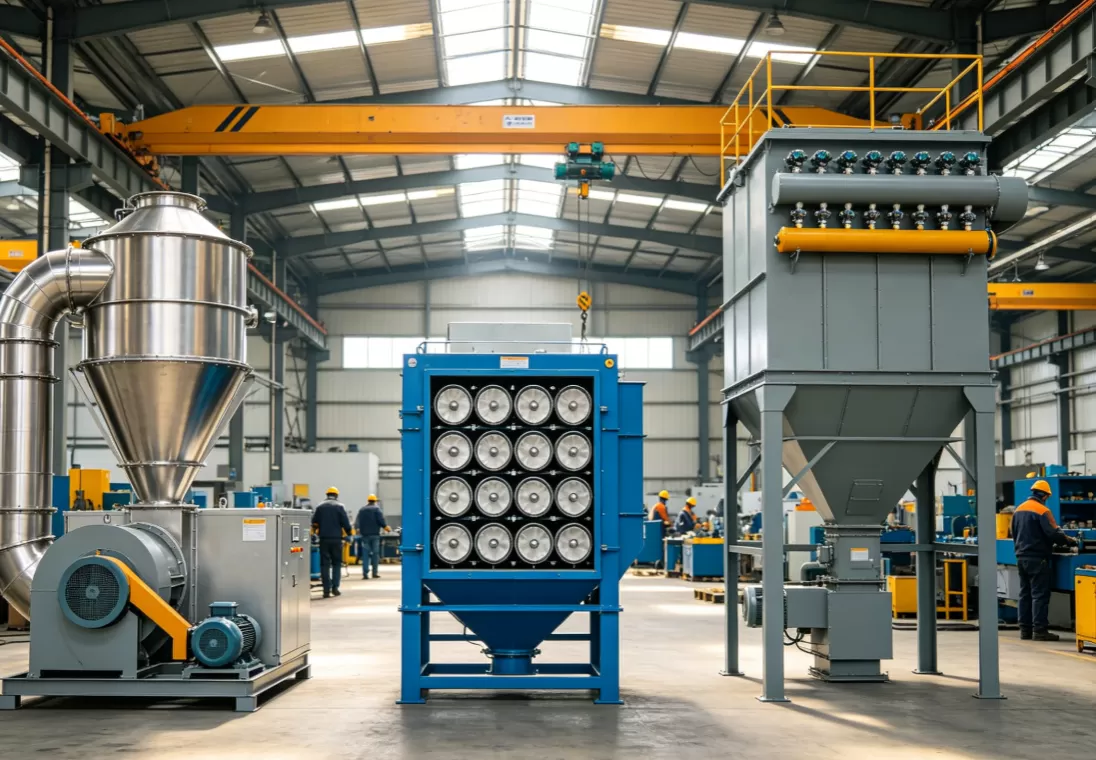
Understanding what drives Dust Collector pricing helps buyers make informed decisions when requesting quotes or comparing suppliers.
The airflow requirement determines system size and cost.
Small workshops: 500–1,500 CFM.
Medium facilities: 2,000–5,000 CFM.
Large manufacturing plants: 5,000+ CFM.
Higher CFM systems require larger motors and advanced filtration, increasing the overall cost.
Advanced filtration systems, such as cartridge or HEPA filters, increase price but improve air quality and compliance.
Basic filters: Lower cost, limited efficiency.
Cartridge filters: Balanced cost and performance.
HEPA filters: High cost, maximum efficiency.
Industrial-grade steel construction and corrosion-resistant coatings impact durability and price.
Modern Dust Collectors from manufacturers like Senotay often include:
Automatic pulse cleaning.
Smart monitoring systems.
Energy-saving controls.
These features increase initial cost but reduce long-term operational expenses.
This table helps buyers compare price vs performance before placing an order or requesting a factory quote.
When sourcing a Dust Collector from a supplier or factory, it’s important to consider hidden costs beyond the sale price.
Shipping and logistics charges from China or overseas.
Installation and setup expenses.
Replacement filter costs.
Energy consumption over time.
Maintenance and downtime.
A slightly higher upfront investment in a high-quality Dust Collector from a reliable manufacturer like Senotay can significantly reduce these long-term expenses.
This comparison highlights why choosing the right supplier is just as important as comparing prices.
Ordering directly from a factory or manufacturer offers multiple advantages for industrial buyers.
Lower cost due to elimination of middlemen.
Access to wholesale pricing and bulk discounts.
Better customization options for specific applications.
Direct communication with engineers and technical teams.
Faster production and shipping timelines.
Senotay, as a Chinese manufacturer, provides factory-direct Dust Collector solutions with competitive pricing, ensuring buyers receive high-value systems tailored to their needs.
To secure the best deal when buying a Dust Collector, buyers should follow a strategic approach.
Request multiple quotes from verified suppliers.
Compare specifications, not just price.
Check certifications and compliance standards.
Evaluate supplier reputation and experience.
Ask about warranty and after-sales support.
Consider long-term operational cost, not just upfront price.
Senotay stands out as a reliable supplier and manufacturer in the Dust Collector market, offering:
Competitive factory-direct pricing.
High-performance filtration systems.
Custom OEM solutions for industrial applications.
Strong inventory availability and fast shipping.
Comprehensive technical support.
For businesses looking to source Dust Collectors from China, Senotay provides a balance between cost efficiency and premium quality, making it easier to order with confidence.
Explore More Air Pollution Control Equipment
Different industries require different Dust Collector configurations. Selecting the right type ensures optimal performance and cost efficiency.
CNC machining → Cartridge Dust Collector.
Woodworking → Cyclone or portable systems.
Metal fabrication → High-capacity baghouse systems.
Pharmaceutical or food industries → HEPA filtration systems.
Matching the system to your production needs ensures you get the best return on investment.
Before placing your final order, ensure that your selected Dust Collector meets all operational and compliance requirements. A well-informed purchase decision will help reduce costs, improve efficiency, and maintain workplace safety.
By focusing on performance, supplier reliability, and total cost of ownership—not just the initial sale price—you can secure the best value Dust Collector for your business needs.