
EN
What are you looking for?
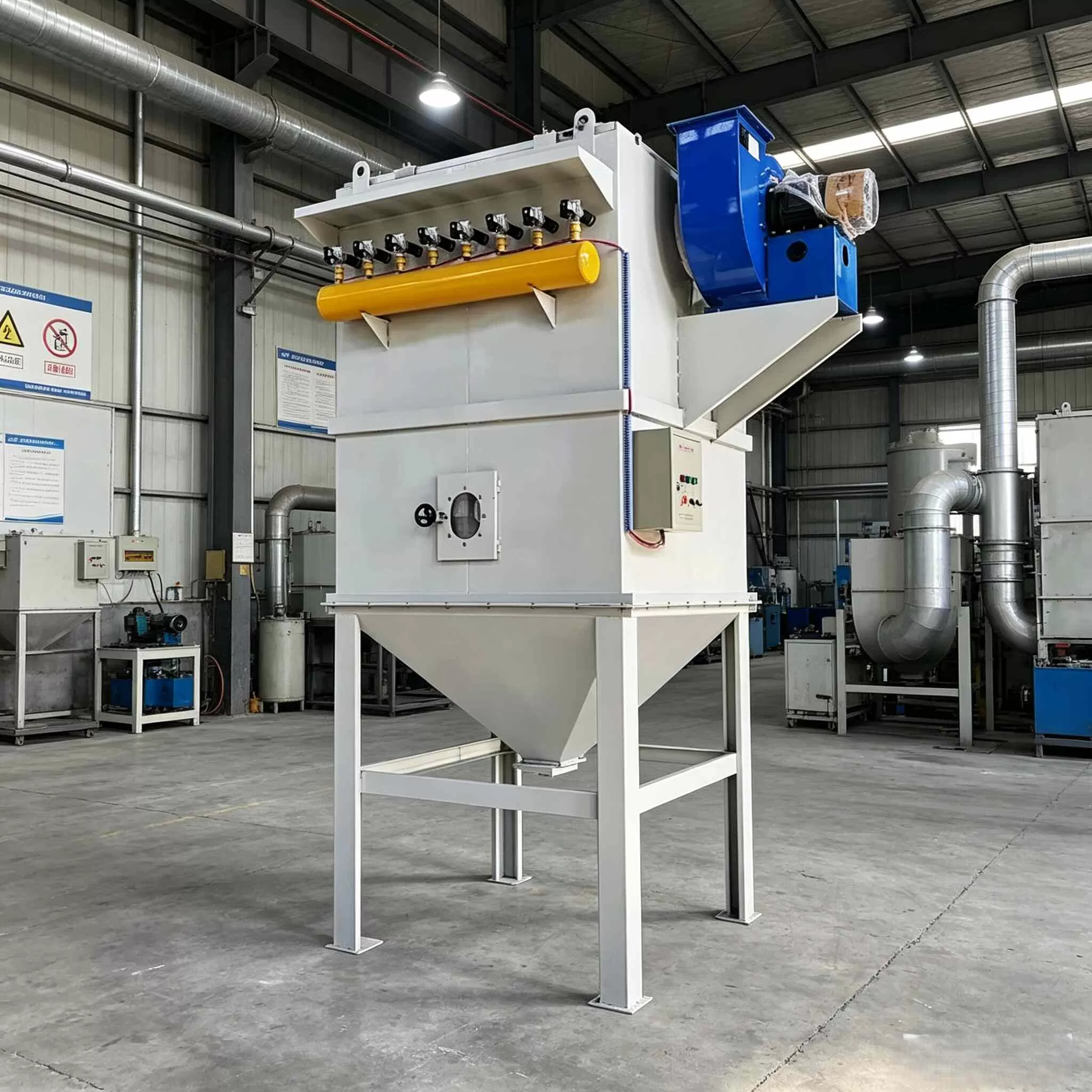
Industrial facilities that depend on dust collection systems already know downtime is expensive, but honestly neglect can cost just as much… or more. Dust Collector Maintenance Costs can range from under $3,000 to beyond $25,000 each year, depending on system size, what the industry actually is, and how often maintenance gets done. The U.S. EPA points out that when facilities handle dust collection proactively, they cut unplanned downtime by as much as 47% ,and stretch equipment lifespan by about 5–10 years.
At Senotay, we focus on industrial filtration and air quality systems. This guide maps out every single cost part, so plant managers, procurement teams and facility engineers can put together solid annual maintenance budgets—without weird surprises showing up later.
The table below uses data gathered across more than 200 industrial facilities in North America and Asia. Think of these numbers as benchmarks for how you should plan your yearly maintenance spend.
Note: Costs vary based on dust type (fine vs. coarse), regulatory requirements (OSHA, NFPA 652), and whether in-house or third-party labor is used.
Your filtration system is basically the core of dust collection. Industry data shows filter related expenses typically make up 35–40% of total annual maintenance costs. Here’s why filtration maintenance tends to climb:
HEPA-grade filters for pharmaceutical or food processing can run $150–$400 per unit, and many systems need 10–30 units each replacement cycle.
Pulse-jet bag filters used in heavy industries like cement or mining usually call for replacement every 12–18 months, at about $40–$120 per bag.
Nano-fiber cartridge filters often last 2–3x longer but they come with a 30–50% higher upfront service cost.
Clogged or physically damaged filters can drop airflow efficiency by as much as 60% ,which then bumps energy costs by roughly $1,200–$4,000 annually.
Case Study: A mid sized furniture manufacturer, in Ohio, lowered their yearly filtration system service spend by 28% ($1,400 savings) when they moved from normal polyester bags to anti static membrane filters that Senotay recommends. This change also made replacement cadence less frequent, basically from quarterly to bi annual, and the whole thing felt smoother not just cheaper.
Maintenance costs are not one-size-fits-all. The table below compares annual service cost across industries, helping you benchmark your own spending.
Source: Industry averages compiled from ASHRAE maintenance guidelines, NFPA 652, and Senotay client case data (2022–2024).
Past the usual upkeep though, there are a bunch of hidden or indirect costs that can quietly pump up the total service cost if someone doesn’t plan ahead:
Regulatory Non Compliance Fines: OSHA citations tied to dust collection failures can average about $15,625 per event (based on 2023 OSHA data). If you stay proactive on maintenance, that kind of exposure goes down a lot.
Energy Inefficiency: when a filtration setup is running at around 70% efficiency, you can end up wasting roughly $2,000–$6,000 each year in power use (using a 10,000 CFM system, and $0.12/kWh). It’s not always dramatic at first, but it adds up, eventually.
Unplanned Downtime: industry estimates often put unplanned downtime costs at $5,000–$20,000 per hour in heavier manufacturing. Even a short 4 hour shutdown caused by a collector issue can cost more than an entire year of preventive maintenance, and that’s the part people usually underestimate.
Spare Parts Inventory: if a facility doesn’t hold a reasonable spare parts buffer, they tend to pay 18–23% more for emergency sourcing. The reason is usually rush shipping, plus premium pricing, which no one schedules for.
Senotay provides engineered filtration choices and service packages meant to reduce total cost of ownership, in a more grounded way, not only “swap the filter and go”. Our method includes:
Customized filter media selection that fits your specific dust composition, so you’re not stuck with over specified purchases you don’t need.
Predictive maintenance planning tools that will flag filter replacement 30–45 days before an actual failure, not after.
Bulk supply programs that can lower the per unit filtration cost by 15–25% for higher volume clients.
On site service cost audits, to spot budget leaks, typically uncovering $1,500–$4,000 of preventable annual spend depending on the setup.
With Senotay's support, clients consistently report 20–35% reductions in annual dust collector maintenance costs within the first 18 months of engagement.
Q1: What is the average yearly dust collector maintenance cost for a small manufacturing facility?
For a small setup running a 2,000–5,000 CFM system, many teams plan around $2,500–$5,500 per year. That rough range covers filter replacement, motor servicing, and usually one professional inspection. Senotay also offers entry level service bundles, starting at about $1,800/year, for folks who want something more steady.
Q2: How often should the filtration system be inspected?
At minimum, do a basic visual inspection monthly, and schedule a deeper technical inspection every 6 months. In higher dust conditions (like wood, cement, grain), quarterly inspections can make more sense. Also, most OSHA requirements tend to expect at least one documented annual inspection, even if the system runs in lighter duty.
Q3: What causes the biggest service cost increases from year to year?
The most common cost spikes come from postponed filter replacement, which can push extra motor strain and cause early failure. Another factor is energy inefficiency from airflow that is blocked or restricted over time, plus emergency parts purchasing when something breaks unexpectedly. If you plan proactively, maintenance cost increases can often drop by roughly 30–40% each year.
Q4: Can I cut maintenance costs by doing some servicing in-house?
Yes, you can usually handle routine work like filter checks, bag replacements, and similar day-to-day tasks. But motor servicing, ductwork pressure testing, and control panel diagnostics are typically something that certified technicians should manage. A hybrid strategy (in-house routine + professional annual service) often saves 15–25% compared to fully outsourced maintenance.
Q5: How does Senotay help with long-term maintenance cost planning?
Senotay provides annual budget planning tools, filter life-cycle assessments, and dedicated account support. Clients get customized service cost projections based on system type, usage hours, and dust load, so you can plan multi year capital decisions with way more confidence.
High-Temperature Baghouse Systems: Material & Performance Data
How to ensure Maintenance of Bag Type Dust Collector | senotay