
EN
What are you looking for?
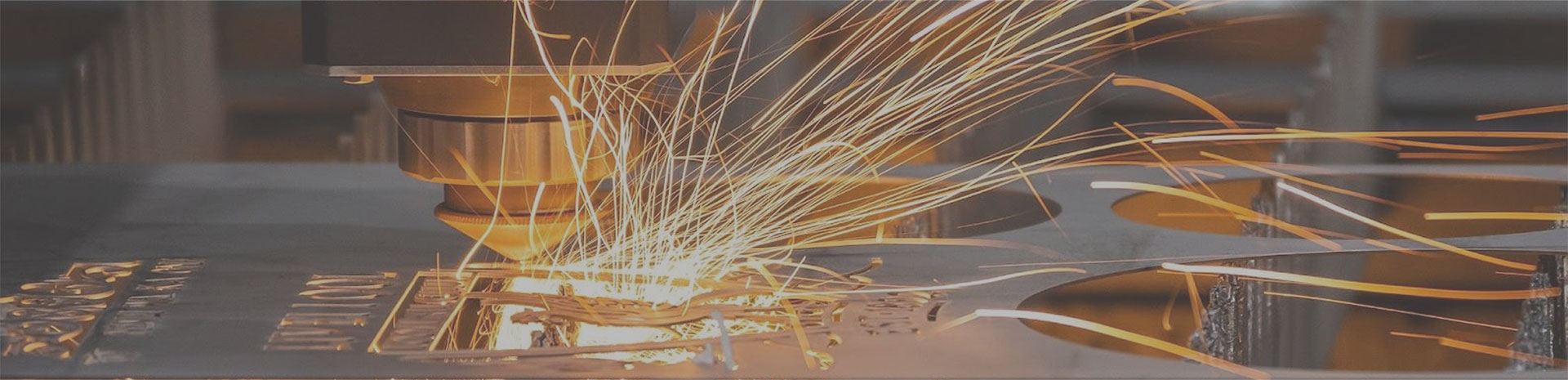
The current manufacturing process requires air quality control because airborne particles now affect both production efficiency and worker health and regulatory expense requirements. The metal fabrication and woodworking and cement and food processing industries create large amounts of particulate matter which needs proper control because it can cause operational disruptions within a few hours.
Factories that want to achieve operational uptime and lower their maintenance expenses and fulfill their regulatory requirements need to invest in Industrial Dust Collector systems because these systems have become essential for their operations. The proper dust collector selection will solve your operational problems and enhance your facility's air quality whether you plan to purchase new equipment or upgrade existing systems or buy from a Chinese supplier.Your dust collector purchasing needs will be best served by Senotay as your ideal solution.
Dust accumulation affects multiple areas of production, often in ways that are underestimated:
Equipment failure increases by 18–25% due to dust contamination in motors and bearings
Workplace safety incidents rise by up to 30% in poorly ventilated facilities
Production downtime can cost $500–$5,000 per hour depending on industry
Dust-related defects can increase rejection rates by 12–20%
For example, a mid-sized steel fabrication plant reported annual losses of over $120,000 due to frequent machine cleaning and filter replacements before installing a centralized dust collector system.
An industrial dust collector system captures, filters, and removes airborne particles before they settle on equipment or enter workers’ breathing zones.
Dust-laden air is drawn through ductwork using high-efficiency fans
Particles are separated using filters, cyclones, or cartridges
Clean air is recirculated or safely released
Collected dust is stored for disposal or recycling
This process ensures continuous air purification without interrupting production cycles.
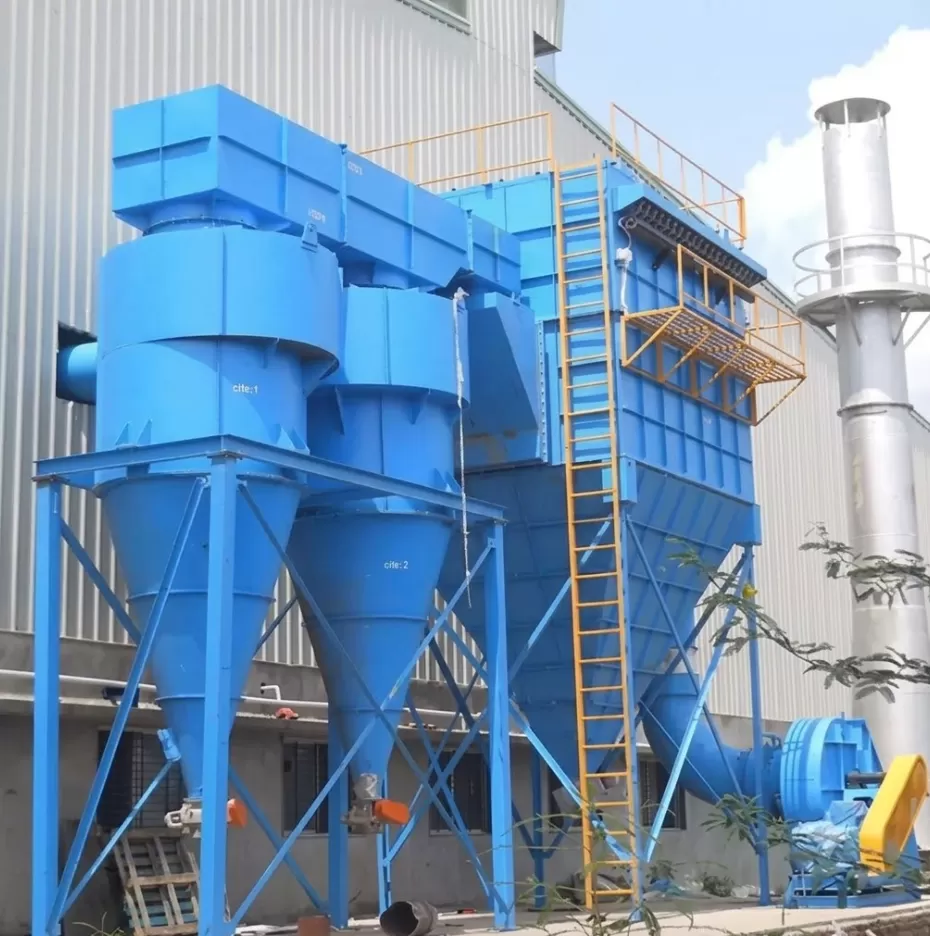
Choosing the right system depends on your industry, dust type, and production scale.
Many factories now prefer cartridge-based systems due to their compact design and lower operational cost, especially when sourcing from Chinese suppliers offering competitive sale prices.
When evaluating an industrial dust collector for your factory, focus on performance metrics rather than just initial cost.
Airflow capacity (CFM): Ensure it matches your production volume
Filtration efficiency: Minimum 99% for fine particles
Energy consumption: Lower kW systems reduce long-term cost
Filter lifespan: Longer life reduces replacement frequency
Automation: Smart controls improve operational efficiency
Compliance: Must meet OSHA or local environmental standards
A high-quality dust collector from a reliable manufacturer like Senotay ensures consistent performance and reduced maintenance downtime.
A manufacturing facility in Southeast Asia upgraded to a centralized dust collector system sourced from a Chinese factory supplier.
Monthly maintenance cost: $8,500
Downtime: 12 hours/month
Air quality compliance issues: Frequent
Maintenance cost reduced by 42%
Downtime reduced to 3 hours/month
ROI achieved within 8 months
This example highlights how investing in the right system can deliver measurable financial and operational benefits quickly.
Understanding pricing helps buyers make informed decisions when requesting a quote or planning bulk orders.
Shipping and logistics (especially for international orders)
Installation and ductwork design
Replacement filters and spare parts inventory
Energy consumption over time
Many buyers choose to source from China due to lower manufacturing costs and strong supply chain capabilities, especially when ordering in bulk or wholesale quantities.
Senotay has established itself as a reliable supplier and manufacturer of industrial dust collection systems, offering tailored solutions for global clients.
Custom-engineered systems for different industries
Competitive wholesale pricing with factory-direct supply
Fast shipping and global delivery support
Durable components with extended service life
Strong technical support for installation and maintenance
Senotay’s systems are designed to handle high dust loads while maintaining energy efficiency, making them suitable for both small workshops and large-scale industrial plants.
Visit our inventory: Dust collectors catalog
Even experienced buyers can make costly mistakes during procurement.
Undersizing the system (leads to poor performance)
Ignoring airflow calculations
Choosing based only on sale price instead of lifecycle cost
Overlooking maintenance requirements
Not verifying supplier credentials
Working with a trusted manufacturer ensures that your system is correctly sized and optimized for your production environment.
Explore More Air Pollution Control Equipment
If your facility is currently facing dust-related issues, taking quick action is essential.
Conduct a dust audit of your facility
Identify high-risk zones (cutting, grinding, mixing areas)
Request a quote from a reliable supplier like Senotay
Choose in-stock models for faster delivery
Plan installation during low-production periods
With proper planning, a new industrial dust collector can be installed and operational within 2–4 weeks, significantly reducing airborne dust levels almost immediately.
The dust collection industry is evolving with new technologies that improve efficiency and reduce operational costs:
Smart monitoring systems with IoT integration
Energy-efficient fan designs reducing power consumption by up to 15%
Advanced filter media with longer lifespan
Modular systems for easy scalability
Factories investing in modern dust collectors today are positioning themselves for long-term operational efficiency and regulatory compliance.