
EN
What are you looking for?
In today’s competitive manufacturing landscape, smart buyers are no longer selecting equipment based on upfront cost alone. Instead, they evaluate long-term performance, operational efficiency, and ROI. A high-efficiency Dust Collector has become a critical asset for factories aiming to reduce downtime, improve air quality, and optimize production output.
Industrial reports indicate that poor dust management can reduce production efficiency by up to 12–18% annually, especially in sectors like CNC machining, metal fabrication, and woodworking. High-efficiency dust collection systems directly address these challenges by maintaining clean airflow, protecting machinery, and ensuring compliance with workplace safety standards.
Manufacturers sourcing from reliable Chinese suppliers like Senotay are increasingly prioritizing engineered systems that deliver both filtration efficiency and cost savings over time.
Smart buyers focus on measurable outcomes. A high-efficiency Dust Collector improves multiple operational metrics:
Reduces machine wear caused by airborne particles.
Minimizes unplanned downtime by up to 25%.
Improves worker productivity by maintaining clean air.
Lowers maintenance frequency and associated costs.
Enhances product quality by preventing contamination.
For example, a mid-sized CNC factory processing aluminum components reported a 30% reduction in maintenance costs within 8 months after upgrading to a high-efficiency system.
When evaluating a Dust Collector, buyers should focus on technical specifications rather than just price.
These performance improvements translate directly into cost savings and production consistency, making high-efficiency systems the preferred choice for industrial buyers.
A common mistake buyers make is choosing low-cost units without considering lifecycle costs.
Over a 3-year period, high-efficiency systems can reduce total ownership costs by 25–35%, making them a smarter investment despite higher upfront pricing.
Professional buyers sourcing from factory-direct suppliers prioritize advanced features that ensure long-term value:
Pulse-jet cleaning system for continuous operation.
High-quality filter media with nano-fiber coating.
Automated airflow control systems.
Modular design for scalability.
Explosion-proof options for hazardous environments.
Low-noise operation for better workplace conditions.
Senotay integrates these features into their Dust Collector systems, making them suitable for industries requiring precision and compliance.
The demand for high-efficiency Dust Collector systems is growing across multiple high-growth sectors:
Fine metal particles can damage precision tools and reduce machining accuracy. Efficient dust collection ensures stable production quality.
Dust accumulation increases fire risk. High-efficiency systems reduce airborne particles and improve safety compliance.
Strict hygiene standards require advanced filtration to prevent contamination.
Clean environments are essential for component durability and assembly precision.
Factories in these sectors increasingly source from experienced manufacturers in China offering wholesale pricing and customized solutions.
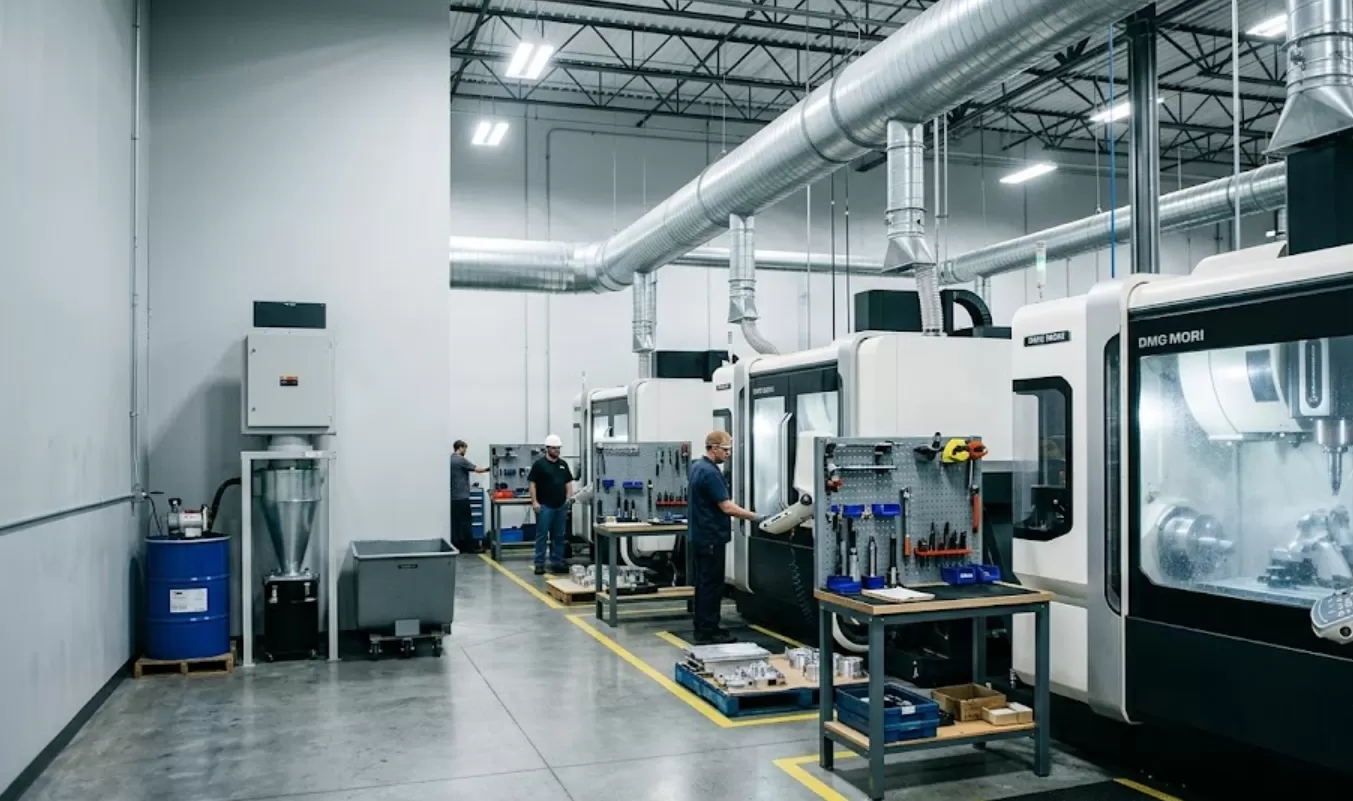
Energy consumption accounts for nearly 30% of operating costs in industrial air systems. High-efficiency Dust Collector units are designed to optimize airflow while minimizing power usage.
Key energy-saving technologies include:
Variable frequency drives (VFD).
Smart airflow sensors.
Optimized fan blade design.
Reduced pressure drop systems.
A Senotay system installed in a medium-scale factory demonstrated 18% energy savings within the first year, significantly lowering operational expenses.
Smart buyers are increasingly choosing factory-direct sourcing models instead of third-party distributors.
Benefits include:
Competitive wholesale price and transparent cost structure.
Direct communication with manufacturer engineers.
Customization based on factory layout.
Faster shipping and production lead times.
Access to in-stock inventory for urgent orders.
Chinese manufacturers like Senotay provide scalable production capabilities, allowing buyers to order systems tailored to specific airflow and filtration requirements.
Before placing an order, buyers should evaluate their requirements carefully:
Calculate required airflow (CFM) based on machinery.
Identify dust type (metal, wood, fine particles).
Consider factory size and layout.
Evaluate compliance requirements (OSHA, ISO).
Compare supplier certifications and case studies.
Working with an experienced supplier ensures accurate system configuration and avoids costly mistakes.
Explore More Air Pollution Control Equipment
Senotay has positioned itself as a reliable Dust Collector manufacturer by focusing on performance-driven design and customer-specific solutions.
Their systems are widely used in:
CNC machining workshops.
Metal fabrication plants.
Industrial processing facilities.
Key advantages include:
High filtration efficiency (up to 99.9%).
Durable construction for long-term use.
Competitive factory-direct pricing.
Flexible shipping options for global buyers.
Strong after-sales support.
Buyers looking to source, order, or request a quote for a high-performance Dust Collector often prefer suppliers that combine engineering expertise with cost efficiency—making Senotay a strong option in the global market.
To ensure the best investment, smart buyers follow a structured evaluation process:
Compare total cost of ownership, not just purchase price.
Request performance data and test reports.
Verify filter efficiency and lifespan.
Evaluate energy consumption metrics.
Choose suppliers with proven industrial experience.
Confirm availability of spare parts and support.
This approach ensures that the selected Dust Collector delivers long-term operational benefits rather than short-term savings.