
EN
What are you looking for?
OEM guide to wet electrostatic precipitator (WESP) systems. How wet ESP technology captures fine particulate and supports industrial emission control.
A: A wet electrostatic precipitator (WESP) is the premier solution for capturing sub-micron mist, acid droplets, and ultra-fine aerosols. While coarse particles settle in cyclones and mid-size dust is trapped by baghouses, a WET ESP system works by electrostatically charging fine particles and collecting them on a water-washed surface, reaching removal efficiencies few other technologies can match.
[Inlet Gas Flow] ──> [Electrical Charging Zone] ──> [Water-Washed Collector Plate] ──> [Clean Exhaust]
When scaling emissions control for heavy industry, sourcing a heavy-duty DUST collector in China provides the optimal balance of international engineering standards, rigorous environmental compliance, and competitive manufacturing overhead.
This bulletin explains how wet electrostatic precipitators work, where they deliver the most value, and what OEMs should consider when specifying an industrial emission control system.
A wet electrostatic precipitator captures sub-micron particles and mist that dry systems miss, often with efficiency above 99%.
WESP systems use a water film to clean the collection surface continuously, avoiding the re-entrainment problems of dry ESPs.
Wet ESP technology pairs well with wet scrubber technology for combined acid gas and fine particulate control.
Specify a WESP from process data—gas flow, temperature, pollutant load—not from guesswork.
An electrostatic precipitator removes particles by charging them and collecting them on oppositely charged plates. In a dry ESP, collected dust is knocked off by rapping. In a wet electrostatic precipitator, a thin film of water continuously washes the collection surface instead.
That water wash is the key difference. It keeps the electrodes clean even when the gas is sticky, corrosive, or already saturated with moisture—exactly the conditions where dry systems struggle.
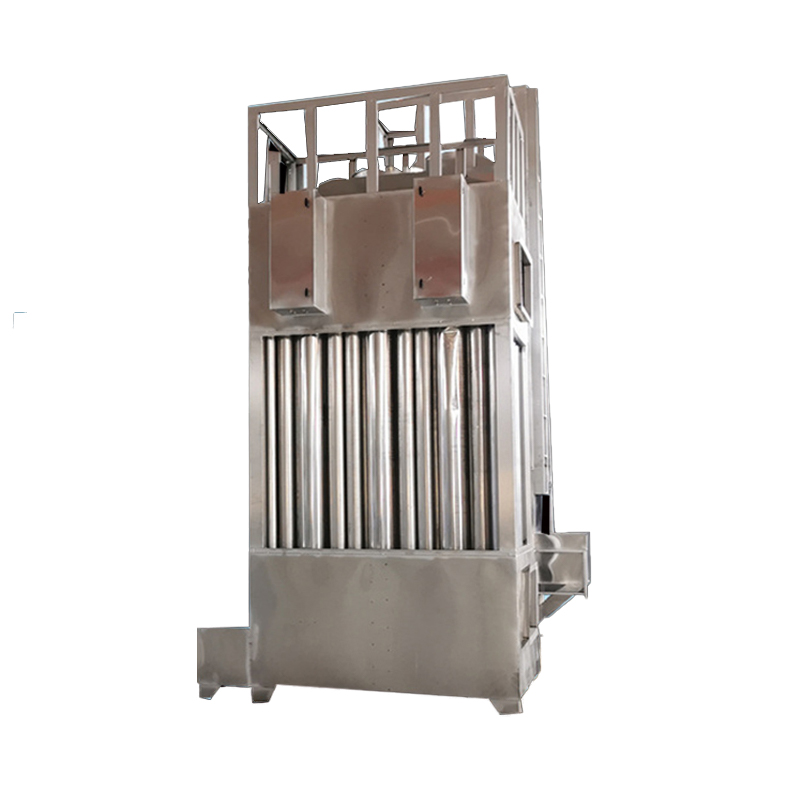
The process happens in a few clear steps:
Ionization: high-voltage discharge electrodes charge the particles as gas flows through.
Collection: charged particles migrate to grounded collection plates.
Washing: a water film carries the captured material to a drain or recycle loop.
Recovery: the collected slurry is dewatered or treated.
Because water does the cleaning, wet ESP systems run continuously with minimal downtime and no mechanical rapping. They are especially effective for:
Sulfuric acid mist and sulfur trioxide.
Sub-micron particulates from combustion.
Ammonium salt aerosols downstream of SCR systems.
Mercury-laden flue gas condensate.
Industrial emission control usually comes down to choosing between a few proven technologies:
Dry ESP: high efficiency on dry dust, but it struggles with sticky, moist, or corrosive material.
Wet scrubber: removes acid gases and some particles by washing the gas with liquid, yet is limited for sub-micron solids.
Wet electrostatic precipitator: combines charging with water washing to capture fine particulate, mist, and aerosols that other systems miss.
For many plants, the answer is a combination—a wet scrubber for gas absorption followed by a wet ESP system for fine particulate collection. Together, they handle the full range of emissions in one treatment train.
Coal, biomass, and waste-to-energy plants produce sub-micron ash and acid mist. A wet ESP system polishes the flue gas after the scrubber to meet the tightest particulate limits.
Phosphoric acid and fertilizer processes generate corrosive mist. Wet ESP technology captures it reliably because the water-washed surface resists fouling and corrosion.
Kiln off-gases can carry fine, sticky dust. A wet electrostatic precipitator handles the moisture and avoids the rapping re-entrainment of dry units.
Sintering, melting, and acid pickling release fine fume and acid aerosol. Wet ESP systems clean the exhaust so metals plants stay in compliance
When specifying a wet electrostatic precipitator, start with the process data:
Gas flow rate and temperature.
Pollutant composition and concentration.
Particulate size distribution.
Moisture content and acid dew point.
Required outlet emissions.
These inputs determine the collection area, power supply sizing, and materials of construction. Corrosion resistance matters especially in wet service—stainless steel or conductive plastics are common choices. You should also plan for:
Collection area and gas velocity (specific collection area).
Water treatment and a recycle loop.
Cleaning and maintenance access.
Integration with existing scrubbers or baghouses.
A wet electrostatic precipitator is a continuous-duty machine, and a few operating habits keep it reliable for years:
Monitor water quality: hard or fouled water deposits scale on the electrodes, so a recycle loop with filtration is worth the investment.
Keep the power supply clean: insulators and high-voltage components need periodic inspection to avoid sparkover and efficiency loss.
Watch pressure drop and outlet emissions: rising pressure drop or a visible plume signals a problem before it becomes a permit violation.
Schedule electrode inspection: a short planned stop beats an unplanned one during your production season.
The good news is that the water-washed design removes the biggest dry-ESP maintenance headache—cleaning the collection plates. With the right routine, a wet ESP system runs at peak efficiency between major overhauls.
For OEMs and plant operators, sourcing emission control equipment from China is now a mainstream strategy. Senotay has manufactured industrial dust collectors, air filtration, and purification equipment since 2005, running ISO 9001, 14001, and 45001 certified systems. Working with such a partner gives you:
Engineered-to-order design based on your process data.
Certified quality and fully documented processes.
Competitive pricing without cutting corners.
After-sales support, spares, and installation guidance.
A wet electrostatic precipitator (wet ESP, or WESP) is an emission control device that charges fine particles and collects them on surfaces continuously washed by a water film, capturing sub-micron particulate, mist, and aerosols.
A dry ESP cleans its collection plates by rapping; a wet ESP washes them with water. The water film lets wet ESP systems handle sticky, corrosive, or moisture-saturated gas without re-entrainment.
Yes. Wet ESP technology is specifically effective for sub-micron and ultra-fine particulate, including acid mist and salt aerosols, often with removal efficiency above 99%.
No. A wet scrubber removes acid gases and some particles by contacting the gas with liquid. A wet electrostatic precipitator uses electrical charging and a water-washed collection surface, and is far better at fine particulate collection.
Ask for sizing based on your process data, proven installations in your industry, certified quality management such as ISO 9001, and support for commissioning, spares, and maintenance. Senotay provides engineered wet ESP systems with all of these.