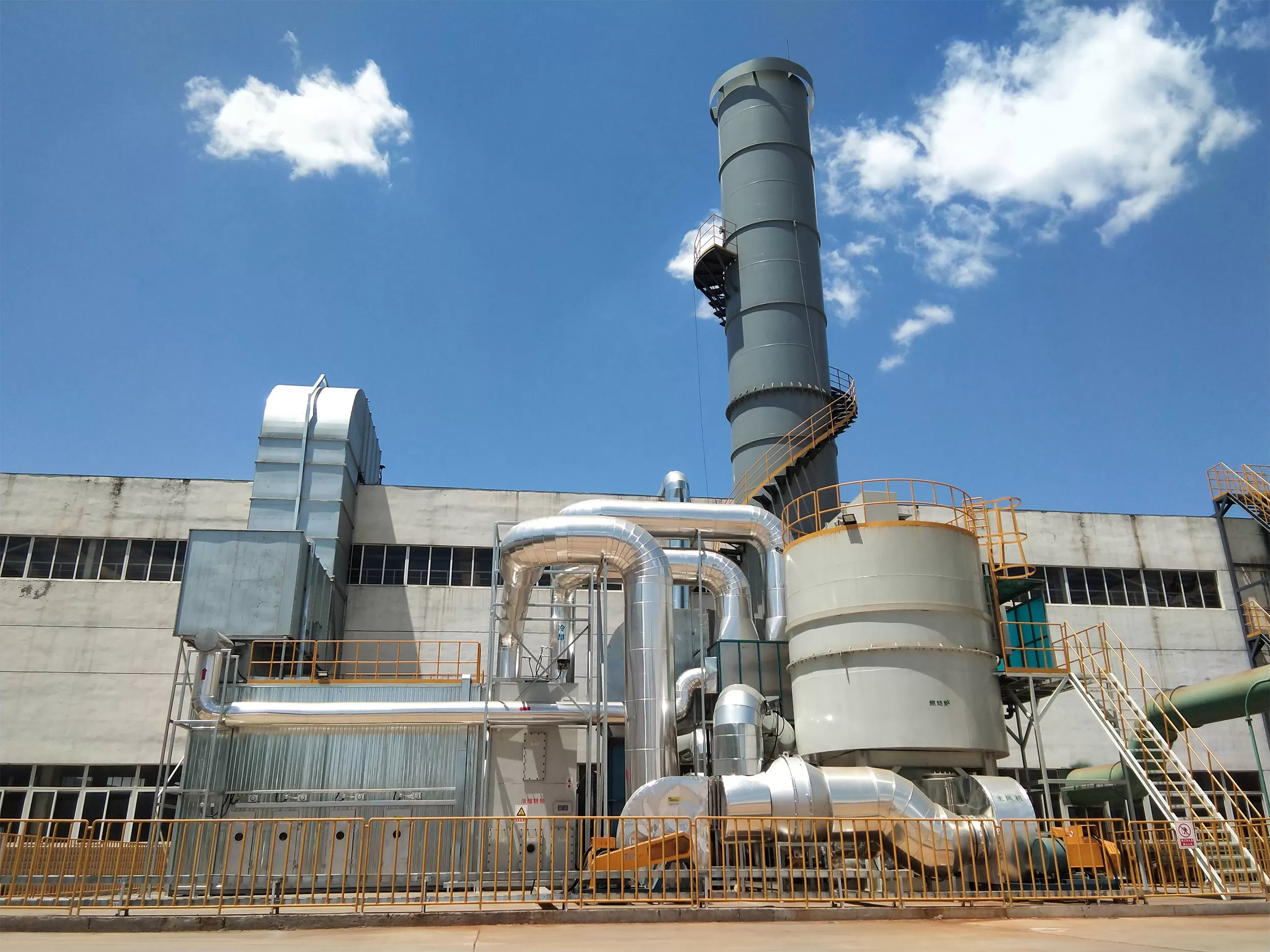
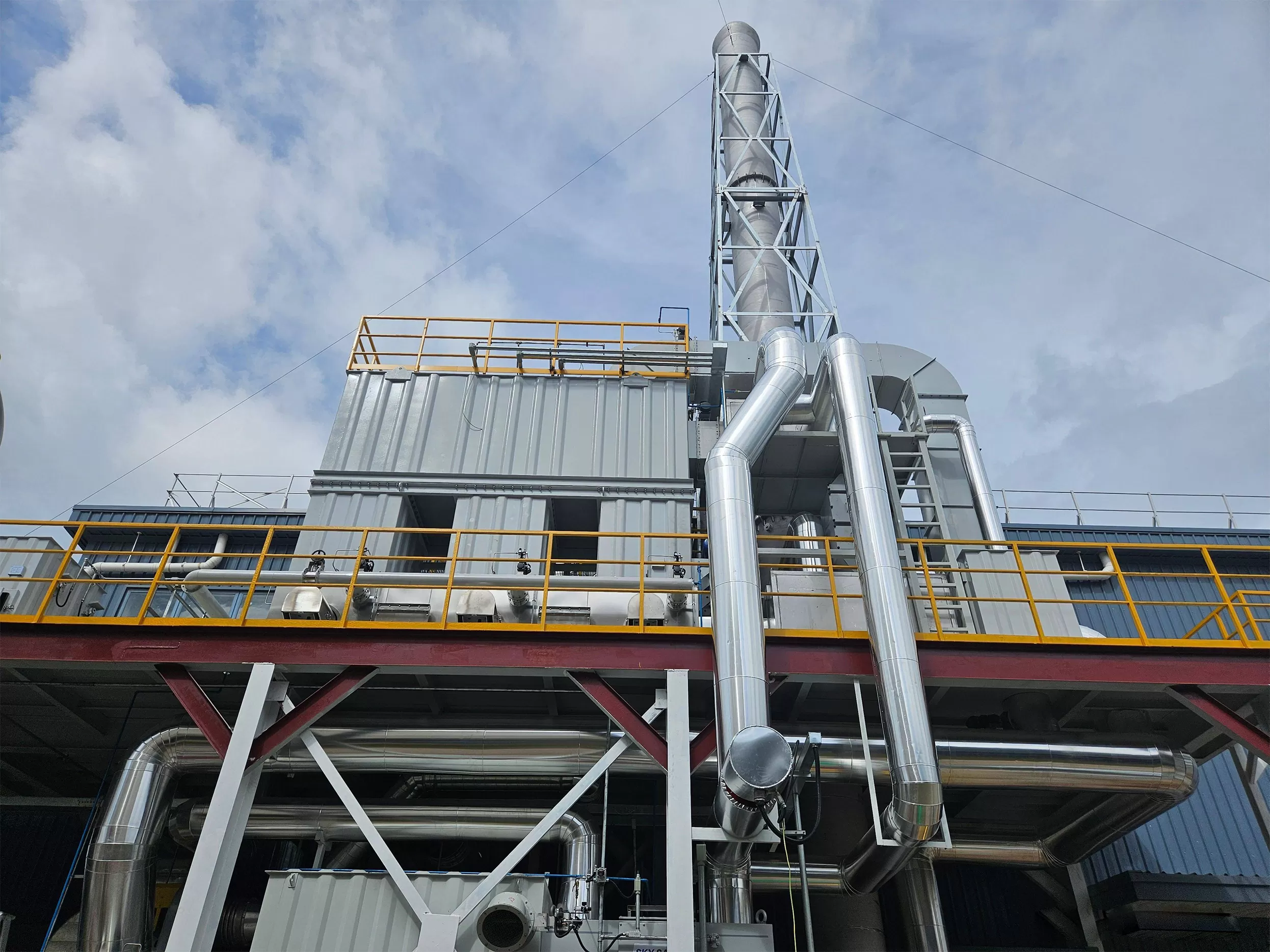
What is VOC Purifier: Specialized Air Detoxification
A VOC purifier is a specialized type of air purification system designed specifically to remove Volatile Organic Compounds (VOCs) from indoor air. These are gaseous chemicals that evaporate at room temperature from sources like paints, cleaning products, adhesives, furniture, and building materials.
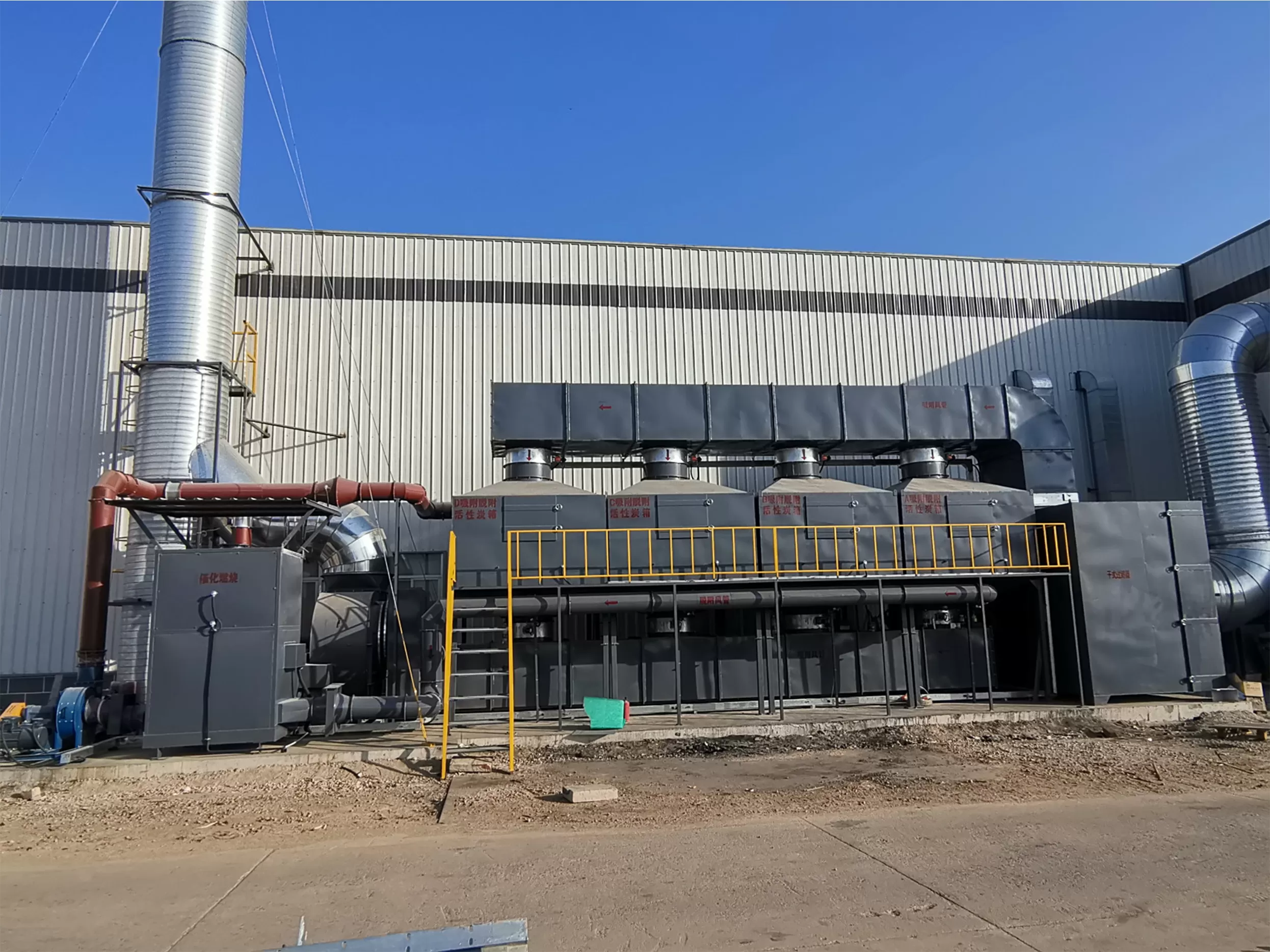
Unlike standard air purifiers that mainly target particles, VOC purifiers use advanced technologies like activated carbon filters, photocatalytic oxidation, or other specialized media to adsorb or break down these harmful gases at a molecular level.
What Is a Regenerative Thermal Oxidizer (RTO)?
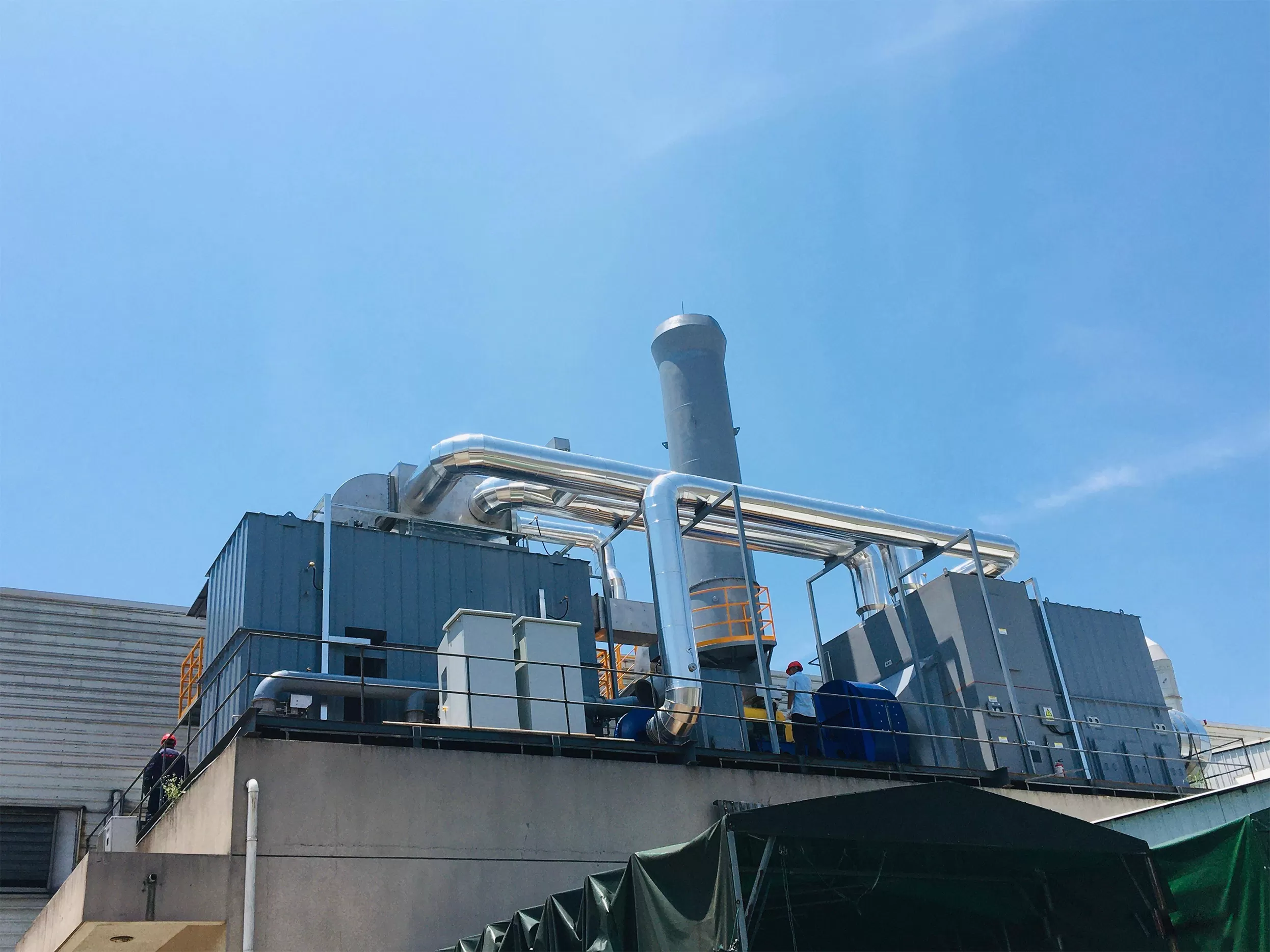
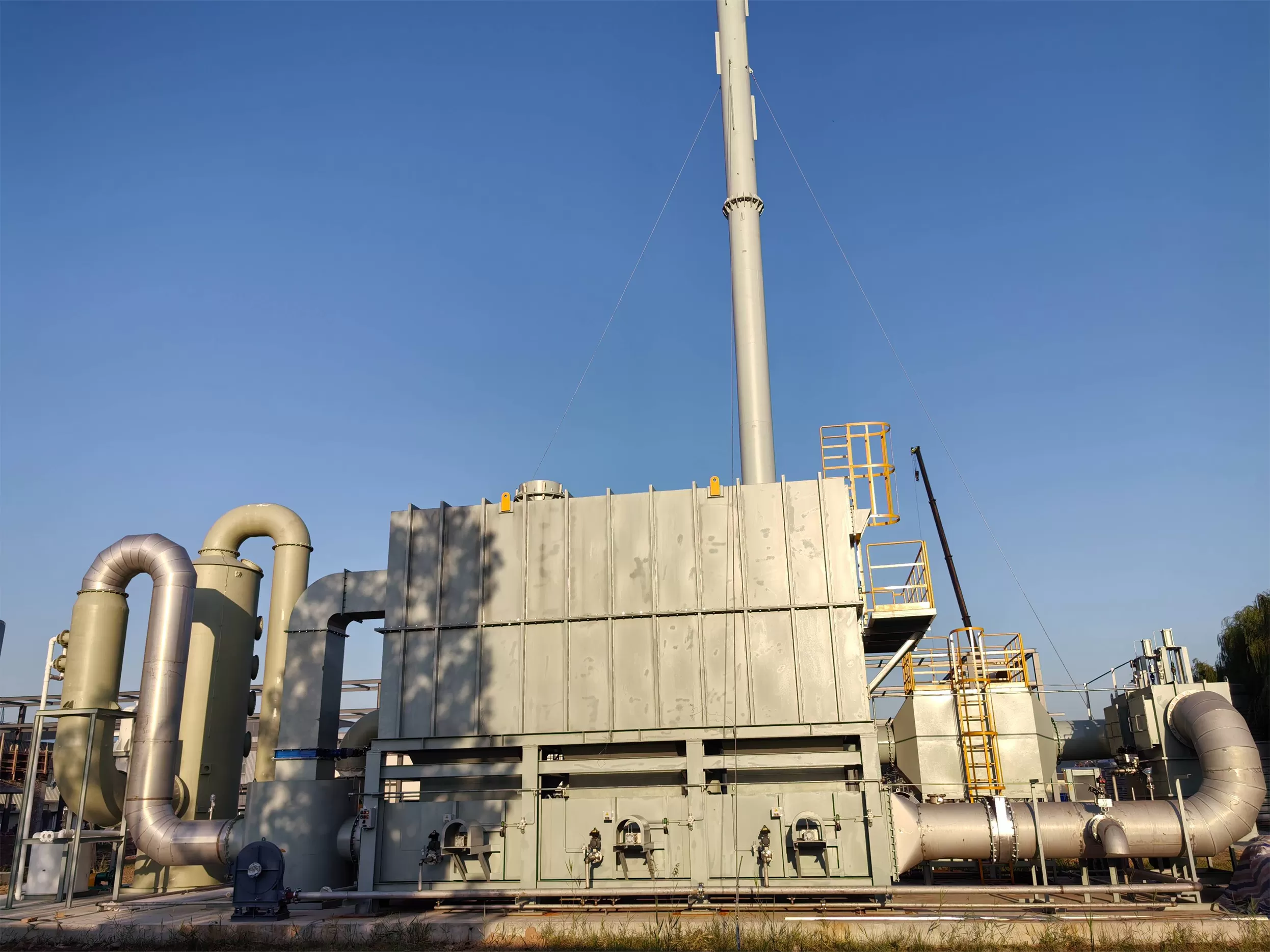
A Regenerative Thermal Oxidizer (RTO) is an advanced air pollution control system designed to treat exhaust gases containing volatile organic compounds (VOCs), hydrocarbons, and odorous emissions. The system uses high-temperature oxidation to convert harmful pollutants into harmless carbon dioxide (CO₂) and water vapor (H₂O).
HEBEIOUTAI Environmental Protection Equipment Co., Ltd. (Senotay) which is a leading RTO manufacturer and supplier in China, offering energy-efficient, durable, and customizable RTO systems for industries requiring effective VOC abatement and industrial odor control.
Types of Regenerative Thermal Oxidizer Systems
Type No. | Airflow Capacity (Nm³/h) | Temperature Range (°C) | Destruction Efficiency (%) | Heat Recovery Rate (%) | Fuel Type | Typical Application |
RTO-1000 | 1,000 | 780 | 98 | 90 | LPG | Small Coating Booth |
RTO-3000 | 3,000 | 800 | 99 | 93 | Natural Gas | Printing Industry |
RTO-5000 | 5,000 | 850 | 99 | 94 | Diesel | Paint Shop |
RTO-8000 | 8,000 | 820 | 99 | 95 | Gas / Electric | Chemical Plant |
RTO-10000 | 10,000 | 870 | 99.5 | 96 | Natural Gas | Pharma Manufacturing |
RTO-15000 | 15,000 | 860 | 99.5 | 94 | Diesel | Petrochemical |
RTO-20000 | 20,000 | 880 | 99.6 | 96 | Gas | Electronics |
RTO-25000 | 25,000 | 890 | 99.7 | 95 | Steam + Gas | Auto Painting Lines |
RTO-35000 | 35,000 | 860 | 99.7 | 95 | Electricity + Gas | Textile Printing |
RTO-50000 | 50,000 | 900 | 99.8 | 95 | Natural Gas | Large Industrial Facilities |
Why Regenerative Thermal Oxidizer?
A Regenerative Thermal Oxidizer system is a proven solution for industries that need to meet strict environmental regulations while maximizing energy efficiency. Instead of releasing VOCs into the atmosphere, the RTO captures and oxidizes pollutants at 750–900°C that achieving destruction efficiency up to 99%.
Key benefits include:
High VOC removal rate: Up to 99% purification efficiency.
Energy recovery: Up to 95% heat exchange efficiency reduces fuel demand.
Low operating cost: Uses self-generated heat during operation.
Eco-compliance: Meets EPA, ISO, and CE environmental standards.
Reliable operation: Long service life and automated control mechanisms.
Regenerative Thermal Oxidizer (RTO) — Technical Specification Table
Physical Dimensions | Performance Ratings | Material & Construction | Operational Data | Certifications & Lifecycle |
Model Capacity: 5,000–150,000 m³/h | 95–99.8% | Q235 / SS304 / SS316L | −2,500 to +1,800 Pa | 10–18 years |
Length: 4,200–18,000 mm | 85–97% | Ceramic Honeycomb / Saddles | 60–700 kW | 12–24 months |
Width: 2,800–11,000 mm | 760–820 °C | 500–650 kg/m³ | ±15 °C | ISO 9001 / CE / EN 14181 |
Height: 5,000–16,500 mm | 980 °C | 120–200 mm | 950–2,200 Pa | GB 31572 / GB 16297 |
Inlet Flange Size: DN300–DN2000 | ≤ 75 dB(A) | Ceramic Fiber Board | 11–250 kW | 18,000–30,000 h |
Outlet Flange Size: DN350–DN2000 | ≤ 0.1–0.2% | Epoxy 120 μm + PU 150 μm | NG / LPG / Diesel | ≥ 700,000 cycles |
Flange BCD: 400–2,200 mm | 35–50 min | Graphite / Ceramic Fiber | PLC + HMI + Remote I/O | IP55 / IP65 |
Weight: 7,500–65,000 kg | < 20 mg/m³ | SS304 / SS316 | 4–12 points | C3–C5 Industrial |
Product Description
The Senotay Regenerative Thermal Oxidizer (RTO) consists of thermal combustion chambers, ceramic heat recovery media, and a fully automatic control system. It is designed to handle large airflow capacity and fluctuating VOC concentrations, making it a flexible choice for a range of industrial applications.
With a modular design and corrosion-resistant materials, the RTO is engineered for long-term operation and optimal thermal performance.
Core Components
Component | Function |
Heat Exchange Beds | Store recovered heat energy and preheat the polluted gases. |
Combustion Chamber | Oxidizes VOCs and HAPs at high temperatures. |
Ceramic Media | High-efficiency regenerative material for thermal energy recovery. |
Control Valves | Direct airflow during heat recovery and oxidation cycles. |
PLC Control System | Automatic operation with safety alarms and temperature control. |
Fans & Ducting | Maintain consistent airflow and pressure balance. |
Exhaust Stack | Safely discharges purified air into the atmosphere. |
Regenerative Thermal Oxidizer Installation Method
Site Evaluation: Analyze exhaust characteristics, airflow, and installation conditions.
Foundation Preparation: Ensure a stable, level base resistant to vibration.
Equipment Layout: Position RTO chambers, fans, and control panels strategically.
Duct Connection: Install inlet and outlet ducts with thermal insulation.
Systems Integration: Link burner systems and control panels for coordinated operation.
Testing & Commissioning: Validate heat recovery rate, air leakage, and efficiency.
Industrial Application of Regenerative Thermal Oxidizer
RTOs are applied across industries with organic emissions and odor challenges, including:
Paint & Coating Factories.
Automotive Manufacturing.
Chemical & Petrochemical Plants.
Printing & Packaging Lines.
Pharmaceutical Production.
Textile Finishing & Plastic Processing Industries.
How It Works — Working Mechanism
Polluted air enters through the inlet fan.
It passes through ceramic heat exchange beds, where it is preheated.
The preheated gases enter the combustion chamber, reaching 750–900°C.
VOCs are oxidized into CO₂ and H₂O through thermal combustion.
The clean, hot exhaust air flows through an outlet bed, transferring heat back to the system.
The RTO continues this cycle, achieving energy regeneration and continuous purification.
Technical Advantages in Manufacturing Regenerative Thermal Oxidizer at Senotay
Energy-Saving Innovation: Up to 95% heat recovery efficiency.
Smart Control: PLC automation with real-time data monitoring.
Durability: High-temperature corrosion-resistant materials extend lifespan.
Custom Design: Tailored configurations for different airflows and VOC concentrations.
Global Standards Compliance: Certified by ISO, CE, and EPA.
Professional Engineering Team: 15+ years of experience in RTO design and installation.
Applications
VOC removal in chemical, coating, painting, and printing industries.
Treatment of industrial exhaust gas in petrochemical and packaging facilities.
Odor control applications in food, pharmaceutical, and textile plants.
Air quality improvement for green manufacturing and environmental protection.
▪ Industrial Blower Series
▪ Y5-47 Industrial Blower | 4-72 Industrial Blower | 4-68 Industrial Blower | 9-19 Industrial Blower | 9-26 Industrial Blower
▪ Cycloid Reducer Series
▪ Horizontal Cycloid Reducer | Cycloid Vertical Reducer | Bipolar Cycloid Reducer XWE
▪ XLED Type Cycloid Reducer | XW Type Cycloid Reducer | Planetary Cycloid Reducer
▪ VOC Purifier Series
▪ Oil Fume Purifier | UV Light Oxygen Purifier | Activated Carbon Adsorption Box | Cyclone Mixing Spray Tower
▪ Cyclone Mixing Spray Tower | Regenerative Catalytic Oxidizer | Regenerative Thermal Oxidizer | Catalytic Oxidizer | Thermal Oxidizer
FAQs
Q1. What is the destruction efficiency of Senotay’s RTO system?
answers: Our RTO systems achieve up to 99% VOC destruction and up to 95% energy recovery.
Q2. What maintenance does an RTO require?
answers: Only regular inspection of ceramic media, valves, and burner systems; overall maintenance is minimal.
Q3. Can RTO handle varying airflow conditions?
answers: Yes. Senotay’s RTO is engineered with variable flow adaptation and intelligent airflow balancing.
Q4. How does Senotay’s RTO differ from others?
answers: Our RTO systems combine customized design, smart automation, and ISO-certified quality control, ensuring top-tier performance.
Q5. Do you provide installation and after-sales service?
answers: Absolutely. Senotay provides complete RTO installation, commissioning, and technical support globally.