The Air Purifier: Your Breath of Fresh Air
An air purifier is a smart device that continuously cleans the air in your room. It works by pulling in airborne pollutants—like dust, pollen, pet dander, smoke, and odors—and trapping them in advanced filters. The result is freshly purified air that's healthier to breathe, creating a cleaner, more comfortable living environment for you and your family.
What Is a Catalytic Oxidizer?
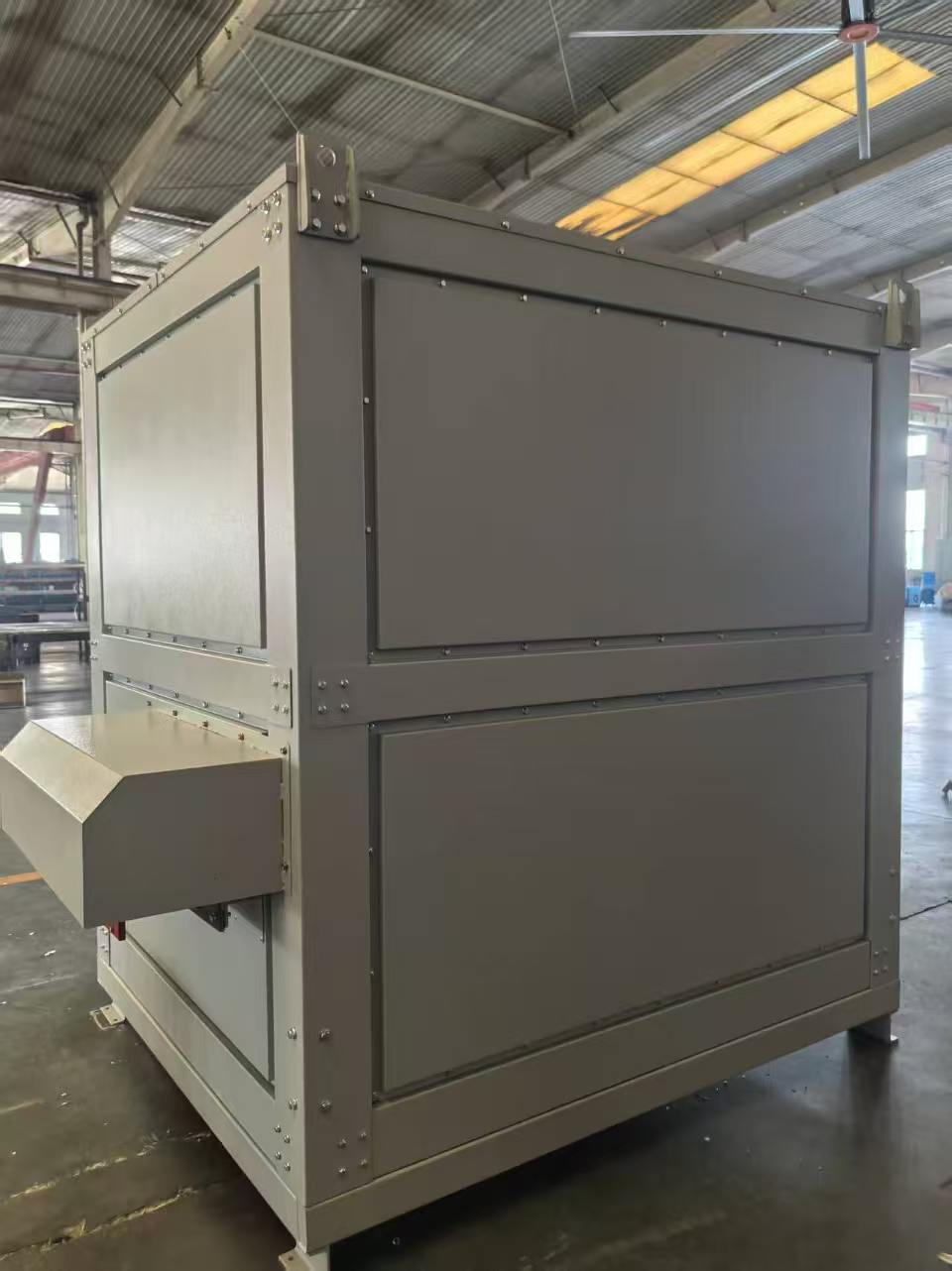
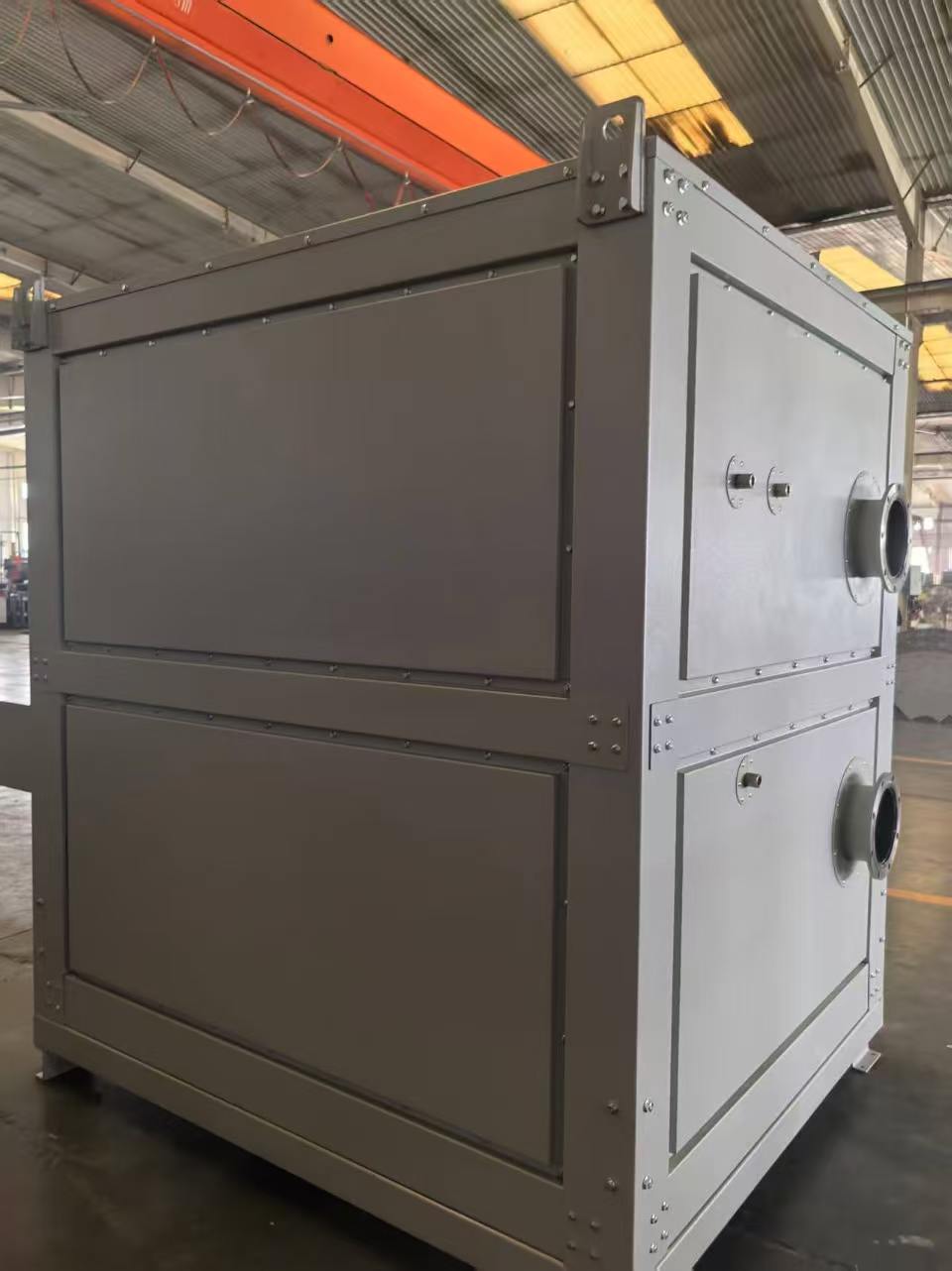
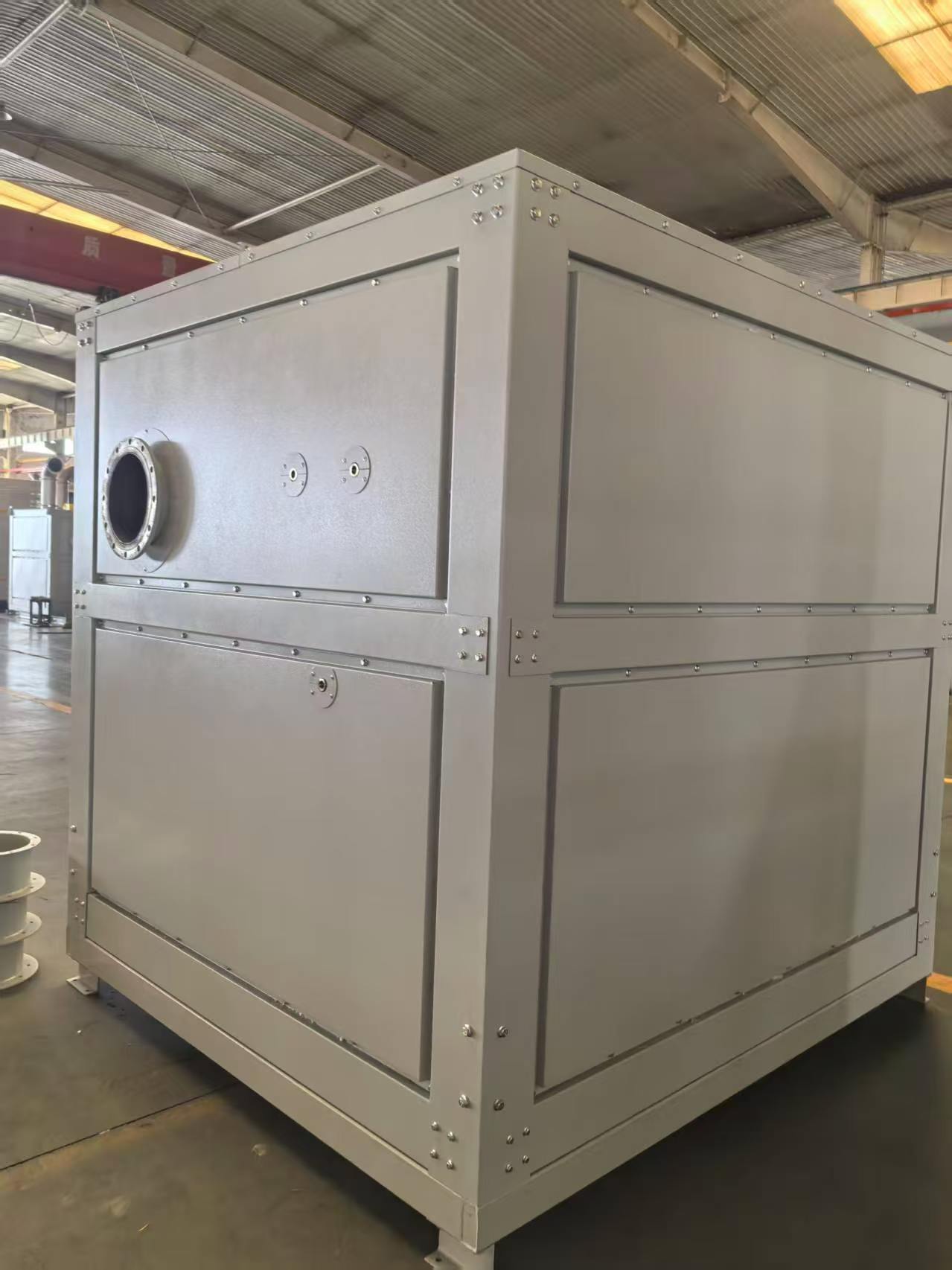
A Catalytic Oxidizer which also known as a Catalytic Incinerator or VOC Oxidizer there is an advanced air pollution control system designed to destroy volatile organic compounds (VOCs), hazardous air pollutants (HAPs), and industrial odors. Unlike thermal oxidizers that rely solely on high temperatures, a catalytic oxidizer uses a catalyst to promote oxidation at much lower temperatures (250–400°C). This significantly reduces fuel consumption and lowers operational costs.
As a trusted catalytic oxidizer manufacturer and leading Air Pollution Control System supplier in China, Senotay provides energy-efficient VOC abatement solutions for medium to high VOC concentration industries.
Why Choose the SENOTAY Catalytic Oxidizer
The Catalytic Oxidizer destroys VOCs and hazardous air pollutants by passing preheated exhaust through a precious metal or metal oxide catalyst bed at 250 to 400 degrees Celsius, using a standard heat exchanger rather than the regenerative ceramic bed system Senotay's RCO line uses, which keeps equipment cost and footprint lower for facilities that don't need the RCO's higher heat recovery. It reaches 95 to 99 percent VOC destruction across ten model sizes handling 3,000 to over 40,000 cubic meters per hour, with heat recovery efficiency between 70 and 85 percent depending on model. Printing and electronics manufacturers choose this simpler configuration over the RCO specifically for medium-concentration, stable VOC streams where the RCO's additional heat recovery capacity would be more equipment than the application needs. Furniture and resin production facilities rely on the same catalyst bed to keep operating temperature well below what a thermal-only oxidizer would require. Hebei OuTai Environmental Protection Equipment Co Ltd manufactures the CO Series in Hebei, China, with catalyst type, heat exchanger sizing, and airflow capacity matched to the VOC concentration and required destruction rate.
Why Leading Plants Choose SENOTAY Catalyic Oxidizer
Factory-Direct Pricing. Certified Quality. Dedicated Support.
Best Price Guarantee
Certified & Compliant
Fast, Reliable Delivery
Types of Catalytic Oxidizers – Specification Analysis Table
Type No. | Airflow (m³/h) | Operating Temp (°C) | Catalyst Type | Heat Recovery | Fuel Type | Typical Use |
CO-100 | 3,000 | 300 | Noble Metal | 70% | NG | Printing |
CO-150 | 5,000 | 320 | Noble Metal | 75% | NG/LPG | Electronics |
CO-200 | 8,000 | 350 | Metal Oxide | 80% | NG | Coating |
CO-300 | 10,000 | 280 | Noble Metal | 78% | NG | Packaging |
CO-400 | 12,000 | 330 | Metal Oxide | 82% | LPG | Resin |
CO-500 | 15,000 | 350 | Noble Metal | 85% | NG | Furniture |
CO-600 | 20,000 | 330 | Metal Oxide | 80% | Diesel/NG | Chemical |
CO-700 | 25,000 | 340 | Noble Metal | 82% | NG | Pharmaceutical |
CO-800 | 30,000 | 360 | Noble Metal | 85% | NG | Automative Paint |
CO-1000 | 40,000+ | 300–380 | Mixed Catalyst | 85% | NG/LPG | Large Industrial |
|
|
|
|
|
|
|
Product Description
Senotay’s Catalytic Oxidizer system is engineered for:
Low-temperature VOC oxidation.
High destruction efficiency.
Durable catalyst performance.
Stable long-term operation.
Energy-optimized airflow design.
Compliance with global air emission standards.
This system is suitable for continuous or batch-style production environments with medium concentration VOCs and stable exhaust compositions.
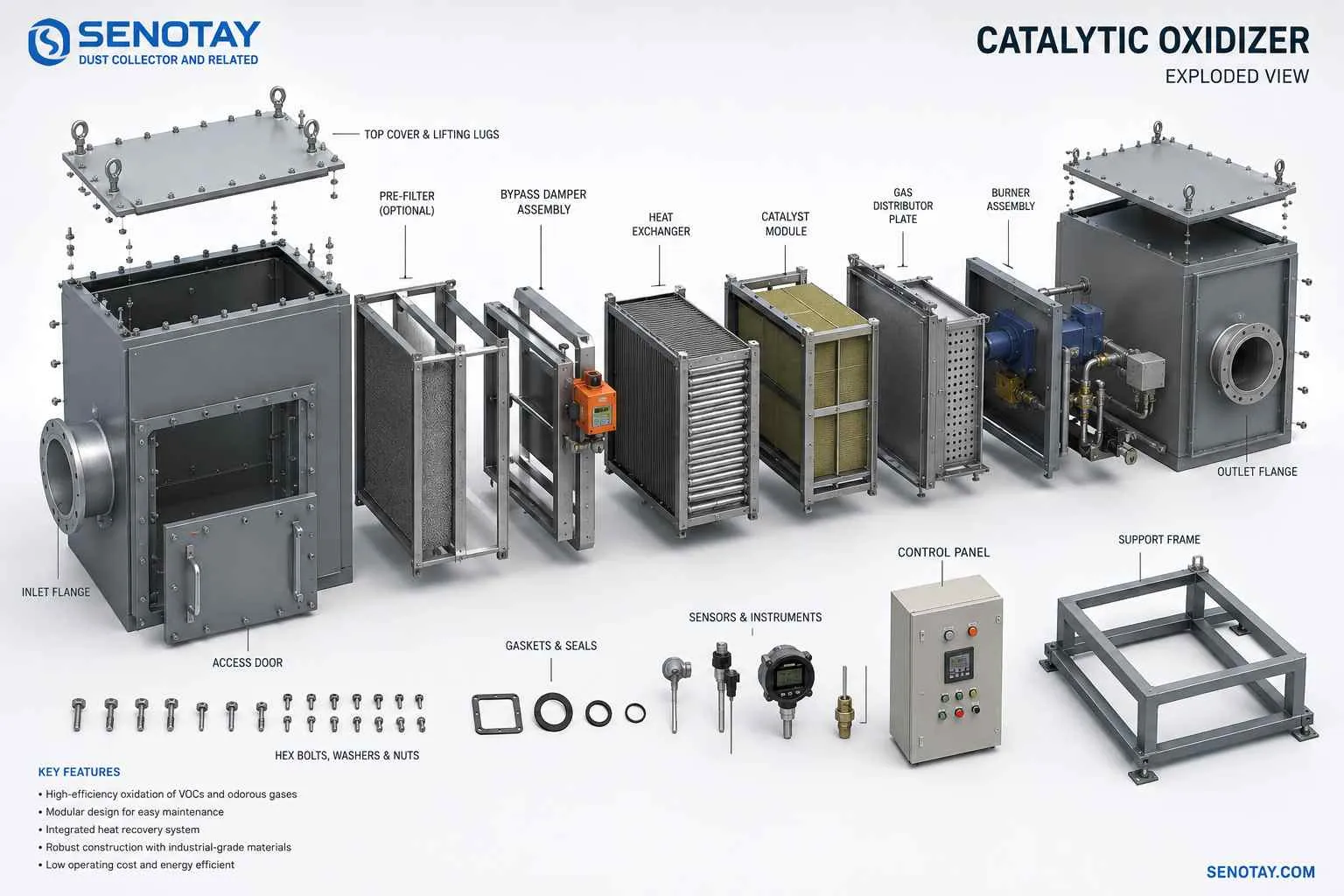
Catalytic Oxidizer — Technical Specification Table
Physical Dimensions | Performance Ratings | Material & Construction | Operational Data | Certifications & Lifecycle |
Model Airflow Capacity: 3,000–120,000 m³/h | 95–99.5% | SS304 / SS316L / Q235 + Coating | −1,800 to +1,200 Pa | 10–15 years |
Length: 3,500–15,000 mm | 250–400 °C | Pt / Pd / Mn–Cu Oxide | 20–350 kW | 12,000–25,000 h |
Width: 2,200–8,500 mm | 550 °C | 80–160 mm | Natural Gas / LPG / Diesel | 4,000–6,000 h |
Height: 2,800–9,000 mm | 65–85% | Carbon Steel / SS304 | 20–220 °C | ISO 9001 / CE / EN 14181 |
Inlet Flange Size: DN250–DN1600 | ≤ 0.1% | Ceramic Honeycomb (400–600 CPSI) | 650–1,700 Pa | GB 31572 / GB 37822 |
Outlet Flange Size: DN300–DN1800 | 20–35 min | Epoxy 120 μm + Polyurethane 150 μm | 7.5–200 kW | IP55 / IP65 |
Flange BCD: 300–1,900 mm | ≤ 75 dB(A) | Ceramic Fiber / Graphite | PLC + HMI Touch Panel | ≥ 600,000 cycles |
Total Weight: 4,500–42,000 kg | < 20 mg/m³ | SS304 / SS316L | 4–10 points | C3–C5 Industrial |
How Does a Catalytic Oxidizer Work? (Working Mechanism)
VOC-laden air enters the preheat chamber, where it is heated using a burner.
The preheated air passes through the catalyst bed, where oxidation occurs at lower temperatures.
Catalysts accelerate chemical reactions, converting VOCs into CO₂, H₂O, and harmless gases.
Heat from treated air is recovered through a heat exchanger, reducing the fuel demand.
Clean, treated air is discharged safely to the atmosphere.
This catalytic reaction achieves highly efficient oxidation without excessive energy consumption.
Core Components
A complete Catalytic Oxidizer Air Pollution Control System includes:
Inlet Air System / Blower.
Preheat Heat Exchanger.
Catalyst Reaction Chamber.
Burner & Combustion Controls.
Catalyst Bed Modules (precious metal or metal oxide).
Exhaust Stack.
Insulation Layer.
PLC Automatic Control Unit.
Safety Interlock Valves.
Catalytic Oxidizer Material Properties
High-temperature stainless steel for chamber construction.
Thermal insulation cotton (aluminum-silicate).
Ceramic or metallic catalyst substrates.
Anti-corrosion coatings for long-term durability.
High-efficiency heat exchanger alloys..
Standard Physical & Mechanical Properties
Property | Standard Value |
Operating Temperature | 250–400°C |
VOC Removal Efficiency | 95–99% |
Pressure Drop | Low to moderate |
Catalyst Type | Precious Metal / Metal Oxide |
Heat Recovery Efficiency | ≥70–85% |
Structural Material | SS304 / SS316 |
Fuel Required | NG / LPG / Diesel / Electric |
Applications
Senotay Catalytic Oxidizer is widely used in:
VOC purification.
Industrial odor control.
Solvent-based manufacturing.
Large-scale coating and painting..
Electronics and PCB plants.
Adhesive and resin production.
Packaging and printing factories.
Chemical & Pharmaceutical industries.
▪ Industrial Blower Series
▪ Y5-47 Industrial Blower | 4-72 Industrial Blower | 4-68 Industrial Blower | 9-19 Industrial Blower | 9-26 Industrial Blower
▪ Cycloid Reducer Series
▪ Horizontal Cycloid Reducer | Cycloid Vertical Reducer | Bipolar Cycloid Reducer XWE
▪ XLED Type Cycloid Reducer | XW Type Cycloid Reducer | Planetary Cycloid Reducer
▪ VOC Purifier Series
▪ Oil Fume Purifier | UV Light Oxygen Purifier | Activated Carbon Adsorption Box | Cyclone Mixing Spray Tower
▪ Cyclone Mixing Spray Tower | Regenerative Catalytic Oxidizer | Regenerative Thermal Oxidizer | Catalytic Oxidizer | Thermal Oxidizer
FAQs
1. What is the main advantage of a catalytic oxidizer?
Answers:Low operating temperature → lower fuel consumption and reduced operating cost.
2. How long does the catalyst last?
Answers:Typically 3–5 years, depending on VOC type and contaminants.
3. Can catalyst poisoning occur?
Answers:Yes. Silicones, sulfur, halogens, and heavy metals may reduce catalyst life.
4. What VOC levels can a catalytic oxidizer handle?
Answers:Medium-concentration, stable VOC exhaust streams.
5. Does Senotay provide custom catalytic oxidizers?
Answers:Yes—airflow, size, catalyst type, controls, and materials can be customized.
6. Is a catalytic oxidizer easier to maintain?
Answers:Maintenance is low, but periodic catalyst inspection is required.