
EN
What are you looking for?
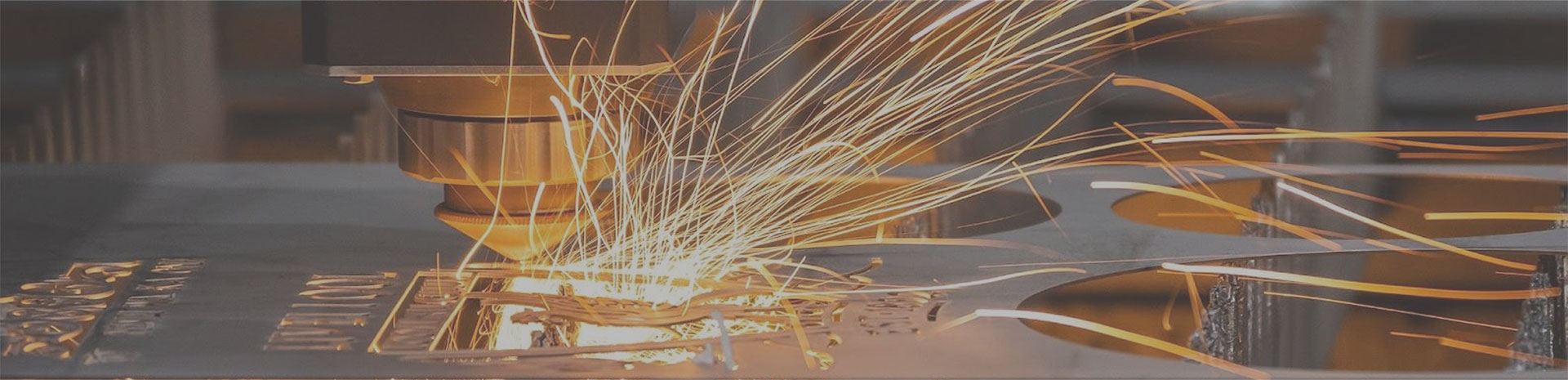
SENOTAY INDUSTRIAL DUST COLLECTOR PRODUCTION — BOTOU, HEBEI, CHINA
Senotay manufactures the full range of industrial dust removal equipment — from Pulse Jet Bag Filters and Electrostatic Precipitators to Cyclone Collectors, Wet Scrubbers, Cartridge Collectors, and VOC Purifiers — entirely within our own production facility in Botou, China. Every unit is custom-engineered, in-house fabricated, and pre-shipment tested before it leaves our factory.
PRODUCTION CREDENTIALS
15+ Years Manufacturing Experience | 99.9% Filtration Efficiency Achievable | 30+ Industries & Applications Served | Full In-House Design to Delivery |
OUR MANUFACTURING APPROACH
Dust collection equipment ranges enormously in quality — from lightweight, low-grade units that meet specification on paper but fail quickly in service, to properly engineered, robustly manufactured systems that operate reliably for 15–20 years with routine maintenance. The difference lies in how the equipment is designed, what materials are used, how it is welded and coated, and whether it is actually tested before it ships.
At Senotay, every dust collector we produce goes through a 10-stage production process that begins with engineering analysis of your specific process conditions and ends with a documented pre-shipment test record. We do not produce generic catalogue units. Every order is sized for the actual gas volume, temperature, dust type, and emission limit of the application it is destined for.
This page describes our full dust collector production range, the technical specifications we work to, the production process we follow, the industries we serve, and the reasons why customers across more than 30 industries on multiple continents choose Senotay equipment for their dust removal projects.
COMPLETE PRODUCTION RANGE
The table below summarises our full dust collector production range — covering equipment type, filtration technology, achievable efficiency, capacity, operating temperature, and the applications each product is best suited to.
Product | Type | Efficiency | Capacity Range | Max Temp | Best For | Variants |
Pulse Jet Bag Filter (Baghouse) | Fabric Filtration | Up to 99.9% | 1,000 – 500,000+ m³/h per unit | Ambient to 280°C+ (media dependent) | Most industrial dust types; continuous-process applications; strict emission limits | Standard, high-temperature, anti-static, long-bag, side-entry |
Electrostatic Precipitator (ESP) | Electrostatic Collection | Up to 99.9%; outlet <10 mg/m³ | Large volumes — 50,000 – 2,000,000 m³/h | Up to 350°C | Fine fly ash, cement kiln dust, high-volume power generation applications | Dry ESP, wet ESP, two-field and multi-field configurations |
Cyclone Dust Collector | Inertial Separation | 70–95% (particle size dependent) | 500 – 200,000 m³/h | Up to 450°C (carbon steel); higher with alloy construction | Pre-separation of coarse dust; reducing load on downstream bag filters; high-temperature applications | Single cyclone, multi-cyclone bank, reverse-flow, axial-flow |
Wet Dust Collector (Scrubber) | Wet Scrubbing | 85–99% (design dependent) | 500 – 100,000 m³/h | Up to 200°C inlet (gas cooled by scrubbing) | Spark-generating processes; sticky or hygroscopic dust; simultaneous gas absorption; explosive dust risk | Venturi scrubber, spray tower, packed bed, impingement scrubber |
Filter Cartridge Collector | Pleated Cartridge Filtration | Up to 99.9% with membrane cartridges | 500 – 50,000 m³/h | Up to 80°C standard; up to 200°C with specialist media | Fine dry dust; pharmaceuticals; food processing; woodworking; limited space installations | Standard, HEPA-grade, anti-static, stainless steel housing |
VOC Purifier / Thermal Oxidiser | Thermal / Catalytic Oxidation | VOC destruction >99% | 1,000 – 100,000 m³/h | Operating temperature 400–900°C (internal); inlet up to 150°C | Solvent vapours, VOC-laden exhaust from chemical, rubber, printing, and coating processes | Direct-fired thermal oxidiser, regenerative thermal oxidiser (RTO), catalytic oxidiser |
FLAGSHIP PRODUCT
The Pulse Jet Bag Filter is our most widely produced dust collector and the technology of choice for the majority of industrial dust removal applications. Its combination of very high filtration efficiency, continuous on-line cleaning, broad operating temperature range, and compatibility with almost any dry industrial dust makes it the standard solution for applications from cement and power generation to food processing and pharmaceuticals.
Every Pulse Bag Filter we produce is divided into three main structural sections, each fabricated and assembled in our dedicated production workshops:
• Upper clean-air plenum — houses the compressed air reservoir, pulse pipe manifolds, solenoid valve assembly, venturi nozzles, and clean gas outlet. Features a liftable or bolted top cover for bag installation and maintenance access. The pulse controller and wiring are housed in a weatherproof panel mounted on or adjacent to this section.
• Middle filter chamber — the primary filtration zone, containing the perforated tube sheet, filter bags and cages, and gas distribution baffles. Side-mounted access doors (hinged or bolted) allow internal inspection and bag replacement. Housing walls are fabricated from steel plate to thickness specified for the operating pressure and structural loads.
• Lower collection hopper — receives dislodged dust from the cleaning cycle. Hopper geometry is calculated to ensure free flow of the specific dust type — steep-sided for cohesive dusts, shallower for free-flowing materials. Fitted with discharge valve (rotary unloader, slide gate, or screw conveyor connection) and, where specified, hopper heaters or vibrators for difficult-discharging dusts.
Filter bags and bag cages are produced in a dedicated, controlled area of our facility, separate from metal fabrication. This separation prevents contamination of the filter media by welding fumes and metal particles — particularly important for pharmaceutical and food-grade applications. Filter bags are cut, sewn, and finished to precise dimensional tolerances. Each bag is inspected for seam integrity, correct dimensions, and fitting type before being packaged or assembled into the unit. Bag cages are formed from wire rod or perforated sheet, welded at intersections, and dimensionally checked before fitting.
The pulse-jet cleaning system is assembled and tested as a complete sub-assembly before integration into the finished unit. Solenoid valves are fitted to the compressed air manifold, wired to the pulse controller, and individually cycled at rated pressure to confirm correct operation of each valve. The pulse controller is programmed with the initial recommended settings for the specific unit configuration and dust type, and the settings are documented in the commissioning guide supplied with the equipment.
FROM ORDER TO DELIVERY
The following table maps every stage of our production process — from initial engineering review through to final packaging and despatch. Every stage has defined quality checkpoints. No unit proceeds to the next stage until the current stage has been signed off by the responsible production supervisor or QC inspector.
Step | Stage | What Happens |
01 | Engineering & Design | Customer process data reviewed; gas volume, temperature, dust type, and emission target analysed. Equipment type and size selected. General arrangement and foundation drawings produced. Custom specifications confirmed with customer before production begins. |
02 | Material Procurement & Incoming Inspection | Steel plate, sections, filter media, electrical components, and fasteners sourced from approved suppliers. All incoming materials inspected against specification before entering the production floor. Non-conforming materials rejected and returned. |
03 | Steel Fabrication | Housing panels, hoppers, inlet and outlet plenums, and structural frames cut to precise dimensions using CNC plasma and laser cutting equipment. Sheet metal formed to specified profiles using CNC press brakes. Dimensional checks at completion of each cut and formed component. |
04 | Welding & Assembly | Fabricated components assembled and welded by certified welders using MIG and TIG processes. All structural weld joints visually inspected. Pressure-bearing weld seams tested for airtight integrity. Housing assembled to confirm dimensional accuracy before surface treatment. |
05 | Surface Treatment | All steel surfaces shot-blasted to Sa 2.5 standard to remove mill scale and contaminants. Anti-rust primer applied immediately after blasting to prevent flash rusting. Powder coating or industrial paint applied in enclosed booth. Dry film thickness measured and recorded on every unit. |
06 | Filter Bag & Accessory Production | Filter bags cut, stitched, and finished in a dedicated controlled area separate from metal fabrication. Bag cages formed and welded. Pulse solenoid valve manifolds assembled and leak-tested. All accessories dimensionally checked against specification. |
07 | Electro-Mechanical Assembly | Control panel wired and tested. Pulse solenoid valves fitted to manifolds. Motor and blower assemblies installed. Rotary unloader or screw conveyor drive units fitted. All electrical connections checked for continuity and correct function. |
08 | Final Assembly & Quality Inspection | Complete unit assembled. Filter bags and cages installed. Access doors, explosion relief panels, and instrumentation fitted. Full QC inspection conducted against checklist. Non-conformances recorded and rectified before proceeding to testing. |
09 | Pre-Shipment Testing | Housing pressure-tested for air leakage. Pulse valve manifold cycled under rated compressed air pressure — each valve tested individually. Motor run-tested under load. Complete system functionally verified. Test records signed off by QC inspector. |
10 | Packaging & Despatch | Unit disassembled to shipping modules as required. Export-grade wooden crating and steel bracing applied. Moisture protection and desiccant packs fitted inside enclosed housings. All items labelled with component codes, handling instructions, and centre-of-gravity markings. Shipping documentation prepared. |
TECHNICAL REFERENCE
The table below summarises the key technical parameters of Senotay dust collection equipment. All values are achievable with correctly specified and properly installed equipment. Specific performance for your application will be confirmed in our technical proposal.
Parameter | Senotay Specification |
Filtration Efficiency | Up to 99.9% particulate capture on Pulse Bag Filters; <10 mg/m³ outlet achievable on optimised systems |
Operating Temperature | Ambient to 280°C+ continuous (filter bag media dependent); ESP units to 350°C+ |
Gas Volume Range | Single units from under 1,000 m³/h to 500,000 m³/h; parallel configurations for unlimited volume |
Inlet Dust Concentration | Designed for up to 50 g/m³ inlet; cyclone pre-separation recommended above 20 g/m³ |
Outlet Emission | Achievable outlet concentrations: <30 mg/m³ standard; <10 mg/m³ with membrane bags; <5 mg/m³ on high-efficiency ESP |
Housing Material | Standard: Q235B carbon steel. Optional: stainless steel 304/316L, weathering steel, or specialist alloys for corrosive environments |
Filter Bag Materials | Polyester (to 130°C), Nomex (to 200°C), PPS (to 190°C), Fibreglass (to 260°C), PTFE Membrane laminates; anti-static variants available |
Compressed Air Demand | 0.5–0.7 MPa clean dry air; typical consumption 0.1–0.3 m³/min per 1,000 m³/h filtered gas |
Cleaning System | Programmable pulse-jet controller; adjustable pulse duration (0.05–0.5 s) and interval (1–60 s per row); on-line cleaning during full operation |
Surface Treatment | Shot-blast Sa 2.5, anti-rust primer, powder coat or industrial enamel; dry film thickness recorded per unit |
Structural Design | Designed and fabricated to Chinese national standards; available with CE documentation for export markets on request |
Customisation | Non-standard dimensions, inlet/outlet configurations, integrated frames, explosion relief, special coatings — all available to order |
CUSTOM ENGINEERING CAPABILITY
A significant proportion of the dust collectors we produce are to non-standard or fully bespoke specifications. Our production capability is deliberately configured for flexibility — CNC cutting and forming equipment allows us to change dimensions without re-tooling, and our engineering team handles custom design as a routine part of project management, not as a special exception.
• Non-standard housing dimensions — width, depth, height, and bag count configured for specific site constraints or performance requirements
• Special inlet and outlet configurations — elevated inlets, side inlets, multi-inlet manifolds, low-profile outlet arrangements
• Stainless steel or alloy construction — for corrosive, hygroscopic, or high-purity applications in chemical, food, and pharmaceutical industries
• Explosion relief panels — designed and positioned to meet explosion protection requirements for combustible dust applications
• Integrated structural frames and walkways — for elevated installation or where the dust collector also supports associated ductwork or equipment
• Insulated and heat-traced housings — for applications where gas temperature must be maintained above the dew point throughout the system
• Divided filter chambers — allowing individual rows to be isolated for offline bag replacement without full system shutdown
• Special surface treatments — hot-dip galvanising, epoxy lining, or specialist coatings for aggressive outdoor or chemical environments
If your project requires something not listed above, contact our engineering team. We have designed and built dust collectors for some genuinely unusual applications — unusual inlet conditions, extreme temperatures, corrosive atmospheres, and highly constrained installation spaces. If it is physically possible to build, we can typically find a way to make it.
INDUSTRIES & APPLICATIONS
The dust collectors we produce are installed and operating across a wide range of industrial sectors. The table below lists the primary industries we serve, the equipment most commonly applied in each, and the key dust sources and application characteristics.
Industry | Primary Equipment | Key Dust Sources & Application Notes |
Coal & Power Generation | Pulse Bag Filter, ESP | Boiler flue gas, fly ash capture, emissions compliance for power stations and industrial boilers |
Cement & Building Materials | Pulse Bag Filter, Cyclone | Kiln exhaust, raw mill, cement grinding, clinker cooling — all major dust emission points |
Steel & Metallurgy | Pulse Bag Filter, ESP, Wet Collector | Blast furnace, electric arc furnace, sintering, casting — metallic fume and mixed oxide capture |
Mining & Quarrying | Pulse Bag Filter, Cyclone | Crushing, screening, conveyor transfer points, loading facilities |
Chemical Processing | Pulse Bag Filter (anti-static), Cartridge, VOC Purifier | Chemical powder, solvent vapour, corrosive and explosive dust streams |
Grain & Food Processing | Pulse Bag Filter (anti-static), Cartridge | Flour, grain, feed, sugar dust — combustible dust with food-grade finish requirements |
Pharmaceuticals | Cartridge Collector, VOC Purifier | API dust capture, GMP-compliant construction, solvent recovery |
Wood & Furniture | Pulse Bag Filter (anti-static), Cyclone | Sawdust, sanding dust, chip separation — combustible dust with explosion relief |
Asphalt & Road Construction | Pulse Bag Filter, Wet Collector | Asphalt plant drum dryer exhaust, aggregate drying, mineral dust |
Municipal Waste & Incineration | ESP, Pulse Bag Filter, VOC Purifier | Incinerator flue gas, fine particulate and dioxin control, heavy metal capture |
WHY CHOOSE SENOTAY
Why Senotay | What It Means for Your Project |
Full In-House Manufacturing | Every component of every unit — housing, bags, cages, valves, controls — is fabricated and assembled in our own Botou facility. No sub-contracting of critical production steps. Complete accountability for quality. |
Custom Engineering as Standard | We do not sell catalogue products. Every order is engineered to fit your specific process — gas volume, temperature, dust type, and emission target. Bespoke design at competitive pricing. |
15+ Years Sector Experience | Our engineers have designed and supplied dust collection systems for over 30 industries across multiple countries. That accumulated application knowledge is applied to every new project. |
Pre-Shipment Testing on Every Unit | No equipment leaves our factory untested. Pressure tests, valve cycling, motor run-tests, and full system functional verification are conducted and documented for every order. |
Long-Term After-Sales Support | Replacement filter bags, spare parts, technical advice, maintenance support, and system upgrade engineering are all available for the lifetime of the equipment — not just during the warranty period. |
Competitive Total Cost of Ownership | Correct sizing, durable construction, and efficient cleaning system design minimise energy consumption, bag replacement frequency, and maintenance costs over the life of the equipment. |
Export-Ready Capability | Full export documentation, appropriate packaging, flexible Incoterms, and international freight experience. We have shipped to customers worldwide and understand international procurement requirements. |
HOW TO ORDER
The process of getting from enquiry to confirmed order is straightforward. Share your process details with us and we will take it from there.
1. Share Your Data — Send us your basic process data — industry, dust type, gas volume (m³/h), inlet temperature (°C), and required outlet emission limit (mg/m³)
2. Preliminary Recommendation — Our engineering team reviews your data and responds with preliminary equipment recommendations — typically within 24–48 hours
3. Technical Quotation — We issue a formal technical and commercial quotation including equipment specification, dimensional drawings, lead time, and pricing
4. Specification Approval — You review and approve the specification — we can modify and reissue as needed before order confirmation
5. Order Confirmation — Order confirmed — production scheduled, milestone delivery dates issued, dedicated order manager assigned
6. Production & Updates — Production progresses through our 10-stage process — key milestone updates provided to customer
7. Despatch — Pre-shipment testing completed, documentation package compiled, equipment packed and despatched
For spare parts, filter bag replacements, and accessories, simply email or WhatsApp us with your equipment model number and the parts required. We will confirm availability and lead time within 24 hours.
OUR COMMITMENT
The dust collectors we produce are working assets for our customers — often running 24 hours a day, 365 days a year, in demanding industrial environments. We take that responsibility seriously. Our commitment does not end when the equipment leaves our factory. It extends through installation, commissioning, the full warranty period, and beyond — for as long as the equipment is in service.
"Every dust collector we manufacture carries the Senotay name. That name is our commitment to the customer that what they receive will perform as specified, last as long as it should, and be supported for as long as they need it."
— Senotay Engineering & Production Team
REQUEST A QUOTATION
Whether you are specifying a new installation, upgrading ageing equipment, or looking for a reliable source of replacement filter bags and spare parts — contact us now. Our engineering team responds to all project enquiries within 24–48 hours.
• Email: info@senotay.com
• Phone: +86-158-318-71808
• WhatsApp: +86-158-318-71808 / +8615831871808
• Address: Botou Industrial Development Zone, Cangzhou City, Hebei Province, China